It seems European investors followed this old market adage in May 2015, since equity funds faced outflows of €3.1 bn. But, even more noteworthy, the European mutual fund industry faced a slowdown in flows into long-term mutual funds. Those are two of the conclusions of Lipper’s latest monthly snapshot of European fund flow trends (data as at end May 2015).
«That said, the European mutual funds industry still enjoyed net inflows of €16.3 bn into these kinds of products for May, but the flow numbers stood far behind the numbers of the former months of the year. Opposite to April, the majority of the flows went into mixed-asset funds (+€18.9 bn), followed by bond funds (+€1.1 bn), property funds (+€0.6 bn), and commodity funds (+€0.4 bn). On the other side of the table, equity funds faced the highest outflows (-€3.1 bn) from long-term mutual funds, followed by alternative/hedge products (-€1.4 bn) and “other” products (-€0.4 bn)», point out Detlef Glow, Head of EMEA research, who wrote this report.
Key highlights below:
The European funds industry enjoyed net inflows of €16.3 bn into long-term mutual funds for May. Mixed-asset funds (+€18.9 bn) were the best selling asset class overall, followed by bond funds (+€1.1 bn). Meanwhile, equity funds faced net outflows (-€3.1 bn).
Money market products faced overall net outflows of €12.8 bn for May, split into inflows of €1.0 bn into enhanced money market funds and outflows of €13.7 bn from money market funds.
The single market with the highest net inflows for May was once again Italy (+€4.9 bn), followed by Switzerland (+€2.1 bn) and Germany (+€1.5 bn). Meanwhile, Spain (-€1.5 bn), Austria (-€0.4 bn), and Finland (-€.0.2 bn) stood on the other side.
Intesa SanPaolo, with net sales of €2.5 bn, was the best selling group of long-term funds for May, slightly ahead of BlackRock (+€2.5 bn) and Pioneer (+€2.0 bn).
The ten best selling funds gathered inflows of €6.3 bn, 38.98% of the overall inflows for May, showing that fund flows in Europe are highly concentrated.
«For bond funds inflows were driven by funds domiciled in Switzerland (+€1.8 bn), followed by funds domiciled in the international fund hubs (+€0.8 bn), Sweden (+€0.6 bn), France (+€0.5 bn), and Denmark (+€0.4 bn). On the other side Spain (-€1.8 bn) was once again the domicile with the highest net outflows from bond funds, bettered somewhat by funds domiciled in Germany (-€1.1 bn) and Austria (-€0.5 bn)», explained Glow.
Bob Doll / www.youtube.com. Así va la quiniela de Bob Doll para 2015: cuatro aciertos, cuatro interrogantes y dos predicciones incorrectas
A principios de este año Robert C. Doll, senior portfolio manager de renta variable en Nuveen Asset Management, aventuró que el 2015 sería el año en que los inversores transitarían de la incredulidad a la confianza, o del escepticismo al optimismo. Sir John Templeton acuñó la expresión de que los mercados alcistas nacen en el pesimismo, crecen en el escepticismo, maduran en el optimismo y mueren en la euforia. Nueveen cree que estamos entrando en la fase del “optimismo”.
A estas alturas del año, Doll afirma que el 2015 va en camino a ser otro año aceptable para la renta variable estadounidense a medida que experimentamos:
Un sólido impulso en el crecimiento económico estadounidense con baja inflación
Un repunte en los gastos de consumo basados en el crecimiento del empleo, la confianza y un efecto positivo sobre la riqueza
Un crecimiento sólido de los beneficios
Un estímulo de los bajos precios de las materias primas y los costos de financiamiento
Un contexto de liquidez aún favorable gracias a los estímulos de los bancos centrales no estadounidenses.
“Creemos que estas afirmaciones se mantienen esencialmente constantes, tal como se reflejara en las predicciones que hicimos al principio del año”. Estas son las pronósticos que Bob Doll hizo en enero y así han evolucionado:
El PIB de EE.UU. crece un 3% por primera vez desde 2005: Aunque todavía creemos que EE.UU. crecerá un 3% para el resto del año, el débil primer trimestre hará más difícil que el conjunto del año promedie esa cifra.
La inflación subyacente sigue contenida, pero el crecimiento de los salarios comienza a ser mayor: La inflación estadounidense parece estar tocando fondo a medida que va de niveles muy bajos a bajos.
La Reserva Federal sube las tasas de interés, ya que las tasas a corto plazo aumentan más que las de largo plazo: Tanto la rentabilidad de los bonos estadounidenses a corto como a largo plazo ha comenzado a subir, anticipándose a la subida de los tipos de interés de la FED, que esperamos empiece en septiembre.
El Banco Central Europeo instituye un programa de flexibilización cuantitativa a gran escala. Esto ocurrió en enero, y los efectos se están observando en Europa, donde el crecimiento está mejorando en cierta media.
Por primera vez desde 2006, EE.UU. contribuye más que China al crecimiento del PIB mundial.Como resultado de la mejoría del crecimiento EE.UU. y la desaceleración del crecimiento de China, esta predicción va por buen camino.
La renta variable estadounidense disfruta de otro buen año aunque volátil, a medida que las ganancias corporativas y el valor del dólar aumentan: Este es el séptimo año de mercado alcista en los Estados Unidos. El S&P 500 nunca ha aumentado durante siete años calendario consecutivos, sin embargo, esto es una posibilidad evidente en el 2015, aunque sea por una cifra modesta.
Los sectores de tecnología, salud y telecomunicaciones superan a los de servicios públicos, energía y materiales:Si estuviéramos calificando estas predicciones por su grado de precisión, ésta estaría encabezando la lista. Al cierre del mercado de la semana pasada, los sectores de EE.UU. que señalamos han subido a 6,6% para el año mientras que los otros tres han bajado un 3,7%.
Los precios del petróleo caen aún más antes de cerrar el año por encima de donde comenzaron:Los precios del petróleo cayeron a principios del año antes de experimentar una recuperación. Si el año terminara hoy, esta predicción sería acertada.
Los fondos de renta variable estadounidense muestran sus primeras suscripciones significativas desde 2004.Los flujos de los fondos de renta variable han sido negativos en lo que va de este año, ya que los inversores han estado retirándose de las acciones estadounidenses. Esperamos que la confianza de la inversión se recupere y que las entradas aumenten, pero es probable que quedemos en el lado equivocado de esta predicción.
Las nominaciones presidenciales republicanas y demócratas permanecen bien abiertas. La lista de candidatos republicanos es más larga de lo que prácticamente cualquiera haya previsto. Si bien Hillary Clinton sigue siendo la favorita en el partido demócrata, su candidatura no está libre de obstáculos.
Mirando hacia el futuro
Por todo esto, y a modo de resumen, Bob Doll explica: “Mientras que la renta variable estadounidense ya no es una ganga, creemos que ofrece más valor que otros activos financieros y debería superar a la liquidez, la renta fija, la inflación y a las materias primas. Aunque la renta variable probablemente siga avanzando, es previsible que el ritmo de ganancias sea más lento de lo que inversores experimentaron durante los primeros seis años de este mercado alcista. Creemos que es probable que la renta variable de EE.UU. logre promedios de rendimiento anuales alrededor de un solo dígito, en el rango de medio a alto. Dentro del mercado de renta variable estadounidense, preferimos valores recurrentes de ciclo medio, compañías que pueden generar flujos de caja libre positivos y aquellas con altos niveles de ganancias a nivel domestico”.
All market prices are as on 6/26/15 according to Morningstar Direct, Bloomberg and FactSet
UBS has confirmed that William Kennedy will succeed to Andreas Schlatter as global head of Distribution for its global asset management business after Reuters has revealed a UBS internal memo.
Kennedy will take up his new duties in mid-September and will be based in Zürich. He will report to Ulrich Koerner, president of UBS Global Asset Management.
“With his strong client focus, his thorough knowledge of products and his wide network across units, William Kennedy is the ideal candidate to lead the further transformation of our global distribution organisation,” said the memo which was reported by Reuters and signed by Koerner and UBS Wealth Management president Juerg Zeltner.
Prior to this, Kennedy was head of Investment Products and Services at UBS AG.
UBS Global Asset Management had €616bn in assets under management as at 31 March 2015.
Dagong Europe has published a commentary entitled Luxury Industry: Grow Big or Stay Niche – Upcoming Season Trends. The commentary gives an overview of the main trends and developments in the luxury industry, examining the drivers in its future development. It also considers the comparative positioning, strategies and market approaches of the main luxury players, focusing on the strengths and weaknesses of the changing Chinese market.
«The global luxury market grew +3.3% in 2014, the lowest since 2009, underpinned by the subdued European economy, the recent US recovery and changing consumer habits in the Asia-Pacific region”, says Richard Miratsky, Head of the Corporates Analytical Team.
«While the luxury sector is dominated, in terms of revenues, by the three major European brand-aggregators, the niche approach of smaller players has proven successful in the super-premium segment. Although very different, both strategies are effective in the current market conditions, if strong brand identity is supported by extraordinary customer experience, excellent service, effective media communication and wise geographic store location – the key drivers of success in luxury», concludes Mr Miratsky.
«Future developments in China’s rapidly slowing luxury market are a major concern for the main players. In 2014 luxury market revenues in China reached EUR 16.8Bn, up by 4.3% year-on-year” adds Marta Bevilacqua, Director of the Corporates Analytical Team. “European players will have to manage the Euro depreciation that is encouraging the Chinese habit of travel-for-luxury shopping and undermining the sector’s margins; and the anti-bribery campaign which has constrained the historically high volumes of absolute-luxury gift-giving”, concludes Ms Bevilacqua.
Dagong Europe expects the European majors to employ new strategies to refocus on personal luxury, relying not only on brands but on quality, and implementing new value propositions to encompass the affordable luxury segment.
Main findings:
Luxury sector to sustain mild growth in the medium term, despite the subdued world economy. Emerging markets, led by China, should support industry growth at lower-than-before averages, but volatile macro patterns and political interference poses significant uncertainties.
Although size carries weight in the luxury industry, smaller players can defend their niches. Large groups can build on their extensive knowledge and experience in creating and maintaining a strong multi-brand environment. Significant synergies and economies of scale in logistics, marketing, sales channel development and back-office functions can also be achieved. For smaller players, niche strategy has been effective only where product quality and brand perception have justified extra-premium prices.
Two crucial attributes emerging behind success in the luxury sector: the combining of history and innovation. Successful brands are able to blend the past, evoking the brand attributes and distinctive style, with new technologies, enhanced services, alternative retail channels and new customer experiences.
Although the mega-mergers of the past are unlikely to re-occur, we expect a substantial number of smaller deals in the coming years. The luxury sector is quite fertile ground in terms of deals and M&A transactions, with the majority of deals closed in Europe. 202 acquisitions took place globally in 2000-14.
SMEs operating in the luxury sector have been historically reluctant to tap the financial markets. The root causes are historical family ownership of luxury companies that have grown on brand recognition, linked to iconic founders and a view that long-established brand unicity is compromised by ownership dilution. Instead, bank debt, equity injections and strong cash flows have historically been the standard funding sources for investment.
Considering the qualitative and quantitative factors, our peer group of European major companies is generally well-positioned within the mid-to-low investment grade range. Although intrinsically different, LVMH and Hermès both position strongly among luxury peers due to their strong financial profiles and successful, divergent strategies. We see Prada as the weaker peer due to its need to streamline the business model and strategy.
www.syzgroup.com. SYZ adquiere la filial de banca privada de Royal Bank of Canada en Suiza
El grupo bancario suizo SYZ ha firmado un acuerdo para adquirir Royal Bank of Canada (Suisse) SA. Con unos activos gestionados de 10.000 millones de francos suizos, la banca privada suiza de Royal Bank of Canada tiene presencia principalmente en Latinoamérica, África y Oriente Medio, unos mercados que complementan los del Grupo SYZ, que tras la adquisición pasará a gestionar activos por valor de casi 40.000 millones de francos suizos. Esta adquisición permite a SYZ ampliar su presencia geográfica, elevar sus beneficios y conseguir importantes sinergias.
Con la adquisición de Royal Bank of Canada (Suisse) SA, los activos gestionados del negocio de banca privada del Grupo SYZ se duplicarán hasta casi 22.000 millones de francos suizos, con lo que entra en el grupo de las 20 mayores entidades de banca privada de Suiza. En total, incluyendo las divisiones de Asset Management y Wealth Management, el Grupo gestionará activos por valor de casi 40.000 millones de francos suizos.
Todos nuestros clientes se beneficiarán de la reconocida excelencia del Grupo SYZ en gestión de activos y podrán seguir disfrutando de los rasgos específicos que han hecho posible el éxito de RBC Suisse, en especial la acreditada trayectoria de sus equipos en los mercados emergentes, sus reconocidas competencias y la calidad de su servicio.
“Esta adquisición permitirá a Banque SYZ acceder a nuevos mercados en Latinoamérica, África y Oriente Medio, donde se está desarrollando un fuerte espíritu emprendedor, que es uno de nuestros principios fundacionales. También constituye un gran paso adelante en la estrategia de crecimiento del Grupo. Estoy muy satisfecho por poder dar la bienvenida a estos profesionales a nuestra organización y creo firmemente que nos beneficiaremos enormemente de sus numerosas aptitudes”, señaló Eric Syz, CEO del Grupo.
Esta operación está sujeta a la aprobación de las autoridades suizas.
Patricia Carral, SVP, y Mary Oliva, presidente de International Wealth Protection / Foto cedida. International Wealth Protection anuncia la incorporación de Patricia Carral, reconocida líder en planificación patrimonial
International Wealth Protection ha anunciado que Patricia Carral se ha unido a la firma como Senior Vice President para respaldar su exponencial crecimiento y demanda de estrategias de protección patrimonial.
Patricia Carral ha venido sirviendo a los clientes de alto patrimonio (HNWI) en América Latina durante más de 15 años. Ha formado parte del equipo de banca privada internacional de HSBC y más recientemente se desempeñó liderando la división de Clientes Privados-América Latina para Amicorp Miami. Es una experta de la industria dada su experiencia asistiendo a las familias más adineradas de la región con sus necesidades generacionales de planificación patrimonial. Patricia, miembro del Directorio de STEP en su filial de Miami, ha sido una participante clave en numerosas transacciones de planificación patrimonial que han involucrado instituciones financieras globales, consultoras y asesores contables y legales locales e internacionales y family offices. Es una especialista en identificar y crear las soluciones fiduciarias más sofisticadas y apropiadas para la optimización de la preservación y transferencia patrimonial.
“Me siento honrada de incorporar a Patricia a nuestro equipo, su vasta experiencia fiduciaria beneficiará a nuestros clientes dado que el panorama de la protección y planificación patrimonial evoluciona continuamente en América Latina y demanda estrategias integrales de vanguardia. International Wealth Protection representa la nueva generación de soluciones basadas en los seguros y ser realmente capaces de proveer a nuestros clientes con una plataforma holística lo reafirma”, sentenció Mary Oliva, presidente de International Wealth Protection.
“Mi decisión de unirme a International Wealth Protection deriva del convencimiento de que las soluciones basadas en los seguros desempeñan un papel integral a la hora de desarrollar un plan de sucesión sólido para nuestros clientes multinacionales. La liquidez inmediata provista por los seguros y su favorable tratamiento fiscal en la mayoría de las jurisdicciones les permite disfrutar, acrecentar y proteger su patrimonio para las futuras generaciones por venir”, afirmó Patricia Carral.
Investors’ appetite for China’s stock market is quickly unwinding. Since the peak almost one month ago the Shanghai Composite Index lost a third of its value. Just like there were no fundamental economic reasons that could explain the earlier steep increase in stock market prices, the current crash has not been triggered by worries about an imminent hard landing. While we would certainly not dismiss this risk as futile and also think growth will slow down faster than consensus estimates, the impact on economic activity looks set to remain fairly modest.
Since the start of the equity rally last summer until its recent peak almost one month ago, Chinese stock prices more than doubled. This sharp upward move always looked suspicious given that economic activity continued its downward growth trend. Looking forward, economic growth in China will continue to decrease from current levels. The fast rise in income levels seen over the past decades (limiting the country’s future catch-up potential), the rebalancing of the economy towards consumption away from investment and China’s rapidly ageing population will all play an important role in this.
Admittedly, this does by no means imply that equity prices should have moved in the same negative direction. First of all, it can be argued that China’s stock market was far from expensive one year ago. Indeed, traditional valuation measures including the price/earnings ratio or the market capitalization of listed firms relative to GDP both suggested in fact the Chinese stock market had become fairly cheap. Moreover, despite slower growth, the rebalancing of the economy is a positive evolution and one that makes future growth more sustainable.
At the same time, however, there were also several reasons to be sceptical, certainly in times when Chinese policymakers are experiencing difficulties in trying to make sure that growth doesn’t slow too abruptly. Importantly, it cannot be denied that a lot of (official state) media attention has been given to the attractiveness of China’s stock market while policymakers were putting further rebalancing measures in place. In other words, Chinese leaders have interpreted rising stock market prices as evidence that their strategy was playing out fine and have not refrained from underlining this. Moreover, the fact that the housing market was struggling at the same time has also helped to drain savings into China’s stock market. All this in combination with the prospect of more capital account openness (including bigger representation of Chinese stocks in global equity indices) has fuelled a speculative stock market bubble.
Since its peak mid-June, the Shanghai Composite Index has fallen by around 32%. Year to date, however, the index increased more than 8%. Over the last 12 months, meanwhile, equity prices are still up more than 70%. The big challenge and difficulty of course is to see what comes next. Authorities are now taking measures to support the equity market. What’s also obvious is that this is proving very difficult, especially when at least a significant part of the money invested is debt-financed. All in all, for reasons explained here, the impact on overall economic activity should remain fairly limited at this point. That said, recent turbulence once again underlines how difficult it is for Chinese leaders to deal with the huge imbalances stemming from the unsustainable credit boom witnessed after the 2008-2009 crisis.
CC-BY-SA-2.0, FlickrPhoto: Tony Hisgett. Investigating the Market Correction
Predecible. Estable. Insulso. Así era el mercado de renta fija durante el decenio anterior a 2008. Ahora se asocia a episodios de alta volatilidad, que pueden aumentar. Incluso los inversores no pueden ya dar por descontada la liquidez. De manera que invertir en renta fija ya no es lo que solía ser.
En renta fija, con los tipos de interés tan bajos, permanece la búsqueda de rentabilidad adicional y las alternativas son escasas. Pero la volatilidad es más frecuente. ¿Qué deben hacer los inversores en bonos?
“La ironía es que el deterioro de las condiciones de contratación se debe a las nuevas normas concebidas para hacer el sistema financiero más seguro. De hecho los reguladores han actuado con firmeza para disuadir a las instituciones financieras de asumir riesgos, pero, al hacerlo han puesto en peligro a los actores que tradicionalmente lubrican los mecanismos: los intermediarios. Antes de 2008 reunían compradores y vendedores, sin que les importara mantener bonos, como un enorme almacén de existencias, con la seguridad de que se trataba de títulos de bajo riesgo que podían cubrirse con facilidad”, dice Raymond Sagayam, CFA, gestor senior en la unidad de rentabilidad total en crédito de Pictet AM.
“Pero su función se ha visto sometida al continuo ataque de las fuerzas reguladoras”, dice. En Estados Unidos, explica el gestor de Pictet, la norma Volcker prohíbe a los bancos negociar por cuenta propia, mientras en Europa las elevadas exigencias de capital y directiva sobre mercados de instrumentos financieros –MIFiD–obliga a reducir posiciones en bonos menos líquidos. Los datos atestiguan el éxito de los reguladores: en EEUU el volumen de renta fija mantenido por los creadores de mercado ha caído desde un máximo de 200.000 millones de dólares en 2008 a menos de 50.000 millones y en Europa la cantidad de deuda empresarial mantenida por los bancos, que se triplicó los cinco años anteriores a 2009, han estado disminuyendo desde entonces.
“Esta reducción ya sería inquietante si los mercados de deuda empresarial estuvieran expandiéndose a ritmo normal. Pero la retirada de los creadores de mercado coincide con la mayor inversión en deuda empresarial. Ahora los inversores minoristas poseen más bonos en fondos de renta fija y vehículos cotizados que en cualquier otro momento del pasado”, apunta.
Algunos datos
En Europa el volumen de deuda empresarial mantenida por los fondos ha crecido 250% desde 2007. Además puede decirse que la situación es más extrema en EEUU, donde ya en 2008 los fondos de renta fija mantenían 400.000 millones de dólares en deuda empresarial, el doble que los intermediarios. “Ahora suman más de 1,6 billones de dólares, 16 veces más que los intermediarios. Hay que tener en cuenta que, con la crisis financiera, los bonos grado de inversión han sido de las clases de activos más buscadas por un número récord de inversores, atraídos por su rentabilidad a vencimiento relativamente alta y perfil conservador”, afirma Sagayam.
Además, como los préstamos bancarios son más difíciles de conseguir, la emisión de bonos se está convirtiéndose en vehículo de financiación preferido por una amplia gama de empresas. En la euro zona los bonos ya representan casi 50% de la financiación mediante deuda empresarial, frente a solo 20% antes de 2008.
“El caso es que los efectos de esta discordancia pueden observarse en la contratación del mercado secundario, donde el volumen de operaciones con deuda empresarial como porcentaje de la deuda en circulación ha caído considerablemente desde 2007, tanto en euros, como libras esterlinas y dólares. Peor aún, si un número suficiente de inversores en estos fondos decidiera reducir posiciones al mismo tiempo, podrían crear cuellos de botella en el mercado secundario, causando enormes fluctuaciones de los precios”, reclaca el experto de Pictet AM.
Así pues, ¿qué deben hacer los inversores en bonos? “La vía más segura es centrarse en aquellos que ofrezcan compensación de sobra frente a un potencial deterioro de la liquidez. Cuando el clima de inversión es volátil, la liquidez debe ser prioritaria”, concluye.
After a weekend of long and often very bad-tempered discussions within the Eurogroup, the leaders of the eurozone have finally agreed to offer Greece a third bailout, with the European Commission confirming that Greece will benefit from c.€86 billion of financing over the next three years.
Assuming the steps required in the coming days are met, the immediate bankruptcy of the Greek government has been avoided, and the country will remain within the eurozone. However, the terms of the deal look to be very tough, and the deal will be seen as a humiliation by many Greeks. Given that the ruling Syriza party was elected on an anti-austerity mandate, and that voters rejected a much weaker reform package in the referendum, political upheaval in Greece may now follow. Moreover, there is no debt forgiveness or debt write-offs for Greece, meaning that total Greek debt-to-GDP levels will remain unsustainably high.
The key points of the deal are as follows:
Greece will receive some €86bn in bailout funds.
Before legal negotiations can take place, the Greek parliament must approve a range of significant reforms affecting VAT and the tax base, pensions and other areas of the economy. The EU would like the reforms to be approved by the Greek parliament this Wednesday (15 July). This unusual approach is a response to the complete breakdown of trust between the Greek government and their European partners.
Certain eurozone national parliaments (most pertinently Germany) will then need to give the go ahead before formal negotiations can begin over the specifics of the new bailout program. This could, in theory, be done by the end of the week, although this may prove to be easier said than done.
A €50bn asset fund will be created, chiefly to make sure that privatization commitments are kept. This will be run by Greece but supervised by Europe. Half of this fund will be used to recapitalize the Greek banks.
The European Stability Mechanism (ESM) will provide an immediate €10bn to recapitalize Greek banks, which are close to collapse.
A ‘haircut’ or reduction of Greek debts will not be offered – i.e. there will be no ‘debt forgiveness’ which the German chancellor Angela Merkel has said is ‘out of the question’. Greece’s debts might be restructured to make repayment a little easier (e.g. by extending maturity), but only after Greece has introduced all of its promised reforms.
What happens if the bailout is not approved by the Greek parliament?
Prior to the deal being announced, the Eurogroup had warned Greece that its failure to enact reforms would result in the suspension of Greece’s membership of the euro. In the event of suspension, the exact length of the ‘time out’ was not specified, but comments from the German finance ministry suggest it could have been as long as five years. However, this triggered further tension between the eurozone member states, with France’s President Hollande saying that a temporary exit from the euro area was not an option, and that the issue at stake was not simply whether Greece stayed in or out of the euro but ‘our conception of Europe’. President Hollande was supported by the Italian PM Matteo Renzi, while Germany continued to emphasise its refusal to do a deal ‘at any price’.
Wider implications
The key focus in the short term will surround the navigation of the immediate hurdles (Greek parliamentary approval, then German parliamentary approval) and how long the banking sector can continue to provide cash to Greek citizens while emergency loans from the ECB remain frozen. All of these situations are urgent and any hold-up would increase significantly the risk of a messy Grexit scenario. In the bigger picture, in agreeing to support this bailout process, Alexis Tsipras has effectively reneged on all of his party’s pre-election commitments and handed sovereignty for domestic policy to Europe. This comes at a time when the economic situation is likely to deteriorate further in part thanks to the newly-prescribed austerity that he was so vehemently against. Against this backdrop, while the short-run risks of Grexit have declined, the risk that the Greek population begin to question the merits of euro membership must surely be increasing.
The implication for markets has been unclear through much of this saga, as investors have found it difficult to assess the direct costs or benefits of the different scenarios. Following months of indecision and reasons to be cautious, it is perhaps unsurprising to see a stark positive reaction to what is a ‘deal’ full of pitfalls and contradictions. The bigger picture message is perhaps for citizens of Europe who might want to re-negotiate the status quo with the establishment. From a position of weakness before, Greece’s economy now lies in tatters once again, facing the prospect of more austerity and outside control. For sure, Tsipras’ management of the situation could be called into question, but any budding protest parties elsewhere will think twice before taking on the elite.
Opinion column by Martin Harvey, Fund Manager at Columbia Threadneedle
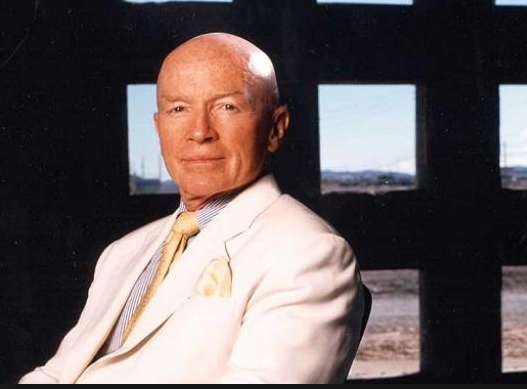
. Mark Mobius dejará de ser el portfolio manager de referencia del Templeton Emerging Markets Investment Trust a partir del 1 de octubre
Mark Mobius dejará de ser el portfolio manager de referencia del Templeton Emerging Markets Investment Trust –Temit- a partir del 1 de octubre y será remplazado en el cargo por Carlos Hardenberg.
Mobius, presidente ejecutivo de Templeton Emerging Markets Group, ha sido el portfolio manager de referencia de este trust desde su lanzamiento en junio de 1989. Pese a su decisión, explicó la firma en un comunicado, seguirá siendo portfolio manager del equipo.
Por su parte, Hardenberg trasladará a Londres. Tras unirse a la compañía en 2002, actualmente desempeña el cargo de vicepresidente senior y director general del grupo de Templeton Emerging Markets.
La labor de Hardenberg estará respaldada por Chetan Sehgal, director de las estrategias de empresas de pequeña capitalización, que continuará trabajando como senior research analyst. Mobius continuará liderando el grupo Templeton Emerging Markets, compuesto por 52 expertos y seguirá «plenamente comprometido en la estrategia de inversión y de research».
Peter Smith, presidente de Temit, explicó: «Bajo la dirección de Templeton Emerging Markets Group, Temit ha crecido hasta convertirse en uno de los principales trust de mercados emergentes, con unos activos bajo gestión de 1.900 millones de libras”.
Creemos que el nombramiento de Carlos Hardenberg como portfolio manager de referencia en la estrategia, con el apoyo de Mark Mobius y Chetan Sehgal, proporcionará un renovado enfoque para la siguiente etapa en el desarrollo de la empresa«.