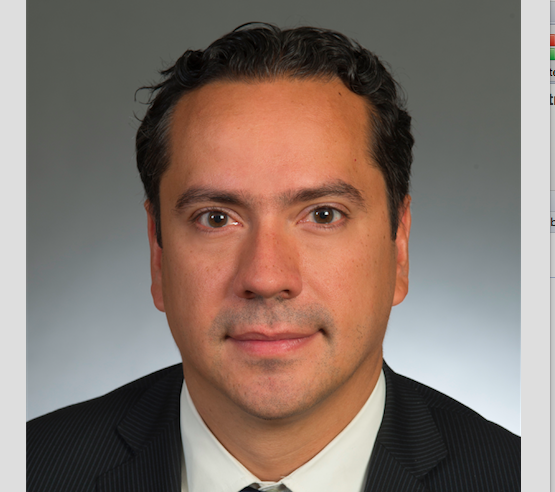
This Monday, BCP Asset Management and Apex Fund Services jointly announced their partnership for fund administration services.
As part of the recent acquisition of four High Street buildings in a prime Dublin 2 location by BCP and Meyer Bergman, BCP announced the successful launch of two new funds with global independent administrator Apex Fund Services; The Kells Investment Fund I and Kells Investment Fund II. The BCP acquisition was in partnership with Meyer Bergman and is valued in excess of EUR€100 million.
BCP, one of the leading independently owned investment managers in the Irish market, boasts over EUR€2 billion in assets under management and has an exceptionally strong track record in commercial property. Apex Fund Services is one of the world’s largest independent administrators, with local offices in both Dublin and Cork, and a total AuA of $45bn USD.
John Calvert, CEO of BCP, said, “BCP has chosen to partner with Apex to deliver our fund administration requirements as they demonstrate an exceptional knowledge and capability of service in the private equity and property funds space in particular. They combined commerciality with strong technical support and compliance knowledge. We required an expert administrator that could deliver a cost effective solution for our 3 existing funds, with further funds planned. Having completed the required infrastructure, Apex continues to work closely and effectively with our internal operations and administration teams”.
John Bohan, Managing Director for Apex EMEA and Apex Ireland, said, “We are delighted to be able to provide BCP with the specific solution they require to support this important part of their investment portfolio. We have a great deal of experience administering regulated funds, both liquid and illiquid, and can add true value to support the already robust internal infrastructure at BCP. Apex is committed to delivering relationship based service and unrivalled experienced resource to our clients and will support BCP’s real estate investments locally, via our Dublin office.”
Four days before the Brexit vote, I wrote about how strange it was to see Germany’s 10-year bond yield go negative at the same time as U.S. equities were just 2.5% off their all-time highs.
Well, last week U.S. equity indices broke through those highs, and interest rates have gone even lower. Germany actually issued a Bund at a negative yield. On July 8, as the U.S. reported the creation of almost 300,000 jobs in June, the 10-year U.S. Treasury yield, paradoxically, fell to an all-time low of just under 1.36% and in the Netherlands the 10-year yield slipped below zero for the first time in 500 years.
We’ve all become somewhat used to bad news in the economy translating into good news for equities, as investors anticipate that rates will be kept low and unconventional monetary stimulus will be maintained. This seems to have reached a new pitch of intensity following Brexit, however. It truly feels as though the world has been turned upside down—politically as well as economically.
Politicians Have a Pro-Growth Role to Play Indeed, should the U.K.’s referendum prove a lastingly important moment for the global economy, it may be because it marked the point at which the political overtook the fundamental as the primary driver of economic and monetary policy. Central banks seem to be running out of ammunition, but politicians haven’t appeared to care until now. When voters start delivering painful election results, however, it becomes much more difficult for them to ignore the role they have to play in growth and job creation.
Much attention has been directed at the dangers of populism, particularly of the anti-trade and anti-immigrant kinds. But there is also the potential for today’s political energies to be translated into pro-growth policies.
Brad Tank floated a similar suggestion last week. Riskier assets recovered from Brexit thanks to reassuring words from central banks, he observed. But one of the few tools they have left is “helicopter money”—putting new money directly into the hands of consumers, or using new money to finance fiscal spending. Implementing that requires government cooperation, Brad noted, which might in turn move governments toward structural reform of things like tax codes and regulation, possibly starting in Japan.
Infrastructure Spending Could Be on the Agenda Politics may simply be too polarized for that. What we might see, however, is some momentum behind the idea that central bank stimulus should be augmented with fiscal stimulus, particularly infrastructure spending. Both left and right can get behind that because it’s good for jobs and business.
We have now seen Japanese Prime Minister Shinzo Abe’s ruling coalition consolidate its position after last weekend’s elections. Abe took this as a mandate to “accelerate Abenomics,” and there has been widespread speculation about a stimulus package worth perhaps 2%-4% of GDP. Japanese equities rallied in response.
Similarly, in the U.K. Brexit has been followed by the surprisingly quick succession of Prime Minister Theresa May and her new cabinet, also eager to test its mandate. While May has appointed a somewhat hawkish chancellor, her own rhetoric marks a significant shift away from the austerity associated with the Cameron-Osborne administration.
Obstacles Remain but Momentum Is Building There is a long way to go before we see realization of fiscal stimulus—and even longer before we can speak of a globally coordinated infrastructure spending program. Could we see such a thing in the U.S., for example? The need is clear enough. But to my mind, this initiative would be in danger of getting caught up with other political footballs, such as corporate tax reform. The likelihood of an infrastructure deal being done will depend on a number of factors, such as control of Congress and the White House, and the state of the economy: The more unified the political control and the worse the economy is doing, the more likely we are to see a deal.
What might this mean for corporate earnings? We’ve been concerned about this through a number of our CIO Perspectives, thinking about the catalysts that might end the current earnings recession. Firmer oil prices, a weaker dollar and some stability out of China helped set the foundations. Concerted action on infrastructure spending would certainly build upon them. And while these are early days and big obstacles remain, voters may be reminding governments that they cannot leave the business of growth and job creation to central banks alone.
The first three years are the most critical period in a fund’s lifetime for attracting asset flows, according to the MackayWilliams Product Innovation Perspectives report.
While the investment industry may be dedicated to encouraging saving for the long-term, perversely, a fifth of industry assets are invested in funds that are less than five years old.
The analysis revealed that sales tend to tail off rapidly and turn negative within just a couple of years of their heyday. “If you have a winning product today by all means make the most of it – but plan for a scenario where, by 2018, it may well have fallen off the podium. Even in uncertain times, like the post-Brexit vote, asset managers must fight the temptation to freeze budgets and halt product innovations. Maintaining a new product pipeline is vital for companies wanting to protect their future asset gathering potential” says Chris Chancellor, partner, MackayWilliams.
Also highlighted in the report are the most successful companies for overall fund launches and the factors behind their success. Topping the table in Gold and Silver positions, in the latest six monthly update, were Marsh McLennan and the Russell Group where their strength with institutional clients underpinned their high success rate. Commenting on changes in the top ten over the six-month period to 31/03/2016, Chris Chancellor said: “Many of these groups are very close in terms of their launch success rates with relatively small changes leading to notable shifts in rankings. Fidelity is an important beneficiary; in the latest five-year window we have measured it has just three more successful funds than six months ago, but this has propelled it up 12 places.” It’s not a level playing field across all asset classes, though. Scaling the heights of success even to meet the relatively low minimum threshold of €100m is much more difficult to achieve in the mixed asset arena than in fixed income. Fixed income success rates of fund launches are roughly 50:50. Whereas in the highly competitive mixed asset category, 78% of fund launches failed to achieve the €100m grade.
CC-BY-SA-2.0, FlickrFoto: milito10 / Pixabay. AXA Investment Managers ficha a Alix Chosson
AXA Investment Managers ha anunciado la incorporación de Alix Chosson como analista de energía y vocera del equipo inversión responsable. Chosson trabajará desde Londres, reportando a Matt Christensen, director global de inversión responsable en AXA IM.
Al respecto, Chosson comentó que está muy emocionada de unirse a un pionero en RI y de crecer las capacidades de la empresa aún más “en un momento interesante para la industria.»
Por su parte, Christensen mencionó que la inversión responsable es una prioridad clave de negocio para AXA IM, dónde se gestionan 333.000 millones de euros a cierre de 2015 y “el nombramiento de Alix es el primero de una serie de contrataciones para reforzar aún más nuestro equipo de RI. Estamos muy contentos de tenerla a bordo y seguros de que su sólida formación en RI y análisis de impacto, en particular en el sector de la energía, será una adición valiosa para el equipo. La llegada de Alix fortalece nuestra experiencia interna en el sector de la energía y nuestra capacidad de trabajar con los clientes para satisfacer sus necesidades específicas en esta área».
Previo a su incorporación en AXA IM, Chosson trabajaba en Standard Life Investments, donde fue analista de inversión responsable especializada en los sectores de energía y tecnología. Antes de eso, trabajó en Generali Investments como Analista de RI. Comenzó su carrera como analista en 2010 en Amundi Asset Management.
Foto: mulan
. Deutsche Asset Management suma un fondo a su suite de ETFs Comprehensive Factor
Deutsche Asset Management ha anunciado el lanzamiento de Deutsche X-trackers Russell 2000 Comprehensive Factor exchange traded fund (ETF), el cuarto ETF que se unirá a su gama multi factor. El nuevo fondo, DESC, tiene por objeto seguir el Russell 2000 Comprehensive Factor Index. La familia de índices multi factor FTSE Russell está diseñada para realizar un seguimiento del rendimiento bursátil de empresas que han demostrado una relativamente fuerte exposición a factores específicos del estilo de inversión: valor, momentum, calidad, baja volatilidad y tamaño.
«DESC, centrado en acciones de pequeña capitalización de Estados Unidos, es un complemento lógico a nuestra suite de ETFs Deutsche X-trackers multi factor, que se basa en un mecanismo de construcción de índices inteligentemente diseñado y que tiene en cuenta cinco factores de inversión. La investigación académica ha identificado ciertas características que son importantes para explicar el riesgo y el rendimiento de una acción. El énfasis en estos factores podría, potencialmente, hacer una contribución significativa para superar a los tradicionales índices de referencia ponderados de capitalización bursátil», declara Fiona Bassett, directora de estrategias pasivas en las Américas.
Deutsche AM lanzó su serie multi factor estadounidense a finales del año pasado con el Deutsche X-trackers Russell 1000 Comprehensive Factor ETF y el Deutsche X-trackers FTSE Developed ex US Comprehensive Factor ETF. La familia se amplió con el lanzamiento de Deutsche X-trackers FTSE Emerging Comprehensive Factor ETF a principios de este año. DESC sigue la misma metodología de inversión que los tres fondos previamente creados aplicada a las acciones de pequeña capitalización estadounidenses.
Foto: Scott Pitocco
. Real Madrid CF y Manchester United FC lideran la tabla de valoración de clubs europeos de fútbol de KPMG
KPMG ha publicado recientemente su Football Club’s Valuation: The European Elite, un informe que valora los principales clubs de fútbol europeos y que arroja un valor agregado de 26.300 millones de euros. La clasificación la encabezan el Real Madrid CF y el Manchester United FC, con un valor de 2.900 millones de euros cada uno.
Andrea Sartori, responsable de Deportes en KPMG y autor del estudio comenta: “Nuestro análisis de los 32 clubs líderes en el fútbol europeo pone de manifiesto cambios en el entorno económico del fútbol. Mientras los clubs se encuentran entre las marcas más reconocidas instantáneamente, y cuentan con grupos de fans globales, su valor empresarial -cuando se mide de forma similar al de otros negocios- es relativamente bajo”.
El estudio de KPMG revela que Inglaterra es el país con el conjunto de clubs más valioso en términos de valor empresarial, con un total que supera los 10.000 millones de euros, y supone cerca del 40% del total agregado de los 32 clubs valorados.
“Gracias al acuerdo firmado por la Premier League inglesa a principios de 2015, la diferencia en ingresos por derechos televisivos entre la liga inglesa y el resto de las principales ligas europeas se ha agrandado considerablemente, a pesar del alza de precios en las retransmisiones locales en otros países europeos”.
Los equipos españoles, que han ganado las mayores competiciones europeas en los tres últimos años, son el segundo conjunto más valioso,con un valor aproximado de 6.600 millones de euros. La suma del valor empresarial del Real Madrid CF y del FC Barcelona representa el 85% del total nacional y el 21% de los 26.300 millones del conjunto de los 32 clubs europeos, y coloca a España como único país con dos equipos que superan de forma individual 2.000 millones de euros. Además de estos dos, la consultora otorga un valor empresarial de 618 millones al Atlético de Madrid, que aparece en la posición 14; al ValenciaCF, de 214 millones, en la vigésimo quinta posición; y al Sevilla FC, de 192 millones, en el puesto 30.
Alemania sólo ha colocado tres equipos entre los Top 32, con un valor conjunto de 3.500 millones.
A pesar de que Italia sea, junto con Inglaterra, el país con mayor número de equipos incluidos, hasta 7, su valor conjunto es un 70% inferior al total inglés, 3.100 millones de euros frente a los 10.200 de Inglaterra. Juventus FC, que casi llega a los 1.000 millones, es el único club italiano en el Top 10.
El francés Paris Saint Germain FC cierra los diez primeros puestos de la clasificación, con un valor empresarial de 843 millones de euros.
Foto cedida. Investment Placement Group realiza una contratación clave para su expansión en Miami: Rocio Harb se une a la firma
El broker dealer independiente Investment Placement Group (IPG) ha anunciado hoy el nombramiento de Rocío Harb como directora y branch manager de la recién creada oficina de Miami. Este anuncio sigue a la reciente apertura de la oficina de IPG en Houston, Texas, hace apenas seis meses. Harb estará basada en Miami y reportará directamente a Gilbert Addeo, director de operaciones y de desarrollo de negocio de la firma.
«A medida que expandimos nuestro negocio reconocemos la necesidad de líderes con talento que puedan ayudar a transformar nuestra firma y la hagan pasar a un nivel superior», dijo Addeo. «Rocío es respetada en la industria y tiene un gran historial de construcción y gestión de equipos de banca privada locales e internacionales. Consideramos su nombramiento como directora de la recién creada sucursal en Miami como una muestra de nuestro compromiso de servicio hacia los inversores globales, así como para la atracción de asesores de gran talento a nuestra firma».
Harb aporta más de 20 años de experiencia en la industria de servicios financieros y se une a IPG desde Wunderlich Securities donde su último puesto fue del de managing director y branch manager de su oficina en Miami. Anteriormente trabajó para Dominick and Dominick, como branch manager. Previamente había ostentado diversas responsabilidades en compliance, operaciones y gestión de clientes en Donaldson, Lufkin & Jenrette.
«Estoy muy feliz de unirme al equipo de IPG», dijo Harb. «IPG ha esbozado una visión muy clara de su crecimiento y está verdaderamente comprometido con el wealth management internacional y la banca privada. Además, cuentan con tecnología, crédito, trading y servicios de custodia para apoyar las necesidades de asesores con bases globales de clientes. Estoy deseando aprovechar mi experiencia en esta nueva oportunidad con IPG «.
Con sede en San Diego California, IPG se compone de un grupo de empresas filiales de servicios financieros especializadas en la prestación de diversos servicios de gestión patrimonial y banca privada.
BNY Mellon Wealth Management nombra a Esteban Colon II Wealth Director - Foto cedida. BNY Mellon Wealth Management nombra wealth director a Esteban Colon II
BNY Mellon ha incorporado a la compañía a Esteban Colon II para desempeñar las funciones de wealth director dentro del equipo con que BNY Mellon Wealth Management cuenta en Nueva York y norte de Nueva Jersey. Colon reportará a Katia Friend, managing director, y dará servicio a clientes domésticos e internacionales.
Colon aporta 16 años de experiencia en la industria de servicios financieros y llega a la firma procedente de PNC Private Bank, donde ocupaba el puesto de senior relationship manager en la oficina de Ridgewood, en Nueva Jersey. Con anterioridad, trabajó para Bank of America Merrill Lynch como asesor financiero global para clientes internacionales en Nueva York, y previamente en el departamento financiero y como responsable de planificación y análisis financiero para América Latina. Cuenta con un B.A. en biología, con una especialización en finanzas por Baruch College.
BNY Mellon Wealth Managment gestiona 191.200 millones en activos de clientes privados a 31 de marzo de 2016.
Foto: Marko Mikkonen
. Schroders lanza el primer UCITS long/short de renta variable asiática en la plataforma GAIA
Schroders ha anunciado el lanzamiento de Schroder GAIA Indus PacifiChoice, en colaboración con Indus Capital Partners. El UCITS invertirá en acciones y valores relacionados con renta variable en la región de Asia Pacífico.
El equipo de inversiones de Indus Capital, dirigido por Sheldon Kasowitz -socio y co fundador de la firma- gestionará el fondo que invertirá en toda la región de Asia Pacífico, incluidos Japón, China, India y Australia, combinando el enfoque bottom-up con el análisis macro. El producto se basa en un fondo UCITS previamene existente y gestionado por Indus, que ha obtenido retornos netos anualizados positivos desde su fundación en 2011.
Indus Capital es una firma de inversión especializada en estrategias de renta variable en la región de Asia Pacífico, que administra alrededor de 5,3 billones de dólares de fundaciones y fondos universitarios, pensiones corporativas y públicas, grandes patrimonios, family offices, fondos soberanos e instituciones financieras. Sheldon Kasowitz -socio y co fundador de la firma y gestor del producto- tiene más de 25 años de experiencia en la industria y ha participado en estrategias de renta variable long/short a lo largo de más de 20 años.
“Las preocupaciones macro globales se han dejado sentir en los mercados asiáticos en los últimos tiempos. A pesar de que las presiones externas se mantienen y los problemas estructurales de China continuarán creando volatilidad, el marco político de la región es muy atractivo y las valoraciones se encuentran entre el extremo inferior y la zona moderada”, dijo Sheldon Kasowitz, con motivo del lanzamiento.
Por su parte, Eric Bertrand, director de Schroder GAIA, señaló que «seguimos viendo una muy fuerte demanda de estrategias de inversión líquidas alternativas, ya que los clientes buscan diversificar sus carteras».
Fotos cedidas
. Michael Mazzola y Julie Nemirovsky se unen a la práctica de servicios financieros de EisnerAmper
EisnerAmper ha anunciado la incorporación de Michael Mazzola y Julie Nemirovsky a su práctica de servicios financieros, con base en la oficina de Miami. Mazzola será socio de la firma y Nemirowsky directora en el grupo de asset management.
Mazzola cuenta con más de 20 años de experiencia en auditoria, planificación fiscal y servicios de compliance a clientes de inversiones alternativas. Ha trabajado con fondos domésticos y offshore, hedge funds, estructuras master-feeder, y bróker dealers, entre otros, y cuenta con una amplia experiencia en valores domésticos e internacionales o derivados. Antes de su incorporación a EisnerAmper, Mazzola era socio en una compañía de autoría de Nueva York, donde prestaba servicio a firmas de la industria financiera.
Nemirovsky, por su parte, aporta 15 años de experiencia en auditoria y servicios fiscales a clientes de la industria financiera. Su experiencia incluye fondos domésticos y offshore, master-feeders, fondos de fondos e investment advisors. Está familiarizada con valores domésticos y extranjeros, varios tipos de derivados, moneda extranjera e inversiones privadas. Era directora en una firma de auditoría de Nueva York.
Con motivo del anuncio de las incorporaciones, Peter Cogan, co responsable de la práctica a la que se suman, declaró que hay una serie de factores relacionados con el mercado que han hecho que la llegada de Mazzola y Nemirovsky suceda en el momento adecuado: “La región del Sur de la Florida continúa atrayendo a grandes patrimonios, muchos de ellos internacionales. Su incorporación, junto con el incremento en el número y alcance de los servicios ofrecidos por los gestores de capitales, así como los fondos de private equity especializados en real este, hace que nuestro encaje en este mercado sea ideal”.
“La incorporación de estos dos profesionales es parte de nuestra estrategia de expansión de los servicios en los mercados de rápido crecimiento del sur de la Florida, al tiempo que hacemos crecer nuestra ya solventes prácticas a nivel nacional, incluyendo la de servicios financieros, real estate y personal wealth”, declaró Charly Weinstein, CEO de la firma.