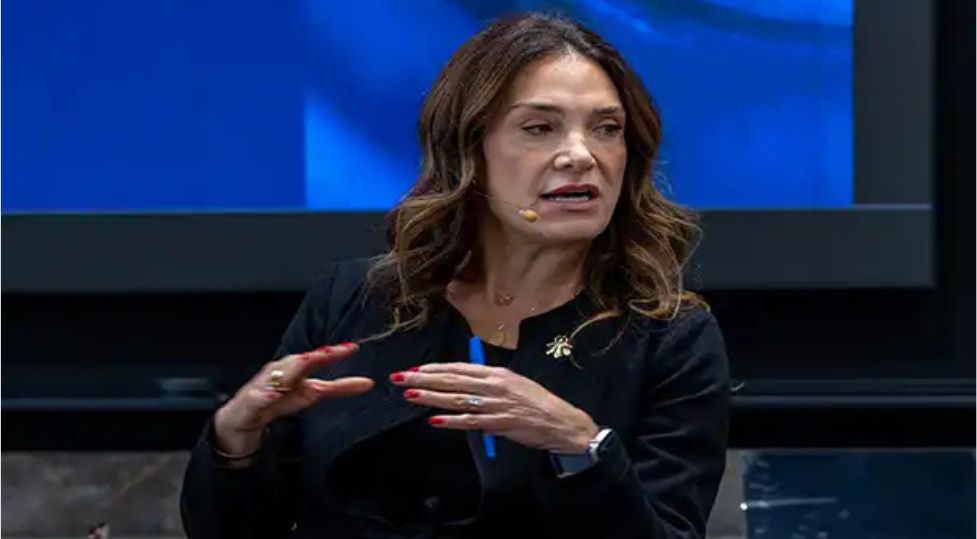
Samantha Ricciardi, Head of EMEA at Fidelity International, outlined key trends and challenges facing both the industry in general and Fidelity International in particular at the firm’s European Media Summit recently held in London. The executive, who joined the firm just six months ago, cited the need for individuals to take greater responsibility for their financial future as the primary industry trend. “We are not going to have enough money to retire,” she asserted, emphasizing that “there is a push at the European level regarding how we ensure that people take ownership of their financial future and better plan for their retirement.”
Second, she pointed to advice as a growing trend. “We have noticed a significant increase in people’s interest in knowing not just what to invest in, but also how to achieve certain goals,” she stated. Ultimately, she observes that clients are seeking solutions to reach a specific target rather than an opinion on a particular product. “This means people are requesting much more advice,” she argued. In this realm, it is inevitable to consider the impact artificial intelligence will have on advisory services. Ricciardi recalled that a few years ago, the industry thought robo-advisors “were going to dominate everything.” However, she concluded that when it comes to deciding what to do with your financial future, “you usually prefer to sit down and talk to someone.”
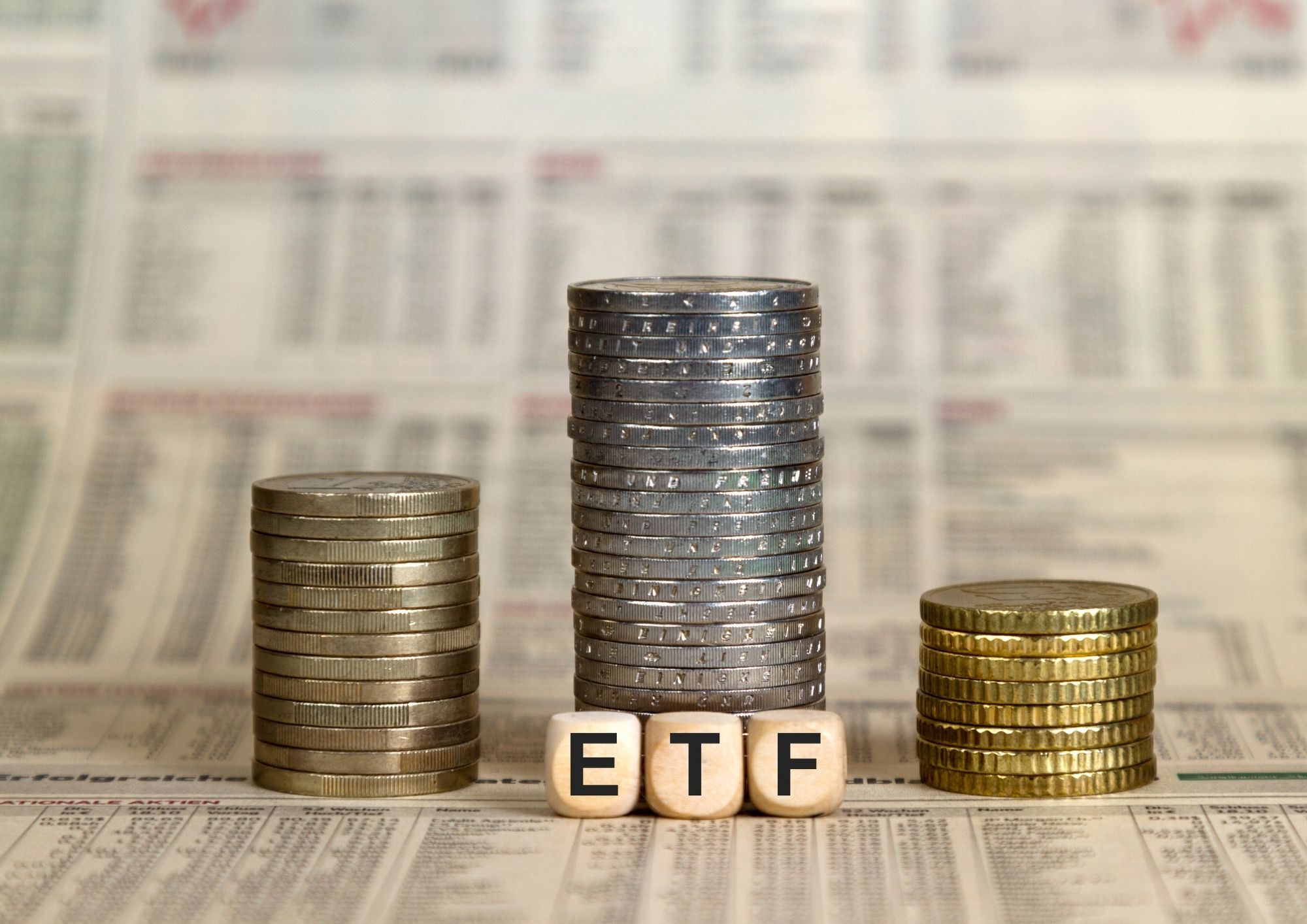
As the third major trend transforming the industry, the executive cited the huge growth of new vehicles. Specifically, she highlighted ETFs—especially actively managed ones—which help facilitate investor access to the world of investing.
Ricciardi also discussed her goals for Fidelity International. She acknowledged the firm’s profile as an asset manager in EMEA, but also highlighted the importance of its direct-access investment platforms, which allow them to “better understand our clients’ needs and offer them solutions throughout their entire lifecycle.” This even extends to retirement solutions for corporate clients. Ultimately, “Fidelity goes far beyond simple investment management. We have extensive knowledge on how to interact with clients and support them throughout the entire lifecycle of their investments,” she declared.
As an underlying priority, Ricciardi noted that they are working “very hard” to position Fidelity as a strategic partner for clients amid an industry trend where investors are reducing their number of providers.
Retirement
The pensions industry was the focal point of Ricciardi’s presentation. “It has always been a challenge,” she admitted, emphasizing that “the numbers are very revealing and certainly quite concerning.” The executive highlighted the global demographic challenge, concluding that “the numbers simply do not add up” regarding public pensions. “It is important for governments to start thinking about how to ensure citizens reflect on whether they have enough money saved and invested, and whether it will last them into retirement,” she pointed out, citing instruments like the Altersvorsorgedepot—a new private pension model in Germany effective as of January 1, 2027. “This could serve as a good example for mobilizing the 13 trillion euros in deposits currently held by European citizens,” she assured.
Ricciardi believes the Capital Markets Union (CMU) is a good first step toward encouraging people to move from cash to investments, noting that the challenge lies in the fact that each country will decide how to proceed. She referenced studies showing that what truly makes a difference is auto-enrollment in pension plans and including tax incentives, as well as having access to all savings in a single location alongside pension simulators, as is done in Sweden.
In reality, this landscape is full of opportunities, according to Ricciardi. “If in three years people think Fidelity is the ideal retirement company, I would be very happy,” stated the executive, who underscored the firm’s long-term vision and its “DNA fully tied to the retirement sector.”
ETFs
Exchange-traded funds (ETFs) have been a booming instrument for several years. Ricciardi recalled that active ETFs have grown from $800 billion to $2 trillion and are projected to reach $4 trillion by 2030. “It meets an existing demand” and “they are useful” because they offer a more innovative way to invest, according to the Fidelity International executive, giving savers another avenue to grow their money through an innovative instrument. In the case of active ETFs, they combine the innovation of the vehicle with active management as the underlying component.
Ricciardi “firmly” believes that ETFs incentivize savers to become investors and save more, in addition to being a good instrument to use in investment portfolios. On this point, she revealed that the firm is the second-largest active ETF provider in Europe. Although she is aware that “competition is fierce” and the ultimate aspiration is “to be number one,” Ricciardi would be satisfied remaining in the top three.
In terms of figures, Ricciardi noted that the firm currently manages approximately $17 billion in ETFs, with the goal of more than tripling that figure over the next two years.
Regarding artificial intelligence, Ricciardi believes it “is changing how we distribute, as clients are closer to being able to meet their expectations than in the past,” thereby making investing easier. However, she also believes that when it comes to making major decisions, such as closing a deal, there will continue to be plenty of room for human interaction and personal conversation.