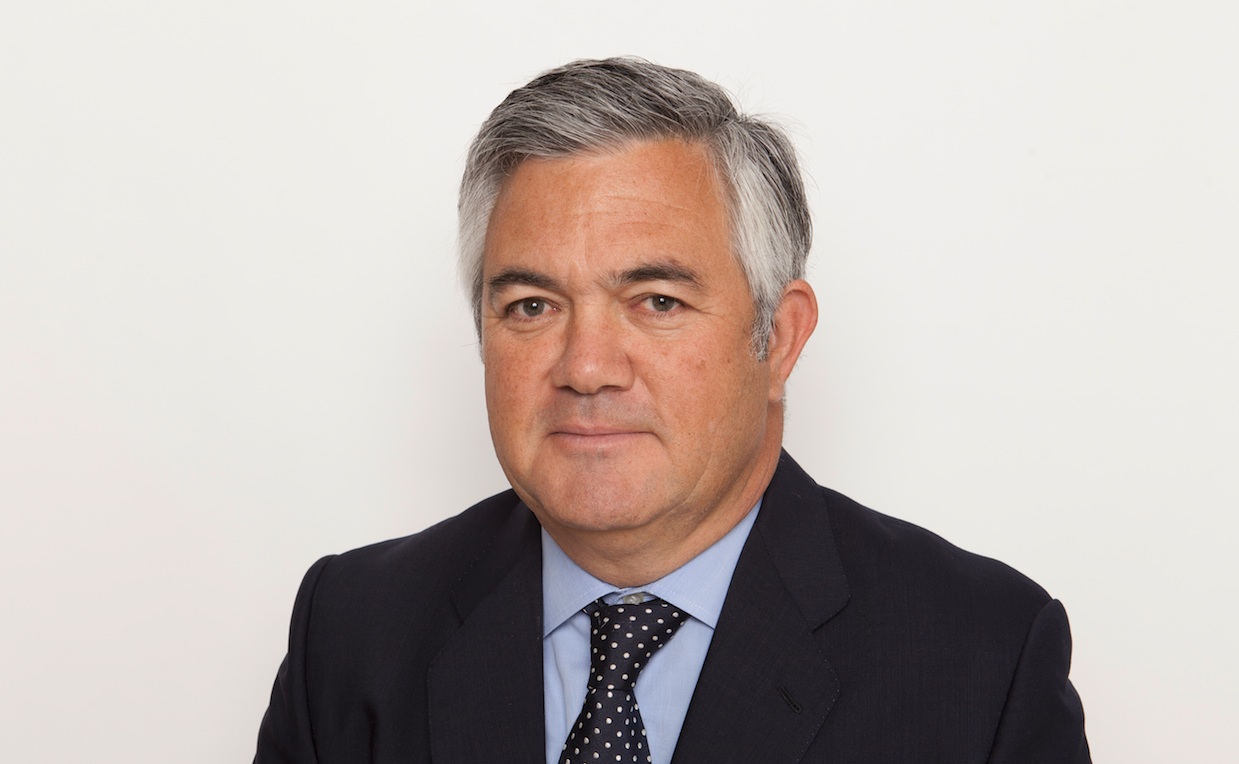
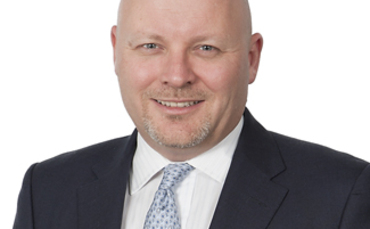
Santiago Satrústegui, presidente de Abante.. abante
Abante y Mapfre han firmado una alianza estratégica para crear una plataforma independiente de asesoramiento financiero y distribución de productos que sea competitiva en el mercado español. El grupo asegurador toma una participación del 10% de Abante mediante una ampliación de capital y mantiene la posibilidad de hacerse con otro 10%, hasta un máximo del 20%, dentro de tres años.
Los términos de esta alianza permitirán a Abante seguir desarrollando, con la incorporación de los recursos y las capacidades de un grupo tan importante, su modelo de asesoramiento y planificación sin renunciar a la independencia, su sello de identidad desde sus orígenes. Por su parte, Mapfre participará en el crecimiento del mercado de banca privada y consolidará su posición de liderazgo en la gestión de activos.
Mapfre, que pasa a convertirse en socio estratégico de seguros de Abante, va a incorporar los productos y las soluciones de seguro a los servicios de Asesoramiento Patrimonial y Financial Life Planning de la entidad financiera. Y está previsto también el desarrollo de nuevos productos enfocados a dar solución a los retos que supone la longevidad y las incertidumbres patrimoniales que esta provoca.
Además, ambas compañías trabajarán de forma conjunta en el diseño, creación y distribución de nuevos productos financieros, tradicionales y alternativos como capital riesgo, inmobiliario, deuda u otros que consideren atractivos para sus clientes particulares o institucionales.
Operaciones corporativas e internacionalización
Los recursos aportados por Mapfre se destinarán en su totalidad al desarrollo de esta alianza y permitirá afrontar las inversiones necesarias para seguir trabajando en la digitalización del servicio de asesoramiento financiero. Pero, además, se considerarán tanto posibles operaciones corporativas en el mercado financiero español como oportunidades de internacionalización del modelo de banca privada de Abante en Latinoamérica, donde Mapfre es líder en el segmento de No Vida.
Antonio Huertas, presidente de Mapfre, considera que este gran acuerdo fortalece sus líneas estratégicas en el mundo de la gestión de activos: “Contar con un socio de semejante prestigio y de larga experiencia en la industria como Abante nos allana el camino para convertirnos a medio plazo en líderes independientes del sector y poder competir en la distribución de productos financieros de la misma manera que cualquier entidad financiera o de banca privada”, añade.
En palabras de Santiago Satrústegui, presidente de Abante, “tener a un socio como Mapfre es una inmensa oportunidad para Abante, pues refuerza nuestra estructura de capital para invertir más y mejor y poder desarrollar nuevos proyectos que en solitario hubiese sido complicado afrontar”. “El acuerdo nos permite mantener la independencia en el capital y en la gestión de la compañía; nuestra identidad, nuestra marca y nuestros valores son una ventaja competitiva clara de Abante y era una premisa a la que no queríamos renunciar”, añade.
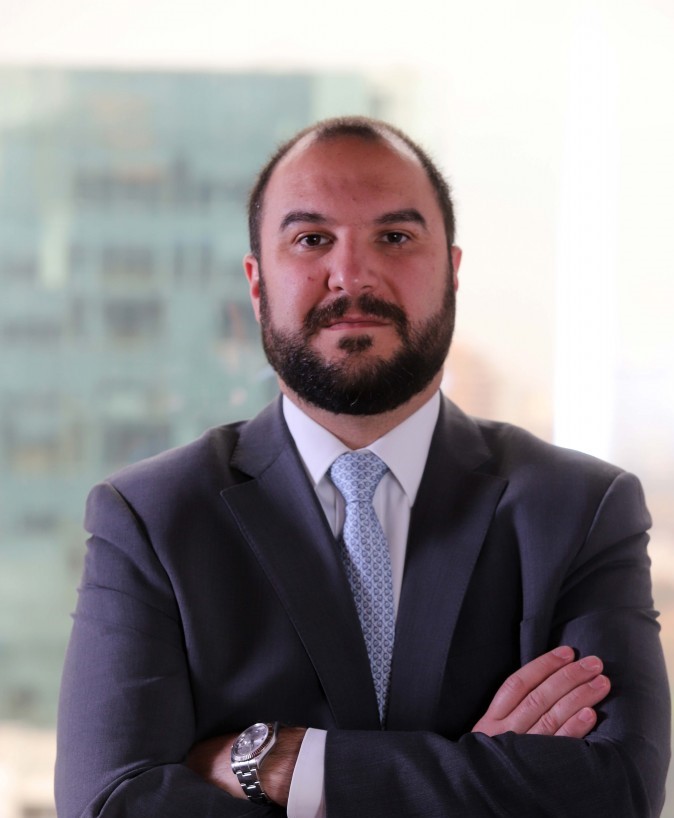
Claudio Mehech se incorporará al equipo de Moneda Asset Management como director de New Business Development & Planning en las próximas fechas.
Mehech procede de Credicorp Capital Chile donde se desempeñaba como gerente de transformación, según la página web del grupo. El ejecutivo era además gerente general de Credicorp S.A. administradora de inversiones S.A, cargo a la que también ha renunciado y ha sido debidamente comunicado a la CMF mediante un hecho esencial.
En el mismo comunicado, Credicorp Capital ha informado que Agustín Herrera Larraín le sustituirá en el cargo a partir del 31 de agosto 2019.
Con anterioridad, y según su perfil de Linkedin, Mehech ocupaba el cargo de gerente de finanzas corporativas en IM Trust y ha trabajado para AIG Foreign Life y Falcon Management Partners entre otros. Es licenciado en ingeniería civil, física y matemáticas por la Universidad de Chile y tiene un MBA en Administración de empresas y Finanzas por Wharton School de la Universidad de Pensilvania.
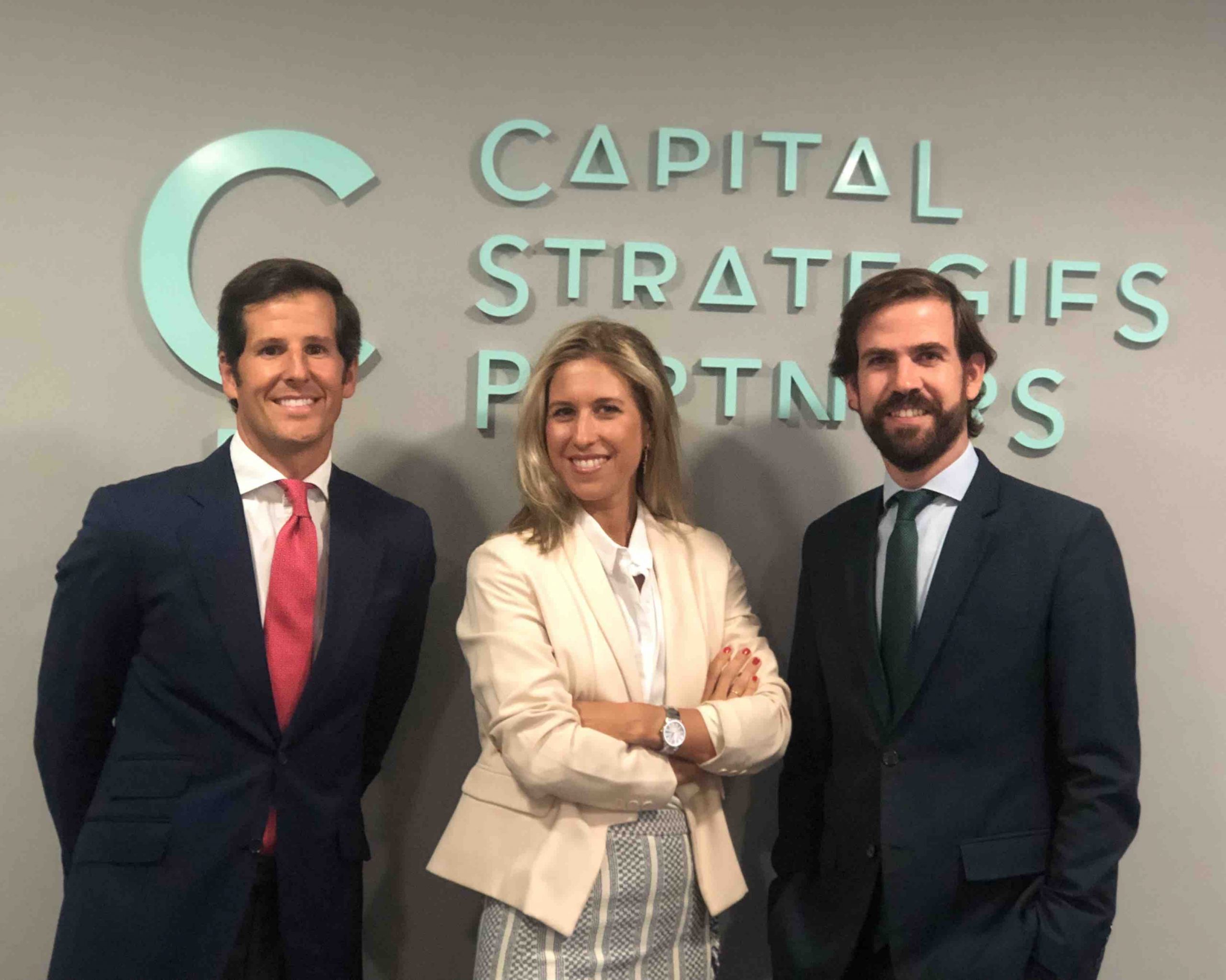
Foto cedidaDe izquierda a derecha, Jorge Benguría Astorqui, Cristina Rubio y Borja López-Mancisidor.. capitalstrategies
La agencia de valores independiente Capital Strategies Partners afianza su proceso de consolidación y crecimiento a través de la incorporación de tres socios nuevos: Cristina Rubio, Borja López-Mancisidor y Jorge Benguría Astorqui.
Cristina es miembro de European Financial Planning Assosiation (EFPA), y licenciada en Administración y Dirección de Empresas con mención Internacional por la Universidad Pontificia de Comillas. Lleva 10 años trabajando en Capital Strategies Partners centrada en el desarrollo de negocio de gestoras internacionales y ventas institucionales en España. Previamente trabajó cinco años en Marketing para Banca Privada en UBS España.
Borja, con más de 12 años de experiencia en el sector financiero, se incorporó al equipo de Capital Strategies en marzo de 2016 para el desarrollo del negocio y ventas institucionales. Previamente trabajó como responsable de ventas institucionales en Gesconsult SGIIC, asesor de patrimonios de Santander Private Banking y gestor de clientes institucionales en Banco Banif. Es miembro de European Financial Planning Association (EFPA), licenciado en Administración y Dirección de Empresas por la Universidad Autónoma de Madrid.
Jorge, con más de 15 años de experiencia en el sector financiero, se incorporó a Capital Strategies Partners en enero de 2016 para el desarrollo de negocio en el mercado latinoamericano. Previamente trabajó en Deutsche Bank España como Portfolio Manager de fondos de fondos y sicavs. Posteriormente fue VP en Santander Private Banking Miami desempeñando la labor de banquero privado y cubriendo los mercados de Argentina, Colombia y Perú desde 2011. Es licenciado en Económicas por la Universidad Complutense de Madrid.
Capital Strategies Partners cuenta con casi 20 años de experiencia ofreciendo servicios de comercialización de productos financieros, demostrando capacidad de cross-selling y soluciones llave en mano para aquellas gestoras sin presencia local. También ha crecido geográficamente y a día de hoy ya opera en España, Portugal, Italia, Reino Unido, Suiza, Alemania y Latinoamérica.
«Estamos encantados de la incorporación de los tres nuevos socios porque estamos convencidos de que es el camino para retener el talento y de alinear al máximo los intereses», afirma Daniel Rubio, fundador de Capital Strategies.
La estrategia gestionada por Renzo Nuzzachi, CFA, alcanzó la marca de los 5 años, aniversario que coincide con la adición del equipo de profesionales de LATAM ConsultUs como consultores.
Durante todo el corriente año, Nuzzachi ha combinado su experiencia en la gestión, con la del equipo de LATAM ConsultUs, potenciando los resultados del Active Asset Allocation.
AAA Active Asset Allocation es una estrategia diseñada a medida para los inversores latinoamericanos, ya que brinda una oferta de activos globales pero desde la perspectiva regional. “
“El estilo de inversión de los latinoamericanos, más enfocados en el control de volatilidad y preservación del capital, difiere de la oferta de estrategias mixtas de las principales gestoras globales. Este tipo de estrategia (global pero gestionada desde la región), no existía hace 5 años, y hoy ya cuenta con una historia real para mostrar”, señaló Renzo Nuzzachi.
Con un perfil de riesgo moderado, invierte en fondos mutuos institucionales de las principales gestoras del mundo y/o ETFs.
El foco de la estrategia estará puesto siempre en dos pilares fundamentales: en primer lugar, la preservación del capital, y en segundo lugar la transparencia total de las inversiones realizadas.
El proceso de inversión cuenta con 3 etapas: la definición de la asignación de activos, realizada en conjunto con el Comité de Inversiones de LATAM ConsultUs. En segundo lugar, se realiza un filtro cuantitativo en base a un modelo propio desarrollado por Nuzzachi en el año 2011.
Finalmente, se aplica un filtro cualitativo sobre los resultados de la etapa anterior, en donde el expertise del equipo de LATAM ConsultUs juega un rol primordial como referente de selección de fondos mutuos en la región.
Si bien cuenta con flexibilidad para la asignación de activos ante los diferentes escenarios de mercado, la misma ha promediado en los siguientes valores: 49% renta fija, 37% acciones, 12% alternativos y 2% cash.
«Durante estos 5 años, la estrategia ha logrado obtener retornos marginalmente superiores a los fondos mixtos globales, con un 37% menos de volatilidad y un Maximum Drawdown 32% menor. Cumpliendo así con su mandato fundamental de preservación del capital», añadió Nuzzachi.
Con su historia, y su presente superador, AAA Active Asset Allocation se consolida como estrategia de gestión mixta, que brinda:
Los fondos de inversión rompieron la racha alcista de los últimos meses debido a los mercados y su impacto negativo en las carteras: la elevada incertidumbre presente en el último mes provocó un ajuste en su patrimonio de 2.971 millones de euros que, con datos provisionales de Inverco, sitúan su volumen en 267.040 millones de euros. A pesar de la reducción de agosto, los fondos acumulan un crecimiento del 3,7% en el año (9.525 millones más que en diciembre de 2018).
El descenso del último mes se debió sobre todo al comportamiento de los mercados y poco a los inversores: “El negativo comportamiento del mercado no se hizo notar en el sentimiento inversor del partícipe, ya que los fondos apenas experimentaron reembolsos durante el mes de agosto, y casi la totalidad del ajuste tuvo su origen en valoración por mercado”, explican desde Inverco.
Y es que los fondos registraron en agosto de 2019 una rentabilidad negativa del 0,98%. La mayor parte de categorías presentaron rentabilidades negativas en el mes, a excepción de la renta fija, que se mantiene plana. Sin embargo, la rentabilidad acumulada en el año es positiva, del 4,37%, y todas las categorías acumulan rentabilidades positivas (excepto la renta variable nacional), siendo la categoría de renta variable internacional la que mayor revalorización registra en 2019 (9,7%).
Con todo, las caídas en los mercados no se reflejaron en el comportamiento de los inversores, que apenas retiraron su capital de los fondos: así, éstos registraron en agosto salidas netas por valor de 243 millones de euros y en el conjunto del año, acumulan reembolsos netos por valor de 409 millones de euros.
El dinero, a los fondos conservadores
Pero hay categorías que han logrado captar dinero: renta fija lidera las suscripciones netas del mes con 514 millones de euros y ya acumula en los ocho primeros meses del año entradas netas por valor de 5.715 millones de euros. Le sigue la renta fija mixta con 482 millones de euros, aunque estas entradas no logran compensar las salidas netas de los meses anteriores y la categoría acumula en el año 307 millones de euros de reembolsos netos. La renta variable mixta también registra salidas netas en el año por valor de 365 millones de euros.
Como prueba de la marcha del dinero hacia categorías conservadoras, las suscripciones netas de los fondos monetarios en agosto fueron de 19 millones y para el conjunto del año son de casi 1.560 millones de euros.
También en términos de patrimonio bruto, las categorías conservadoras vieron crecer el suyo, con algunas excepciones en la renta fija, la renta fija mixta y los monetarios. La primera ha registrado un incremento patrimonial de 575 millones de euros y ya acumula un crecimiento patrimonial de 10 millones en lo que llevamos de 2019. Por su parte, la renta fija mixta también ha visto incrementado su volumen de activos en agosto en 293 millones de euros, aunque en el acumulado del año registra una caída de casi 1.400 millones de euros. Lo contrario de lo que ocurre con la renta variable mixta, que acumula un crecimiento en 2019 de 3.633 millones de euros.
Los monetarios también han aumentado ligeramente su patrimonio en el mes (casi 20 millones), aunque en el año registran caídas por valor de 1.171 millones de euros, cuya reducción se explica por la reclasificación de varios de sus fondos a la renta fija corto plazo, tras la publicación por la CNMV de la modificación de la circular de categorías de inversión. En sentido contrario, están los fondos de renta variable internacional, que han sido los que mayor caída han tenido en agosto, con una reducción del volumen de activos de 1.724 millones de euros. Sin embargo, es una de las categorías con mayor crecimiento en el año con casi 3.135 millones de euros más que en diciembre de 2018.
Como viene ocurriendo a lo largo de 2019, los fondos de retorno absoluto han continuado con las reducciones patrimoniales y ya acumulan una caída de 2.771 millones de euros en el año.
Tikehau Capital, la gestora paneuropea independiente especializada en deuda, private equity, real estate y estrategias líquidas, refuerza su equipo en Madrid con la incorporación de Emilio Velasco como director de real estate.
Emilio será responsable de la originación y ejecución de operaciones de real estate en Iberia con enfoque en valor añadido y con el objetivo de desarrollar un porfolio diversificado en todas las clases de activos inmobiliarios, incluyendo residencial, oficinas, comercial, hoteles, etc. en España y Portugal.
Con cerca de diez años de experiencia, Emilio proviene de Kennedy Wilson Europe Real Estate donde fue Vice President para España. Previamente había trabajado en el European Bank for Reconstruction and Development y Credit Suisse Investment Banking. Emilio es licenciado en Administración de Empresas y Derecho por la Universidad Pontificia Comillas (ICADE) y con un título de postgrado MBA de UCLA Anderson School of Management con especialización en Finanzas.
Con la incorporación de Emilio, Tikehau consolida su equipo en Iberia. Tikehau desembarcó en Madrid en septiembre de 2017 con un equipo propio con el compromiso de desarrollar sus diferentes líneas de negocio en la Península Ibérica. A día de hoy, Tikehau cuenta con profesionales dedicados a sus tres estrategias de inversión alternativa, deuda privada, private equity y con Emilio, real estate.
“Estamos muy contentos con la incorporación de Emilio como nuevo director de la estrategia de real estate y convencidos de que su aportación será muy valiosa para nuestra apuesta de crecimiento en el mercado español. Su experiencia en el sector inmobiliario y conocimiento del mercado local nos permitirá seguir desarrollando nuestro porfolio de inversiones y diversificar con activos de real estate”, comenta Carmen Alonso, responsable de Tikehau Capital en la Península Ibérica.
Pixabay CC0 Public Domain. BNP Paribas AM transforma su gama insignia de fondos que además será 100% sostenible
BNP Paribas Asset Management ha anunciado que su gama insignia de fondos pasará a ser 100% sostenible, como parte de su compromiso con la inversión sostenible y con sus clientes. Según la gestora, supone un hito en la puesta en marcha de su estrategia global de sostenibilidad, y cumple con su ambición de ser una entidad de referencia en inversión sostenible.
Según ha explicado, todas las estrategias que se emplean en la gama de BNP Paribas Funds están aplicando ya las pautas de integración ESG de la gestora, y esto se refleja en todas las fases de cada proceso de inversión. El enfoque de integración ESG se ha adaptado a cada fondo conforme a las características específicas de su clase de activo, proceso de inversión y área geográfica.
La implementación de estas pautas estarán bajo la supervisión de un Comité de Validación ESG, responsable de aprobar la metodología de integración propuesta por cada uno de los equipos de gestión. “Por ejemplo: Todos los fondos multifactor han de contar con unas calificaciones ESG superiores en un 20% a las de sus índices de referencia respectivos y tener como objetivo una huella de carbono un 50% inferior a la de su índice”, explica la gestora.
Aparte del proceso de integración ESG, desde BNP Paribas AM apuntan que todos los fondos cumplen con su política de Conducta Responsable, que refleja los principios del Pacto Mundial de las Naciones Unidas y las políticas sectoriales de la gestora.
Fondos ESG, un paso más
La gama BNP Paribas Funds incluye fondos Best in class en ISR, Multifactor, Temáticos y de Inversión de impacto. “Todos ellos estarán más enfocados en abordar el planteamiento de las 3 E (por sus siglas en inglés) definidos por la Estrategia Global de Sostenibilidad de la entidad: transición energética, protección medioambiental e igualdad y crecimiento inclusivo”, explican desde la festora.
Con casi 10.000 millones de euros en activos bajo gestión, BNP Paribas Asset Management es un referente en soluciones temáticas, y ofrece un amplio abanico de temas medioambientales, como son las estrategias Aqua y Green Bonds. En este sentido, recientemente la firma ha lanzado el fondo BNP Paribas Energy Transition, una estrategia para hacer frente a los retos relacionados con la transición energética.
“Estamos convencidos de que invertir en un futuro sostenible redunda en el interés financiero a largo plazo de nuestros clientes, así como de la economía en general. Esto debe reflejarse en nuestro planteamiento de inversión y en nuestros productos, pues tenemos la responsabilidad de proporcionarles a nuestros clientes soluciones de inversión que puedan generar valor y una mejor rentabilidad ajustada al riesgo a largo plazo. Con nuestra gama BNP Paribas Funds, totalmente transformada y 100% sostenible, estamos contribuyendo a la construcción de un mundo sostenible. “La gama BNP Paribas Funds será el eje clave de nuestra oferta de fondos. Va a permitir impulsar nuestro negocio y el desarrollo del plan de sostenibilidad, según el cual los criterios ESG estarán en cualquier producto nuevo que se lance, en todos los equipos de inversión y en toda nuestra estrategia”, explica Sol Hurtado de Mendoza, directora general de BNP Paribas Asset Management para Iberia.
Foto cedidaMark Burgess, director adjunto global de inversiones y director de inversiones para EMEA de Columbia Threadneedle Investments. . Mark Burgess, director adjunto global de inversiones y director de inversiones para EMEA de Columbia Threadneedle Investments, deja la firma
Columbia Threadneedle Investments ha anunciado que Mark Burgess, director adjunto global de inversiones y director de inversiones para EMEA, ha decidido tomarse un descanso en su carrera tras nueve años en la firma. Con su salida de la compañía, William Davies, actual director global de renta variable, se convertirá en CIO EMEA y reportará directamente a Colin Moore, CIO Global de Columbia Threadneedle.
Según ha explicado la gestora, Burgess ha decidido tomarse un tiempo para descansar, centrarse en su familia y replantearse su carrera profesional. Le sucederá en el cargo William Davies a partir del próximo 27 de septiembre, fecha prevista en la que Burgess dejará la gestora. Como consecuencia del nombramiento de Davies, Neil Robson pasará a ser el gestor principal de los fondo Threadneedle Global Select y Threadneedle (Lux) Global Select.
William Davies se unió a Threadneedle Investments como gestor de renta variable europea en los inicios de la compañía en 1994. Se convirtió en jefe de renta variable europea en 1999 y en Capital Global en 2011. En junio de 2016 William se convirtió en jefe de renta variable, EMEA y en 2017 se convirtió en global responsable de renta variable, asumiendo la responsabilidad de los equipos de renta variable de la empresa en todas las regiones. William retendrá este papel además de convertirse en EMEA CIO.
“En nombre del equipo de Columbia Threadneedle, quisiera agradecer a Mark por la gran contribución que ha hecho a nuestros equipos de inversión global, a la organización y a nuestros clientes. Ha sido un apasionado defensor de nuestro proceso de inversión y ha liderado y fomentado una cultura de colaboración que es fundamental para nuestro desempeño a largo plazo. Ha sabido mantener el foco en nuestro compromiso con los clientes y ha ayudado a dar forma a nuestra organización, logrando dar respuesta a las necesidades de nuestros clientes en todo el mundo”, ha señalado Colin Moore, director global de inversiones.
Por su parte, Burgess ha declarado: “Ha sido un privilegio liderar el equipo de inversiones de EMEA durante casi 10 años. Ha sido una experiencia fantásticas tanto como inversión como responsable del negocio de gestión de activos. Como gestores, lo que hacemos y cómo lo hacemos es importante para nuestros empleados y socios, para nuestros clientes y para la salud económica y la prosperidad de nuestra sociedad. He tenido el placer de trabajar con un equipo sobresaliente tanto en EMEA como a nivel mundial y estoy orgulloso de lo que hemos logrado y de nuestro récord de entrega para nuestros clientes”.
Burgess se unió a Threadneedle Investments como CIO en noviembre de 2010. Desde su cargo dirigió el departamento de inversiones de EMEA con más de 160 trabajadores, con la responsabilidad general del desempeño de todas las estrategias de inversión de EMEA. Ha sido un gran defensor de la filosofía de inversión de Columbia Threadneedle basada en el intercambio de ideas y el debate entre las clases de activos.
Foto cedidaPedro Oliver, responsable de la oficina en Barcelona de Julius Baer.. pedro oliver
Un equipo de 10 gestores patrimoniales con larga experiencia en el mercado se incorporó ayer al equipo de Julius Baer en Madrid con el objetivo de desarrollar y expandir el negocio en el mercado de Portugal de forma transfronteriza. José Maria do Cazal-Ribeiro ha sido nombrado responsable de Mercado de Portugal y Gonçalo Maleitas Correia, responsable del Equipo Nacional de Portugal. Ambos reportarán a Carlos Recoder, responsable de Europa Occidental de Julius Baer.
Tras ampliar la presencia local de la firma en España —al abrir una nueva oficina en Barcelona en abril de 2019—, la contratación de este completo equipo directivo para cubrir el mercado portugués es una de las continuas inversiones de Julius Baer para ofrecer una cobertura de mercado más inteligente.
Según declaraciones de Carlos Recoder, responsable de Europa Occidental, «Julius Baer considera a Portugal como un mercado con mucho potencial de “desarrollo” y se compromete a invertir en su crecimiento. Ofreciendo una mayor proximidad a los clientes de la región y una oferta exclusiva como banco privado puro, Julius Baer ostenta una sólida posición para atraer la cuota de mercado local en Portugal y seguir desarrollando su actual cartera de clientes. La contratación de este equipo directivo integral demuestra nuestro compromiso a largo plazo con el crecimiento del mercado portugués».
Las contrataciones clave para el mercado de Portugal empiezan por José Maria do Cazal-Ribeiro, como responsable del mercado de Portugal. José Maria será responsable del desarrollo y crecimiento del mercado portugués en Julius Baer. Con casi 30 años de experiencia en este campo, cuenta con un largo historial de generación de crecimiento empresarial sustancial. En su puesto más reciente, José María trabajó en Credit Suisse durante 14 años, donde estableció la franquicia portuguesa de la entidad, con cobertura en Lisboa y otros emplazamientos internacionales. Anteriormente, ocupó cargos directivos como gerente de Relaciones en Merrill Lynch International y Banco Espírito Santo.
Gonçalo Maleitas Correia es el responsable del equipo nacional de Portugal. Gonçalo procede de Credit Suisse, donde ocupó el cargo de gerente de sucursal y, últimamente y durante varios años, fue responsable de Mercado de la sucursal de Lisboa. Anteriormente trabajó para Banque Privée Edmond de Rothschild Europe, donde fue responsable de asuntos jurídicos, cumplimiento y desarrollo comercial.
Gonçalo Pinto Basto también se une como gestor patrimonial senior. Después de diez años trabajando en la Banca de Inversión, Gonçalo se unió a Merrill Lynch en 2000, donde fue decisivo en la creación del Portugal Desk. Posteriormente, entró en Credit Suisse, donde trabajó durante 14 años como gerente de Relaciones.
Francisco Pimentel es gestor patrimonial senior: estuvo en Credit Suisse durante seis años y posee un historial contrastado en nuestra industria. Anteriormente, fue gerente de Relaciones en Barclays Bank, donde tuvo la oportunidad de desarrollar una unidad de negocio dedicada a la prestación de servicios a individuos con un patrimonio neto muy elevado (UHNWI, por sus siglas en inglés) de Portugal.
Los miembros adicionales del equipo del mercado de Portugal incluyen a Gonçalo Viana de Sousa, gestor patrimonial senior, Luis Barata, gestor patrimonial senior, Salvador Roque de Pinho, gestor patrimonial senior, Luis Barreto Xavier, consultor de Inversiones, Ana Maria Da Silva, Assistant Relationship Manager, y Maria Joao Abreu, Assistant Relationship Manager.
Pixabay CC0 Public Domain. ¡Cambiemos el reglamento!
Muchos países acudieron a respaldar a sus bancos comerciales locales durante la crisis de 2008. Después de estos “rescates”, Estados Unidos y Europa decidieron revisar la legislación bancaria y buscaron eliminar los excesos del pasado, al considerar que estaban en la raíz de este declive financiero.
Se frenaron determinadas actividades y otras se redujeron, bajo la atenta mirada de los reguladores a cargo de la implementación de estas nuevas normas. Además, se pidió a la industria bancaria que fortaleciera la huella de su capital. El claro objetivo era evitar que se solicitase el dinero de los contribuyentes en la siguiente crisis.
El coste general de estas intervenciones fue muy alto. Los gobiernos vieron con preocupación cómo su deuda nacional aumentaba de forma significativa e, incluso, en algunos casos, tuvieron que implementar políticas de austeridad. Los bancos comerciales intentaron de forma desesperada cumplir con las nuevas reglas que se les impusieron y algunos incluso huyeron de los préstamos al sector privado y se inclinaron por financiar al sector público (ahora muy endeudado).
La deuda pública soberana es considerada menos arriesgada para los bancos bajo su regulación de inversiones. El resultado ha sido una débil actividad económica en algunas zonas (crecimiento por debajo del potencial), mientras que en otras ha sido anémica. Ante la ralentización del crecimiento, los bancos centrales globales han recurrido a mecanismos monetarios acomodaticios poco convencionales con la esperanza de activar estas economías debilitadas.
Con una actividad económica frágil, una política de tipos bajos y mayores requisitos para los nuevos capitales, en ocasiones, los márgenes de la actividad tradicional han sido insuficientes para cubrir las necesidades financieras de la banca. Hasta cierto punto, la tecnología a contrarrestado este fenómeno.
Muchos de los grandes jugadores han invertido de forma considerable y han mejorado su eficiencia operacional, apuntalando su rentabilidad y compensando el débil crecimiento de sus ingresos. Pese a ello, la situación financiera de los bancos sigue siendo precaria y su actividad depende de la economía subyacente en la que operan.
En este contexto, los bancos estadounidenses buscan impulsar algunos cambios para la nueva regulación. Han centrado su atención en la ‘regla Volcker’, considerada demasiado restrictiva para su actividad en el mercado financiero. Como alguien que entiende el valor de impulsar estos mercados, el señor Trump se ha mostrado abierto a escuchar sus propuestas. A su juicio, unos bancos más fuertes y rentables, combinados con mercados alcistas, solo podría contribuir a las perspectivas de crecimiento del país.
El debate político está abierto ahora al ajuste de estas normas. Una vez en funcionamiento, los bancos estadounidenses serán capaces de presumir de una ventaja competitiva triple: Operar en una economía resistente (Estados Unidos lo está haciendo relativamente mejor que Europa o Japón), márgenes de financiación saludables apoyados por tipos de interés positivos (todavía), y normas potencialmente rebajadas en comparación a las de sus competidores extranjeros.
A la hora de “retocar” la legislación, el desafío de las autoridades será evitar el regreso a los excesos del pasado. Desde 2008, la política de autorregulación impulsada por el señor Greenspan y el señor Bernanke ha sido desmantelada. Hoy en día, el regulador estadounidense tiene la capacidad de encontrar un equilibrio apropiado para implementar estas reformas. Cuenta con un amplio rango de herramientas legales a su disposición, lo que no era el caso hace 10 años.
Tribuna de Ygal Cohen, presidente, director ejecutivo y fundador de ASG Capital