Schroders lanza el Total Return Commodity Fund

  |   Por  |  0 Comentarios

Schroders Launches Total Return Commodity Fund
CC-BY-SA-2.0, FlickrFoto cedida - Schroders. Schroders lanza el Total Return Commodity Fund

Schroders ha anunciado el lanzamiento de Schroder Alternative Solutions Commodity Total Return. El nuevo fondo ofrecerá exposición a materias primas con enfoque flexible, permitiendo al equipo aprovechar una amplia gama de oportunidades, así como limitar el riesgo a la baja. El fondo invertirá en energía, agricultura y metales globalmente y adoptará una estrategia muy flexible que incluye la capacidad de tomar posiciones cortas y apalancamiento.

El fondo estará gestionado por el equipo de commodities de Schroders, dirigido por Geoff Blanning. Schroders ha reforzado sus recursos de inversión en commodities en los últimos dos años con la contratación de un gestor de fondos de metales, un analista cuantitativo de materias primas y la inclusión de dos experimentados gestores de fondos globales de energía del grupo de inversión.

«Schroder Alternative Solutions Commodity Total Return proporcionará una opción flexible y de poco riesgo para aquellos inversores que deseen restablecer su exposición al mercado de materias primas tras casi 5 años consecutivos de caídas de precios, así como a aquellos que deseen participar en estos mercados por vez primera. El fondo también será de interés para aquellos que busquen inversiones alternativas líquidas gestionadas por un equipo de inversión especializado y con experiencia», explicó Geoff Blanning, director de commodities.

Por su parte, John Troiano, director global del canal institucional, añadió: «Las materias primas como clase de activos ha tenido algunos años difíciles; Sin embargo, existen señales que animan a pensar que los fundamentales empieza a ser positivos. El nuevo fondo está diseñado para inversores que deseen participar en los mercados de commodities para protegerse contra el riesgo de inflación e invertir en una estrategia de potencial alto rendimiento, pero que también desean evitar el alto riesgo a la baja inherente a una inversión completa”.

El fondo aún no se ha registrado para su distribución en ninguna jurisdicción. Sujeto a aprobación regulatoria, Schroders planea ponerla a disposición de los inversores profesionales en Austria, Dinamarca, Finlandia, Alemania, Grecia, Noruega, España, Suecia y el Reino Unido; para su distribución pública en Luxemburgo, los Países Bajos, Portugal, Hong Kong, Macao y Singapur; y para inversores cualificados en Suiza.

Dynasty Financial Partners contrata a un ex directivo de Google como director de Marketing

  |   Por  |  0 Comentarios

Dynasty Financial Partners Taps Senior Marketing Leader, Gordon Abel
Foto: Martin de Lusenet . Dynasty Financial Partners contrata a un ex directivo de Google como director de Marketing

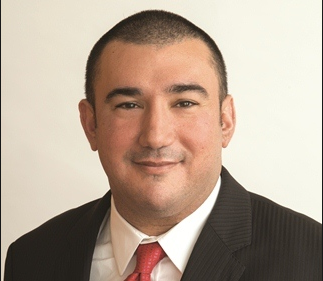
Dynasty Financial Partners ha anunciado la contratación de un reconocido experto de marketing del sector, Gordon Abel, como SVP director de marketing.

Desde su nuevo puesto en Nueva York y reportando al CEO de la compañía –Shirl Penney-, Abel será responsable de ampliar el éxito de la firma como una de las plataformas líderes de wealth management para asesores independientes. Además, trabajará con las empresas de la red en el desarrollo de sus marcas y estrategias de marketing.

Gordon Abel cuenta con una extensa carrera en marketing financiero. Antes de su incorporación, fue director para la industria financiera en Google, puesto desde el que supervisaba las relaciones empresariales con MasterCard y JPMorgan Chase. Con anterioridad fue director ejecutivo en JPMorgan Chase y ocupó diversas funciones ejecutivas en BlackRock / iShares, Carat, Euro RSCG y SF interactive.

El CEO de la compañía declara que «Dynasty ha cumplido ya cinco años y está lista para la siguiente etapa. Según las empresas de la red crecen, quieren ampliar la visibilidad de sus marcas en sus respectivos mercados. Gordy tiene la visión, experiencia en marketing y habilidades de liderazgo para llevar la marca a un nivel completamente nuevo. Estamos muy ilusionados de que se haya unido a nuestra familia. Seguiremos añadiendo capital intelectual de calidad para ayudar a nuestros clientes a mejorar la experiencia con sus clientes finales y hacer crecer sus negocios».

Los inversores en fondos pagaron menos comisiones que nunca en 2015

  |   Por  |  0 Comentarios

Investors Paid Lower Fund Expenses in 2015 Than Ever Before
Foto: Manuel . Los inversores en fondos pagaron menos comisiones que nunca en 2015

Un estudio sobre fondos de inversión y ETFs en Estados Unidos, recientemente publicado por Morningstar, revela que, de media, los inversores soportaron comisiones más bajas en 2015 que nunca antes. La comisión media de los activos ponderados en todos los fondos (excluidos los fondos monetarios y fondos de fondos) fue de 0,61% en 2015, por debajo del 0,64% en 2014 y 0,73% de hace cinco años.

Esta disminución se debe a la demanda, por parte de los inversores, de fondos pasivos más baratos (fondos que replican índices y ETFs) y los fuertes flujos hacia las clases institucionales de los fondos, que llevan comisiones más bajas. Vanguard también contribuyó a la disminución de la media de las comisiones, ya que sus fondos pasivos de bajo coste siguen registrando importantes entradas.

Sin embargo, las menores comisiones medias no necesariamente significan que los inversores estén pagando menos por sus inversiones en general, como también muestra el estudio realizado por Patricia Oey y Christina West. En 2015 se registraron las mayores entradas en las clases institucionales a través de plataformas de pensiones y ETFs a través de asesores “fee-only”. Normalmente, estos canales conllevan comisiones adicionales a las de por sí acarreadas por la simple tenencia de un fondo, por lo que los inversores deben tener en cuenta el coste total de la inversión. Los gastos del advisor y de la plataforma de pensiones superan el rango de este estudio, por lo que no se entra en más detalle, “pero son cada vez un componente más importante en el coste, a medida que los inversores migran hacia los servicios y productos libres de comisiones de estructura”, dicen los autores.

La nueva norma fiduciaria, aprobada recientemente por el Departamento de Trabajo (DOL), establece que cualquier profesional de la industria que proporcione asesoramiento sobre inversiones para las cuentas personales de pensiones (IRAs) y planes de pensiones (como el 401k) deben primar el interés del inversor por delante del suyo propio, primordialmente fijándose en los costes. “Esta regla puede traer un mayor control y transparencia en las comisiones totales de las inversiones, que esperamos nos lleve a menores comisiones para el americano medio que está ahorrando para su jubilación”.

El ratio medio de comisiones de los activos ponderados es una medida del coste medio que soportan los particulares más ajustado que una simple media, que puede resultar sesgada por algunos valores atípicos, como los fondos de altos costes con bajo nivel de activos, explican los autores. En 2015, la media simple de gastos -del total de fondos- fue de 1,17%, pero los fondos con una media de gastos superior suponían sólo el 8% de los activos de los fondos a finales de 2015. (Por lo que decir “con costes inferiores a la media” no es muy revelador). En conjunto, los cambios en las comisiones establecidas por las gestoras no están contribuyendo a la caída del ratio de comisiones medio de activos ponderados.

De hecho, los fondos activos han visto mayores caídas medias por activos ponderados de comisiones que los fondos pasivos. Esto podría llevar a la conclusión de que la caída de comisiones en los fondos activos está llevando a la bajada generalizada de éstas, pero esto no ha sido el caso. Más bien han sido los flujos de salida de los fondos más caros (generalmente, activos) y de entrada hacia los más baratos (primordialmente, pasivos) los que se han traducido en menores comisiones medias sobre activos ponderados.

Thoughts from a “Gringo” on his Brazil Trip

  |   Por  |  0 Comentarios

As a Uruguayan and American that has been working in Brazil or with Brazilians since 1995, I have never seen the country in this way.  In 2012, while I was visiting Brazil, I went for a jog early one beautiful morning in Vitória, the capital city of Espirito Santo.  Espírito Santo state is Brazil’s largest producer of petroleum and Vitória is an important port for exporting iron and steel from companies like Vale or CST.

As I stopped to hydrate, I realized that the coconut water I bought from a street vendor in this secondary city, was more expensive than a Vita Coco coconut water in New York City or arguably Tokyo!  There were clear fundamental reasons BigSur became bearish on the economic growth of the country, on the Brazilian Real and on all Brazilian asset markets.  A decade of prosperity fueled by the commodity boom, allowed Brazil to hide problems in its legal and political framework rather than build stronger institutions during its good years.

For the Brazilian families that were clients of ours at that time, we strongly recommended that they diversify outside of Brazil.  Fast forward four years later to current day, and the country is arguably in its deepest crisis ever!  I have just returned from a trip with a colleague from Intermediate Capital Group, a USD 23 billion in AUM specialized credit manager, with over 26 years of history investing in private debt across the globe.  I wanted to share some thoughts about what’s going on in Brazil – while we believe this is a very idiosyncratic Brazilian crisis, we think we can shed some light from our admittedly “gringo” perspective.

A Long Road Ahead to Improve the Economy

Brazil’s economy is facing its worst recession since the 1930s.  Its economy is expected to contract by 4-5% this year, after shrinking 3.8% in 2015 (which was its fastest deterioration in 35 years).  This could translate into a loss of about 8-9% of GDP in two years, which some economists constitute as a depression. 

Many factors led to Brazil’s current situation.  There were a series of ill-founded policies, including an excessive increase in consumption through lines of credit, cheap interest rates below the break-even point and an artificially valued exchange rate to control inflation.  Brazil also has a lack of trade agreements with the main global economic blocks, and many public entities use “creative” accounting methods.  These types of policies enabled the country to achieve a few years of growth above its potential, buoyed by the boom in commodities, and also helped by artificially low inflation, unemployment and fuel prices.  In addition to economic decline, many expect an unemployment rate around 12%, a sharp fall in family income and decreases in investment and consumption. Government debt is now rising quickly to a level where reversal becomes extremely difficult and painful to administer. Brazil was downgraded by all rating agencies to junk status, both in terms of local debt and foreign debt.

We believe it’s going to be a long road for the economy to come out of its paralyzed state, and the process will not be quick or easy.  Why?  This is a highly rigid economy, with a heavy use of indexing.   With strong unions, regressive labor laws and a cumbersome judicial system together with poor infrastructure there are many “bottle-necks” in the economy – inadequate roads, a dearth of rail lines, and strapped ports, all hampering the flow of products to market.  The cost of moving soy, the number 1 export product in the country, from the grain belt in Brazil’s the interior state of Mato Grosso to the port of Santos in São Paulo state, is close to four times what it costs a farmer in Illinois to get his soy crop to New Orleans

All of this also leads to an incredibly high cost of doing business.  The famous “custo Brazil” has many components, including high taxes (36% of GDP, way out of line with the 21% average for upper-middle-income countries), rocking import duties and rigid labor laws that make it hard to use workers efficiently. High interest rates mean firms must spend a packet on financing; high crime adds heavy security costs to their overheads. A terrible education system makes Brazil the world’s second-hardest place for firms to find the skills they need, according to Manpower Group

In the 2016 World Bank’s Cost of Doing Business, Brazil comes 116th in the world (down from 111th in 2015). Some of the high “cost of doing business” factors where Brazil compares unfavorably with OECD countries and even other Latin-American countries include:

  • Number of procedures and Number of days to start a business;
  • Number of hours per year of time to pay taxes – Brazil is the ranked the number 1 most time consuming tax system in the world!;
  • Cost to export; Cost to import; Time to resolve insolvency; and Time to resolve litigation

By analyzing Brazil’s economic prospects for the next few years, we have come to the conclusion that the country will need low real interest rates to recover its ability to grow, and that inflation should remain controlled.  We do not see either of those conditions present anytime soon.

A Paralyzed Political Situation with No Clear Solution

While the country is completely paralyzed, it is clear that a political catalyst is needed.  However, with or without impeachment we see no deep political change foreseen any time before, and probably during, the 2018 elections.  Most likely, we will see one set of crooks is being replaced by another.  With or without impeachment of President Dilma Rousseff, Brazil is confronting a host of challenges that would complicate a new government’s ability to revive a sinking economy and ease unrest inflamed by months of bitter political jousting.  Any alternative government will be led by politicians that are corrupt and involved in the scandals, especially the centrist PMDB, considered a “party for hire”.  Thus, with or without the Senate’s impeachment, we view the political situation as fragile and unstable.

Vice President Michel Temer from the PMDB party, (which shared power with the president’s Workers’ Party before splitting off in March) stepped down as leader of the PMDB this month.  This happened after a Supreme Court justice made a preliminary ruling that any impeachment of Ms. Rousseff may extend to Temer, as he’s also being investigated for funding Ms. Rousseff’s 2014 campaign with bribes.  The scandal doesn’t end there: on the other side of the coin, the legislator overseeing impeachment, Mr. Eduardo Cunha, is also facing charges and indictment alleging that in 2006, he helped orchestrate a USD 40 million bribe in exchange for two contracts to build floating oil platforms for Petrobras.  This illustrates just how difficult it will be for the country to turnaround, as the roots of corruption are deep. Mr. Cunha’s first political patron, ex-President Collor, returned to government 15 years after his impeachment. He was elected to the Senate, put in charge of an ethics committee and will be among those voting on Ms. Rousseff’s impeachment.  Does it get more ironic than this?

According to non-profit Transparência Brasil, 60% of Brazil’s federal legislators have been convicted or are under investigation, for crimes ranging from corruption to electoral fraud to assault. The PMDB party could form a new government, but it’s riddled by internal rivalries.  The most pressing challenge for Mr. Temer and any new government would be to mollify Ms. Rousseff’s enraged hard-core base. The country will be overrun by social mobilizations, strikes, and workers’ occupations by the homeless and landless.  After months of uncertainty and hardship, this frazzled country is inevitably headed for more of the same.

The problem in Brazil is that legislators have immunity.  The lead prosecutor in the Petrobras case calls for an overhaul of these rules; saying corruption runs so deep that even the dozens of convictions in the Petrobras investigation won’t be enough to root it out.  For a country to get rid of corruption and impunity and change its culture, they will have to alter the institutions.  And this is not even on any table at the moment.  The other complicating factors that add to instability are that no other political party or leadership has capitalized yet from the population’s distrust and the complicated political system with 35 parties. While it’s not our base scenario, the danger of Brazil following Venezuela’s path is latent.

Cultural Change and Structural Reforms are still Far Away

The crony capitalistic economic model introduced by the Workers Party (PT) generated an explosive growth in debt and huge distortions in the assignment of resources and credit in the economy.  Some analysts estimate that around 50% of all corporate loans were subsidized.  To reverse the explosive growth of debt, several structural economic reforms will need to be implemented. On the government budget, the main focus must be on reducing compulsory expenditures guaranteed by the constitution, so as to give the government higher flexibility when tax revenues drop. This must include a social security reform, a change in the calculation of the adjustment of the minimum wage and pensions, greater decoupling of budgetary revenue, and greater flexibility in labor laws, to name just a few. But it’s yet very soon to guess what the new economic model will look like.

We do not believe there are any real political alternatives and there is no focus on structural nor institutional change.  The economic model and the culture will change once new processes are in place, not just because Judge Moro is going after corrupt politicians and entrepreneurs.  We consider this a good first step and a necessary one.  However, we do not view it as a sufficient reason for a change in the way Brazil operates.  In a Harvard Business Review paper called “Culture Is Not the Culprit” by Jay W. Lorsch and Emily McTague, the authors conclude that culture isn’t something you “fix.”  Rather, in their experience, cultural change is what you get after you’ve put new processes or structures in place to tackle tough business and economic challenges (like reworking an outdated strategy or business model). The culture evolves as you do that important work.  We are far away from this in the Brazilian model.  In the meantime, the corruption scandal is keeping the “Animal Spirits” depressed, as net investment is negative and there is no investment in infrastructure or intensive capital goods industries.  There’s yet no catalyst for a change, as there’s no deadline for the persecution of entrepreneurs.  However, similar to the dynamic we are seeing in US and Europe, the Brazil M&A space has benefitted from interest of multi-national companies making strategic acquisitions.  These are companies looking to buy developed and performing assets with a strong foothold in the country – they can avoid the risks of building businesses or infrastructure assets from scratch this way.  

M&A (Mergers & Acquisitions) activity is strong

One theme we’re paying attention to is the serious uptick in M&A activity in Brazil.  The fourth quarter of 2015 was the third best quarter for M&A since 1995, with deal volume reaching USD 22.6 billion.   This has continued into the first quarter of this year, and bankers are optimistic that the trend will remain for the short term.  The near 45% depreciation in the Brazilian real against the dollar since mid-2014 has made Brazilian assets more affordable for foreign investors, attracting buyers from Europe, the US and increasingly Asia.  The Brazilian market, with an overall population of 200 million and a large youth demographic (25% of population) is important for many long-term strategic investors, who this point in the cycle, believe they are getting access to a market they need to be in for a cheap price.  We’re seeing this especially in infrastructure, consumer goods and consumer discretionary companies.

Farming is Brazil’s one Bright Industry

Brazil’s farmers look set to produce record crops of soy, coffee and sugar cane this year, while cattle ranchers and chicken and hog farmers foresee reaching new heights for exports. Agriculture was the only sector of Brazil’s economy to expand last year, by 1.8%, while overall GDP shrank 3.8%.

The whole world has to eat, and Brazil makes its living from agriculture. Brazilian farming continues to undercut its counterparts in the U.S. and Europe as it is the most efficient producer in the world.  This is for two reasons: 1) Brazil became a lot more competitive last year because of the weaker real; and 2) agriculture offers a rare example of a Brazilian sector that is globally competitive. The

country’s largely inefficient manufacturers are still heavily protected by tariffs and import taxes, but the government took the opposite approach with agriculture. Starting in the 1990s, it reduced subsidies and eliminated export taxes while increasing investment in agricultural research. Farmers responded with a rapid expansion of the area under cultivation and a burst of investment that made them among the most productive and efficient producers in the world.  Soy products and coffee are the locomotive of Brazil’s agricultural sector. Only the value of soybean and soybean-product exports went from USD 23.9 billion in 2011 to USD 31.3 billion in 2014.  Even as sales retreated to USD 27.9 billion last year, soybeans still dethroned iron ore as the country’s most valuable export.

Conclusion

While good economic times do not necessarily make for smooth politics, bad politics generally go hand in hand with an underperforming economy.  Certainly, Brazil needs to resolve its political crises before it can tackle its economic woes.  The problem is that a successful impeachment vote may simply lead to another equally unstable government — with an administration led by vice-president Michel Temer, also dogged by corruption accusations and questions of legitimacy, it would be near impossible to pass necessary (but unpopular) fiscal reforms.

A question we have is whether Brazil could turn into the next Venezuela, or can it follow Argentina’s path?  If Brazil does not “do their homework” and institute structural reform and cultural change, the country can go into a collapse similar to Venezuela.  We view this as a low probability scenario, but it cannot be discarded.  If Brazil can “clean house” and rid itself of the same old types of politicians, and bring in a leader without ties to corrupt institutions, like Argentina has done with Macri, there may be a chance at a turnaround.  It’s still unclear which path Brazil will follow.

It’s also important to note that transitions, even peaceful ones, are messy and take time:  Argentina’s economy is likely to shrink this year before the new government produces a turnaround. In Brazil (as ironically in Venezuela), even if there is political change tomorrow, it will take a long time for their economies to regain balance.  Markets have been trading Brazil in a binary fashion lately — any development suggesting a rising chance of impeachment leads equities and the currency to rally and vice versa.  Caution and patience are warranted.  Nibbling for (distressed) opportunities seems the right approach.

Opinion by Ignacio Pakciarz, CEO and co-founder at BigSur Partners.

 

¿Y si el escenario económico fuera la estanflación?

  |   Por  |  0 Comentarios

If The Economic Scenario Were To Be Stagflation?
Foto: Delphine Devos . ¿Y si el escenario económico fuera la estanflación?

Si se produjera una deflación en Europa, no hay evidencias que sugieran que ésta perduraría en el tiempo, ya que la mayoría de los países están inundando sus economías con dinero adicional respaldado por la deuda pública. Además, la inflación está aumentando, aunque en algunos países lo está haciendo lentamente. Me gustaría compartir una idea que se me ocurrió por primera vez en 2010. ¿Qué pasaría si la economía europea se enfrentara a un escenario de estanflación, es decir, una combinación de estancamiento económico compuesto por un desempleo constante y una inflación moderada? Éste es un asunto que me gustaría discutir.

¿Cuáles son las características de la existencia de estanflación? Además de los aspectos de la solvencia estatal, son los mismos síntomas presenciados durante los años setenta: un bajo índice de crecimiento económico combinado con una disminución marginal en la productividad, el desempleo estructural elevado (las características dislocaciones estructurales de la economía), la infrautilización de las capacidades de producción, las bajas expectativas de ingresos (por lo menos a medio plazo), las inversiones de capital de bajas a moderadas, la escasez de crédito bancario para inversiones privadas, el déficit de la balanza comercial privada y la desindustrialización generalizada.

Los efectos de estancamiento se pueden detectar fundamentalmente por el desempleo estructural, que ya está bien consolidado en algunas áreas. Más allá de los efectos visibles que tiene la jubilación de una parte importante de la generación del “baby boom” (que no hace otra cosa que trasladar el problema de los ingresos sustitutivos a los futuros gobiernos), el desempleo está relacionado con diferentes fenómenos: la industrialización, una educación inadecuada, el agotamiento del modelo de crecimiento debido a la deuda, la falta de flexibilidad en el mercado laboral, el espíritu emprendedor y una mentalidad especialmente débil, que aún no se han integrado en las áreas de crecimiento. También hay cuestiones relacionadas con la inmigración; por ejemplo, ¿se tendrá que rediseñar para asegurar un nuevo crecimiento continuo en el empleo?

La inflación, por su parte, no es una solución deseable, ya que plantea un riesgo de auto-poder y solo provoca el aumento nominal de los gastos del estado. Podría parecer que, como consecuencia, esto conduce inevitablemente al redescuento monetario de la deuda pública. Por supuesto, la inflación disminuye los ingresos sobre todo porque el ahorro se invierte en valores de renta fija. Pero como avanzó Keynes (1883-1946), «en un mundo empobrecido es peor provocar el desempleo que decepcionar al pensionista».

Algunos economistas sostienen incluso una teoría iconoclasta, según la cual la crisis bancaria, estatal y económica es el resultado de un período caracterizado por una excesiva desinflación. Este período, llamado “la gran moderación” y que surgió entre 1985 y 2005, se benefició de la expansión de áreas comerciales (a través de la globalización) y de un acceso de bajo costo a las bolsas de empleo para enmascarar la realidad del reembolso de la deuda tanto privada como pública. La expansión de la demanda no condujo a una crisis de inflación porque los gobiernos occidentales lo absorbieron mediante sus déficits comerciales.

¿Por qué la intuición de una inflación aumenta el espectro de la deflación secular entre muchos economistas (lo que constituye una fuerte preferencia colectiva por la liquidez y con frecuencia se confunde con la desinflación)? Porque la moneda creada ex nihilo, con billetes que se convierten en créditos sobre otros billetes recordando así la expresión del economista Jean-Baptiste Say (1767-1832) «la moneda no es más que un velo», tal y como se aplica por los bancos centrales, es un tratado sobre el futuro, lo que significa que el reembolso se convertirá en incierto. Es indiscutible que los Estados y también los bancos centrales están llevando a cabo una monetización de la deuda pública, cuyo resultado es la creación de liquidez y la posible inflación diferida. Por lo tanto, las recientes medidas crean dinero sin crear capital.

Y, por último, hay que preguntarse cómo las autoridades monetarias europeas fueron capaces de imponer un objetivo de inflación extremadamente bajo del 2% y al mismo tiempo autorizar a los Estados miembros el incremento de su deuda pública en tal proporción que la forma más intuitiva para reducir su peso o reducir su valor relativo es precisamente a través de la inflación, tal y como el BCE pretende estimular ahora.

Opinión de Bruno Colmant, Bank Degroof Petercam.


Michael Gordon, nuevo director general para EE.UU. de Lombard International

  |   Por  |  0 Comentarios

Michael Gordon, New CEO for United States at Lombard International
Foto: Michael Gordon / Foto cedida. Michael Gordon, nuevo director general para EE.UU. de Lombard International

Lombard International, firma mundial de soluciones de ingeniería patrimonial ha nombrado a Michael Gordon como director general de las operaciones de Estados Unidos a partir del 2 de mayo de 2016. Reportará a John Hillman, presidente ejecutivo de Lombard International.

Gordon se une a Lombard luego de su papel como director global de Soluciones de Seguros de BNY Mellon. Además, se desempeñó como director general de Tíber Capital Management, una subsidiaria de BNY Mellon donde se centró en la gestión de activos de las compañías de seguros y reaseguros. Antes de BNY Mellon, Gordon era un ejecutivo de New York Life Insurance Company, encarado de liderar las funciones de gestión de la inversión y el producto de seguro, de ventas y de marketing.

El anuncio es parte de una serie de desarrollos estratégicos para Lombard Internacional incluyendo el lanzamiento formal, en septiembre de 2015, de su negocio de administración de riqueza basado en un seguro de vida global. Este anuncio se produjo tras la integración con éxito de su sede en Luxemburgo Lombard Assurance International con la sede en Filadelfia de Financial.

John Hillman dijo: «Estamos encantados de tener a alguien con la experiencia y antecedentes para guiar a Lombard Internacional en el cumplimiento de nuestros objetivos agresivos para el crecimiento de EE.UU. y la consecución de nuestro objetivo de construir una plataforma de inversión de clase mundial como Michael».

Lombard International se especializa en el suministro de soluciones de planificación de la riqueza en varias jurisdicciones a través de sus redes de socios en Estados Unidos, Europa y América Latina. Los activos bajo administración de la firma superan los 75.000 millones de dólares, con un número de personal global de más de 500, incluyendo más de 60 expertos técnicos especializados en más de 20 jurisdicciones.

Trinidad y Tobago busca convertirse en un importante centro financiero

  |   Por  |  0 Comentarios

Trinidad & Tobago Set to Become a Premier Financial Centre
Foto: David Stanley . Trinidad y Tobago busca convertirse en un importante centro financiero

Trinidad & Tobago continúa tomando medidas importantes para convertirse en un centro financiero internacional reconocido. Para ser un centro financiero exitoso hoy en día hay una serie de factores que se deben llevar a cabo. Factores como un entorno regulador fuerte, el estado de derecho, la transparencia y la cooperación con la comunidad internacional,  son vitales para convertirse en un centro financiero de éxito. También son fundamentales en la construcción de una buena y sólida reputación. Con esto en mente, Trinidad y Tobago ha forjado unas asociaciones internacionales sólidas que están dando a conocer el desarrollo del país como centro financiero internacional.

En 2015 Trinidad y Tobago firmó un memorando de entendimiento con el Toronto Financial Services Alliance (TFSA) para ayudar a trabajar en colaboración con otros centros financieros internacionales en la promoción de marcos regulatorios sólidos y transparentes. Janet Ecker, presidente y CEO de la alianza dijo que, entre otros beneficios «El memorando ayudará a fortalecer la posición de Trinidad y Tobago como centro financiero emergente y apoyará una mayor inversión de las empresas financieras internacionales.»

Trinidad y Tobago también ha estado trabajando en estrecha colaboración con el bufete de abogados internacional Herbert Smith Freehills (HSF). Andrew Roberts, socio de HSF, dijo: «Estamos encantados de ayudar a Trinidad y Tobago a asegurar que sus sistemas de regulación cumplen con las expectativas de la comunidad internacional. El compromiso de Trinidad y Tobago para ofrecer los más altos estándares de supervisión reguladora es muy alentador».

Además, Trinidad y Tobago se ha convertido recientemente en un miembro del Consejo de Empresa e Inversión de la Commonwealth (CWEIC por sus siglas en inglés) una organización con sede en Londres, que promueve el comercio y la inversión, facilitando el compromiso entre el Gobierno y el sector privado a través del estado. John Pemberton-Pigott, director de Programas del CWEIC, remarcó que «las empresas requieren un conjunto de valores bajo los cuales el comercio y la inversión pueden tener lugar como son – la transparencia; el buen gobierno, el respeto por el estado de derecho, los derechos de propiedad física e intelectual aplicables; la igualdad de oportunidades y una fuerza laboral diversa. Lord Marland, presidente de la CWEIC añadió que «nuestra relación ofrece a Trinidad y Tobago una gran oportunidad para llegar a la comunidad financiera de la Commonwealth para promocionarse como el principal centro financiero de América Latina».

Trend-Following and Crisis Alpha

  |   Por  |  0 Comentarios

Managed futures strategies have demonstrated the ability to maintain diversifying characteristics when most needed, in a market crisis. In this interview with Robert Sinnott, a portfolio manager at AlphaSimplex Group, subsidiary of Natixis GAM, he discusses crisis alpha, diversifying factors, daily liquidity, and fees. But first, he explains why “the trend” has been his friend during the first few months of 2016.

2016’s market environment has been bumpy. How has your managed futures approach behaved?

We follow a trend-following strategy across global stocks, bonds, currencies, commodities. So in 2016, where the S&P 500 has gone down more than 10% and then come back up, it has been a time when trend-following strategies have shown their diversification benefits. These gains have come from multiple asset classes, including going both long and short in global currencies and both European and U.S. fixed-income.

How do you know when to get in and when to get out?

This systematic trend-following strategy is fundamentally a dynamic asset allocation strategy. We are figuring out when to go long markets and when to go short based on market momentum. We use a mix of quantitative models that track price trends in global markets over short-, medium-, long- and variable time horizons. When the models indicate an up-trend in a particular market, that signals a time to buy that asset; likewise, down-trend indicators will signal a time to sell and often go short these assets.

In terms of an investor’s overall portfolio, if you are thinking about when to enter and exit a strategy that itself is figuring when to enter into and exit out of a market, you are going to compound your challenge. What we find for managed futures, especially trend-following strategies, is that they serve as a long-term diversifier for overall portfolios. Also, I think having a strategic allocation approach rather than a tactical allocation approach makes more sense. If you try to time it, you have a good chance of missing the benefits, as we saw in January of this year. By the time you got in, most of that advantage was probably already experienced by the current holders.

Is liquidity ever an issue?

Because managed futures strategies generally trade liquid futures and forward contracts, they may not be exposed to the illiquidity costs and concerns of many other alternative assets or alternative strategies. Now, while it is possible that a futures market might become illiquid, this is much, much less likely to occur than we might see in other alternative strategies.

What is crisis alpha, and how important is it to ASG?

Crisis alpha is a very, very important concept. It’s actually a differentiating feature for managed futures relative to many other alternative asset classes. Some trend-following strategies have not only provided positive returns during most historical crisis periods, but they actually seem to provide additional positive return during these periods of crisis in excess of their average return in other market environments. This tendency is known as crisis alpha. I should point out that even strategies that have strongly documented historical crisis alpha may not provide positive returns in every crisis and that past results are not indicative of future results. Nonetheless, over the long term, we think strategies that exhibit crisis alpha may serve as a good diversifier in a portfolio, because they may provide returns when other investments are contributing to losses.

When we think of managed futures strategies as a group, it’s important to understand that not all managed futures strategies do the same thing. It depends on what approaches a particular strategy employs. Some focus in on very short-horizon trend signals, while others will only track very long-horizon trends. Still others, including AlphaSimplex, follow short-, medium-, and long-horizon trends, trying to get a more diversified approach.

Can you talk more about the diversifying factors of your strategy?

Because the ASG managed futures strategy considers global stocks, bonds, currencies and commodities, we have many different opportunities to follow throughout the world. We consider everything from the South African rand and the Mexican peso to the German Bund to the U.S. 10-year and beyond.

When we are looking at the positions and how the strategy moves, we get diversification from a broad asset set of liquid exchange-traded futures and currency forward contracts. Diversification also comes from being able to go both long and short in each of these contracts.

So this translates into a true diversifier for investors’ overall portfolios?

Yes, I believe so. A managed futures strategy has the potential to diversify investors’ portfolios in three ways. First, you have the potential for strong performance in down markets. Second, low to non-correlation with other asset classes. And finally, you gain exposure to more types of assets that may help your portfolio even in non-crisis periods.

Higher fees are often associated with managed futures strategies. Why is that?

Well, first of all it’s important to think about what goes into these strategies in terms of infrastructure and trading. We have a 24-hour trading desk that trades in all of the global markets. In addition to that, you have to remember these strategies first came out in the hedge fund area, which has considerably higher management fees.

What type of allocation should investors have in their portfolio?

Obviously it is important for investors to work closely with an investment professional to arrive at the right amount for their portfolio. But, for investors with a large equity allocation, it might make sense to have a meaningful managed futures component in their portfolios because of that propensity of managed futures to provide crisis alpha, as well as diversification from equity risk.

RISKS: Diversification does not guarantee a profit or protect against a loss. Managed futures strategies use derivatives, primarily futures and forward contracts, which generally have implied leverage (a small amount of money used to make an investment of greater economic value). Because of this characteristic, managed futures strategies may magnify any gains or losses experienced by the markets they are exposed to. Managed futures are highly speculative and are not suitable for all investors. Commodity trading involves substantial risk of loss. Futures and forward contracts can involve a high degree of risk and may result in potentially unlimited losses. Short selling is speculative in nature and involves the risk of a theoretically unlimited increase in the market price of the security that can, in turn, result in an inability to cover the short position and a theoretically unlimited loss.

In Latin America: This material is provided by NGAM S.A., a Luxembourg management company that is authorized by the Commission de Surveillance du Secteur Financier (CSSF) and is incorporated under Luxembourg laws and registered under n. B 115843. Registered office of NGAM S.A.: 2 rue Jean Monnet, L-2180 Luxembourg, Grand Duchy of Luxembourg. The above referenced entities are business development units of Natixis Global Asset Management, the holding company of a diverse line-up of specialized investment management and distribution entities worldwide. The investment management subsidiaries of Natixis Global Asset Management conduct any regulated activities only in and from the jurisdictions in which they are licensed or authorized. Their services and the products they manage are not available to all investors in all jurisdictions. This material is provided by NGAM Distribution, L.P. This material is provided for informational purposes only and should not be construed as investment advice. There can be no assurance that developments will transpire as forecasted. Actual results may vary. The views and opinions expressed may change based on market and other conditions. Past performance is no guarantee of, and not necessarily indicative of, future performance. 1483285.1.2


Is Gold More Productive Than Cash?!

  |   Por  |  0 Comentarios

Is gold, often scoffed at as being an unproductive asset, more productive than cash? If so, what does it mean for asset allocation?

There are investors that stay away from investing in gold because it is an ‘unproductive’ asset: the argument points out gold doesn’t have an intrinsic return, it doesn’t pay a dividend. Some go as far as arguing investing in gold isn’t patriotic because it suggests an investor prefers to buy something unproductive rather than investing into a real business. In many ways, it is intriguing that a shiny piece of precious metal raises emotions; today, we explore why that is the case.

Investing is about returns…
Each investor has their own preference in determining asset and sector allocations. Some investors prefer to stay away from the tobacco, defense or fossil fuel industry. During times of war, countries have issued bonds calling upon the patriotism of citizens to support the cause. At its core, however, investing, in our assessment, boils down to returns; more specifically, risk-adjusted returns. The «best» company in the world may not be worth investing in if its price is too high. Similarly, there may be lots of value in a beaten down company leading to statements suggesting profitable investments may be found «when there’s blood on the street.»

Gold is not only unproductive, but has a storage cost and is expensive to insure. So what could possibly be attractive about gold?

Investors like nothing…
We wonder where all these patriotic investors are hiding. That’s because if we look at long-term yields, they are near historic lows throughout the developed world, with many countries showing near zero or even negative yields on governments bonds. Differently said, many investors rather get a negative yield on the safest investments available to local investors (disclaimer: U.S. regulatory point of view, foreign government bonds aren’t considered «safe») than invest in so-called productive assets: a corporate bond may qualify as a ‘productive asset’ if a company uses the proceeds to invest in future ventures; yet, in today’s environment, corporations frequently issue bonds to buy back shares. Why do investors prefer «nothing» – as in no or negative returns – over investing in productive assets? And if investors really like negative returns, is gold – that doesn’t have an intrinsic return, suddenly attractive?

Productivity is king
On April 7, Fed Chair Yellen joined an «International House» panel with all living former Fed Chairs: Bernanke, Greenspan and Volcker. When Bernanke was asked whether we need more fiscal stimulus as monetary policy may have reached its limits, we interpreted Bernanke’s long-winded answer as agreeing to the basic notion that it would be helpful to ramp up fiscal spending. Little coverage was given to Greenspan’s response: «No!» Focusing on the U.S., he said unemployment is close to what’s historically considered full employment: if fiscal spending were to be ramped up, we might get a short-term bump in growth due to the induced government spending, but we would foremost get wage inflation and increased deficits that will come back to haunt us. Instead, he argued, we need policies that increase productivity: when you are near full employment, the way you grow an economy is to increase the output per worker. He suggested the best way to increase productivity is to encourage investments.

While we acknowledge that not everyone agrees with Greenspan’s policies over the years, we believe he is dead right on this one. So why the heck aren’t investors investing? Why are they buying bonds yielding just about nothing?

Investment is dead…
There may be many reasons why investors are on strike. Current low inflation, in our view, is a symptom, not a cause of that. At its core, we believe investors don’t think they get rewarded for their risky investments. Our analysis shows that investors in recent decades have – on average – focused on ever more short-term projects. That is, projects that require massive investments with an expected return in twenty years rarely happen these days.

In his book «Civilization: The West and the Rest,» economic historian Niall Ferguson makes the point that what differentiates the West from ‘the Rest’ is the rule of law. When there’s certainty over the future rules and regulations, i.e. when the rules of the game are clear, investors are more likely to invest. We believe that rule of law has been deteriorating, but not necessarily in the most apparent way:

  • Regulatory risks. We allege regulatory burdens have substantially increased in many industries. This increases the barriers to entry (stifling innovation), as only large players can afford to comply with the rules. If we take the U.S., gridlock in Congress, has caused regulatory agencies to increasingly change the path of regulations without legislative process. The cost of doing business has gone up in many industries, from finance to pharmaceuticals to energy, to name a few.
  • Government debt. We allege investments are at risk when governments have too much debt. That’s because the interests of a government in debt is not aligned with the interests of savers. A government in debt may be tempted to induce inflation, increase taxation or outright expropriate wealth. In our assessment, investors need to be convinced government deficits are sustainable for them to have an incentive to invest.

Neither government deficits nor regulations are new phenomena, of course. But we believe it’s concerns over trends like these that are key to holding back investments. It’s often argued that the U.S. can print its own money and, as a result, will never default. Possibly, but that doesn’t mean the U.S. won’t induce inflation or find other ways to tax investors. And while there are solutions to any problem, investors must be convinced that those that benefit risk takers will be embraced. Eurogroup chief Dijsselbloem, at the peak of the Eurozone debt crisis phrased it well, arguing that we cannot expect long-term investments if we don’t tell people where we want to be in ten years from now. While a crisis is apparent when Greek government bonds rattle global financial markets, the global strike by investors to invest in productive assets may be just as alarming.

Demographics
But aren’t demographics at least partially to blame for the low rates? It cannot be entirely a view about fiscal deficits and regulations? Sure enough, we agree that demographics put downward pressure on real rates of return. Yet, we see this as part of the same issue: we could introduce policies that encourage workers to be productive longer rather than retire at age 65. Instead, we have policies in place that have enabled many to go into early retirement by claiming disability benefits. With increased life expectancies throughout the world, we feel retirement at age 65 has become a major fiscal burden.

Is gold now good or bad?
As we have pointed out many times in the past, it’s not gold that’s good or bad. Gold doesn’t change – it’s the world around it that does. We believe an investment in gold should be looked at in the context of an overall portfolio construction. There, one should look at the expected risk and expected return of any asset one considers including in a portfolio. Please read our Gold Reports for more in-depth analysis of gold’s low correlation to other assets that might make it a valuable diversifier; you may also want to read our recent analysis Gold Now as to why we think gold might be good value for investors. For purposes of this discussion, however, we like to put gold in the context of productive assets. Our interpretation of the bond market suggests investors are shunning productive assets these days. Part of that may be concerns by investors that they will not be rewarded, with part of that due to what may be excessive government debt and regulations; another attribute may well be valuations, as we believe monetary policy has pushed many so-called productive assets into what may be bubble territory. Following this line of reasoning, reasons to hold gold in a portfolio may include:

  • We may be pushing the can down the road. A belief that policies in place have not put us on a sustainable fiscal path. Concerns of ballooning entitlement obligations come to mind. Namely, we are pushing the can down the road. Importantly, we don’t see a change in that trend for some time, if at all.
  • Regulatory uncertainty is only increasing. Regulations are strangling businesses, discouraging investments.

In contrast, reasons to reduce gold holdings in a portfolio may include, with respect to the above bullet points:


  • Recent government deficits have been improving; folks have always complained about the long-term outlook, but when push comes to shove, politicians will find solutions.
  • Both small and big business have always complained about regulation, there’s little new here.

Phrasing it this way, it’s not a surprise that an investment in gold often has a political dimension. We caution, however, that gold is anything but political. As such, it may be hazardous to one’s wealth to make investment decisions based one’s political conviction. Instead, investors may want to take a step back and acknowledge that investors in the aggregate give a thumbs down to investments as evidenced by the low to negative long-term yields in the U.S. and other countries.

Gold: cash or credit?
Before we settle the discussion on gold being ‘unproductive,’ let’s clarify that cash isn’t productive either: the twenty-dollar bill in your pocket won’t earn you any interest either. To make cash productive, you need to put it at risk, if only to deposit it at a bank. With FDIC insurance or similar, such risk might be mitigated for smaller deposits. Gold is no different in that regard: to earn interest on gold, one needs to lend it to someone. Many jewelers are only leasing the gold until they find a buyer for the finished product; to make this happen, someone else is earning interest providing a loan in gold. Many of today’s investors don’t like to loan their gold, concerned about the counter-party risk it creates. The price such investors pay is that they don’t earn interest on their gold, a price those investors think is well worth paying.

Gold more productive than cash?
The reason we started this discussion wondering whether gold may be more productive than cash also relates to the fact that real rates of return on cash, i.e. those net of inflation, may be negative in parts of the world. There are many measures of inflation and some argue that government statistics under-represent actual inflation. As such, each investor might have his or her own assessment where inflation may be. However, when real rates of return on cash are negative, it may be appropriate to say gold is more productive than cash.

In summary, anyone who thinks that we are heading back to what might be considered a ‘normal’ economy, might be less inclined to hold gold, except if such a person believes that the transition to such a normal economy might be a bumpy ride for investors (due to the low correlation of the price of gold to equities and other assets, it may still be a good diversifier in such a scenario).

However, anyone who thinks history repeats itself in the sense that governments over time spend too much money or over-regulate, might want to have a closer look at gold. There may well be a reason why gold is the constant while governments come and go.

For more information you can join Axel Merk’s webminar ‘What’s next for the dollar, currencies & gold?‘ on May 24th.

David Schwartz, FIBA: «Compliance. Compliance. Compliance»

  |   Por  |  0 Comentarios

David Schwartz, FIBA: "Compliance. Compliance. Compliance"
CC-BY-SA-2.0, FlickrDavid Schwartz, FIBA - Foto cedida. David Schwartz, FIBA: "Compliance. Compliance. Compliance"

A tan sólo dos días del inicio de FIBA Wealth Management Forum ​​​​en Miami, entrevistamos a David Schwartz, CEO de la Asociación de banqueros internacionales de Florida, sobre el panorama de la industria.

¿Cuáles son los mayores desafíos a los que se enfrenta la industria en 2016?

El reto es siempre «Compliance. Compliance. Compliance». La reglamentación es cada vez más estricta y el coste de su cumplimiento cada vez mayor. Este año, sin embargo, el tema de la conferencia ​​es «Transformación y oportunidades: el enigma de la consolidación». Los retos para 2016 están relacionados con factores que están impulsando la transformación de la industria. Los grandes operadores  están saliendo del negocio, o reduciendo su participación, lo que crea nuevas oportunidades para empresas más pequeñas y problemas para la industria. Estamos viendo, y lo seguiremos haciendo, crecimiento por parte de pequeñas empresas de wealth management de propiedad familiar. También somos testigos de la creciente  utilización de la tecnología y de la aparición de los roboadvisors, así como lo somos del cambio de género que experimenta la industria, pues en los próximos años la mitad de la riqueza del mundo estará en manos femeninas. Junto con éstos, también se está produciendo un cambio generacional, producido por el acceso de los millennials a la riqueza. La industria tiene que adaptarse a todos estos cambios y seguir cumpliendo con la normativa.

Veamos tema por tema, ¿por qué los grandes operadores salen de la industria?

Compliance. Se requiere una enorme cantidad de due diligence, y existe un gran riesgo asociado, para analizar con la suficiente profundidad el verdadero propietario de un activo. Los Papeles de Panamá demuestran lo complejo que es averiguar “qué es de quién”. La regulación para la transparencia fiscal ha hecho que los grandes operadores se cuestionen hasta dónde deben llegar para cumplir con ella.

¿Es más fácil cumplir la normativa para las firmas más pequeñas o familiares?

Las empresas más pequeñas no necesitan toda la infraestructura requerida por las grandes firmas de gestión patrimonial. Pueden permitirse el lujo de concentrarse más directamente en sus clientes.

¿Cómo está respondiendo la industria a la tendencia existente hacia el asesoramiento digital?

La industria está acogiendo el asesoramiento digital de dos formas diferentes: algunas empresas están creando su propio servicio interno de gestión digitalizada y otras están adquiriendo pequeñas empresas “Fintech” (negocios  basados en las novedades tecnológicas para operar en el sector financiero) que añadir a su operativa. Además, hay un tercer grupo que se está asociando con roboadvisors. Un buen ejemplo podría ser BlackRock, una de las mayores firmas globales de inversión, que se hizo con FutureAdvisor, una pequeña firma digital, y ahora RBC y BBVA están colaborando con ella e integrando su servicio para aumentar digitalmente el asesoramiento facilitado por sus financial advisors.

Eso demuestra claramente cómo la digitalización está transformando la industria y la rapidez con que estos cambios pueden ocurrir. ¿Cómo pueden los profesionales de la industria mantener el ritmo?

El objetivo y la misión de la FIBA ​​es proporcionar formación a nuestros socios sobre las últimas tendencias. Hemos establecido varios grupos de estudio de diferentes  temas y los presentamos a nuestros socios a través de seminarios online, conferencias, talleres, seminarios presenciales, foros y otros canales. Por ejemplo, recientemente celebramos un seminario online sobre los Papeles de Panamá en el que, a pesar del escaso plazo con que se anunció, participaron más de mil socios.

¿Puede profundizar en alguno de los programas de formación que ofrece FIBA?

Proporcionamos un exhaustivo programa de oportunidades de aprendizaje y certificaciones profesionales durante todo el año. Nuestras conferencias sobre AML son las mayores de Estados Unidos y atraen a una media de 1.400 asistentes de 40 países. Nuestros cursos de certificación AML, que están disponibles online y presencialmente, se encuentran entre los más reconocidos del país. Hasta la fecha, FIBA ​​ha certificado a más de 6.000 profesionales en compliance y a miles más en tecnología, seguridad bancaria, finanzas comerciales y otras áreas de especialización relacionadas con éstas. También celebramos conferencias de forma regular y ofrecemos formación sobre innovación tecnológica, seguridad bancaria, finanzas comerciales y otras áreas críticas para nuestra industria.

El blanqueo de capitales es una amenaza que siempre está presente y el cumplimiento de la normativa representa un desafío continuo, ¿Trabaja en estrecha colaboración con los reguladores?

Para mantenerse al tanto de los acontecimientos, FIBA ​​se reúne con frecuencia con los reguladores, en Washington. Nuestro principal objetivo es proporcionar formación a nuestros socios y ayudarles a cumplir la nueva regulación, o la que  cambia. Como sus defensores, también tratamos de influir en la política: enviamos cartas con comentarios y documentos con nuestra posición a los legisladores y reguladores, y somos una voz respetada de la industria; e invitamos a los reguladores a participar, compartir ideas y las mejores prácticas en los numerosos programas que organizamos. A modo de ejemplo, Robert Villanueva, del Servicio secreto de Estados Unidos, será uno de los ponentes en el próximo Foro de Gestión de Patrimonios. Su ponencia, titulada «De qué manera el sector financiero y nuestras cuentas de inversión y jubilación son el target del entramado criminal”, ayudará a los wealth planners a entender y reconocer las amenazas informáticas, y a saber cómo responder a ellas. Los reguladores tienen trabajo por hacer y con la colaboración de todos podremos mantenernos por delante de la delincuencia.

Además del Wealth Management Forum, FIBA ​​está organizando otras  conferencias internacional en mayo, además de cursos de certificación AML y otros programas, como el de Liderazgo de la mujer. ¿Cómo se pueden planificar y ejecutar tantos eventos y, al mismo tiempo, permanecer al tanto de los acontecimientos de todo el mundo?

Informando a nuestros asociados nos mantenemos ágiles y flexibles, además de ocupados. Sí, este mes FIBA celebrará la 32 conferencia CLACE sobre Comercio exterior del 22 al 24; a partir del 24 de mayo y hasta el 2 de junio, celebra la 19  Conferencia Anual ​​ATFA, sobre Trade finance y forfaiting. Comenzamos nuestra planificación con seis meses de antelación y revisamos los temas según se producen cambios o emergen nuevas tendencias. Somos flexibles y nos adaptamos a los asuntos “más calientes”. Como mencioné anteriormente, dimos respuesta a los Papeles de Panamá con un seminario online informativo de forma inmediata.

Hay una gran cantidad de asuntos calientes para la industria en este momento. ¿Cómo fue tu aterrizaje, en un “paisaje en llamas”, como director general de FIBA?
Soy banquero de profesión -cuento con más de 30 años como profesional senior en el campo de la banca internacional- y abogado de formación. Cuando el primer y único presidente de FIBA ​​renunció, me pareció que podría encajar perfectamente en la posición. Y ha sido emocionante.

¿Cuál es la composición de la base de socios de FIBA?

Contamos con un número parecido de instituciones financieras internacionales -nuestra base- y de profesionales no financieros -que apoyan o proveen de servicios a la industria de una u otra manera, incluyendo a profesionales de las leyes, proveedores de soluciones tecnológicas, consultores u otros-. Siempre estamos abiertos a nuevos socios.