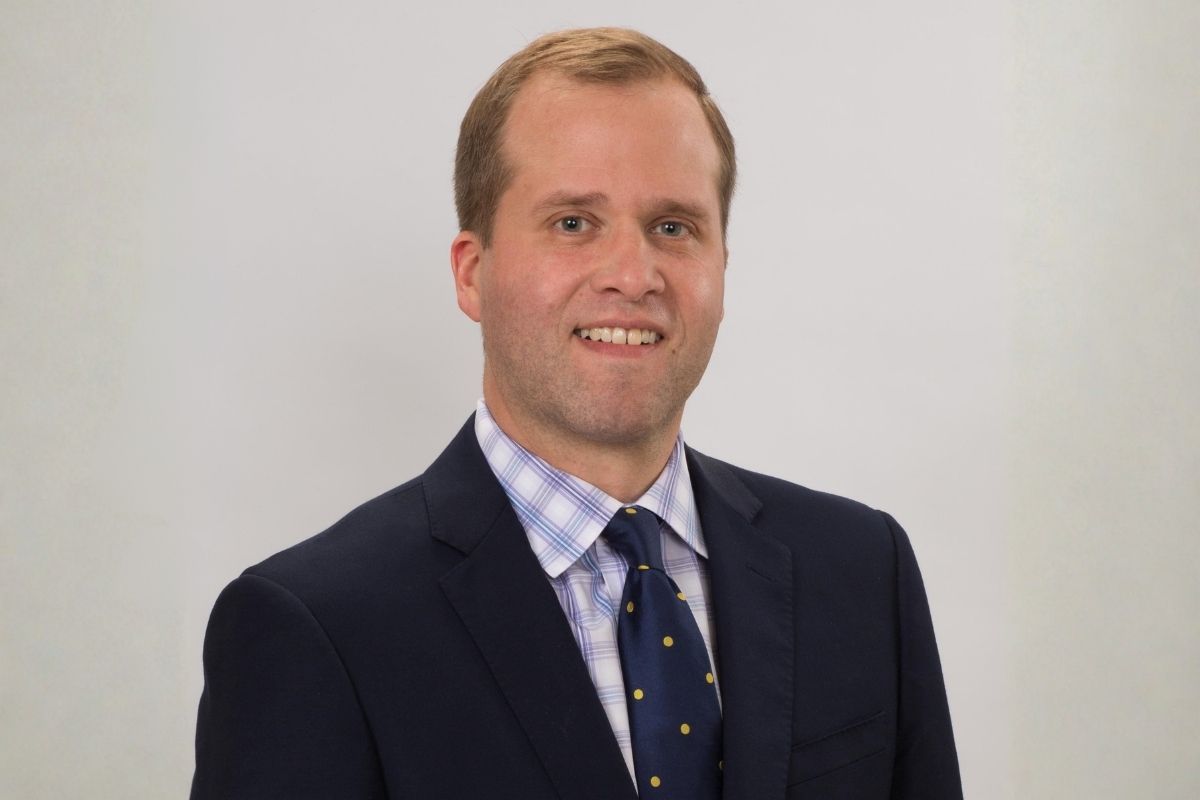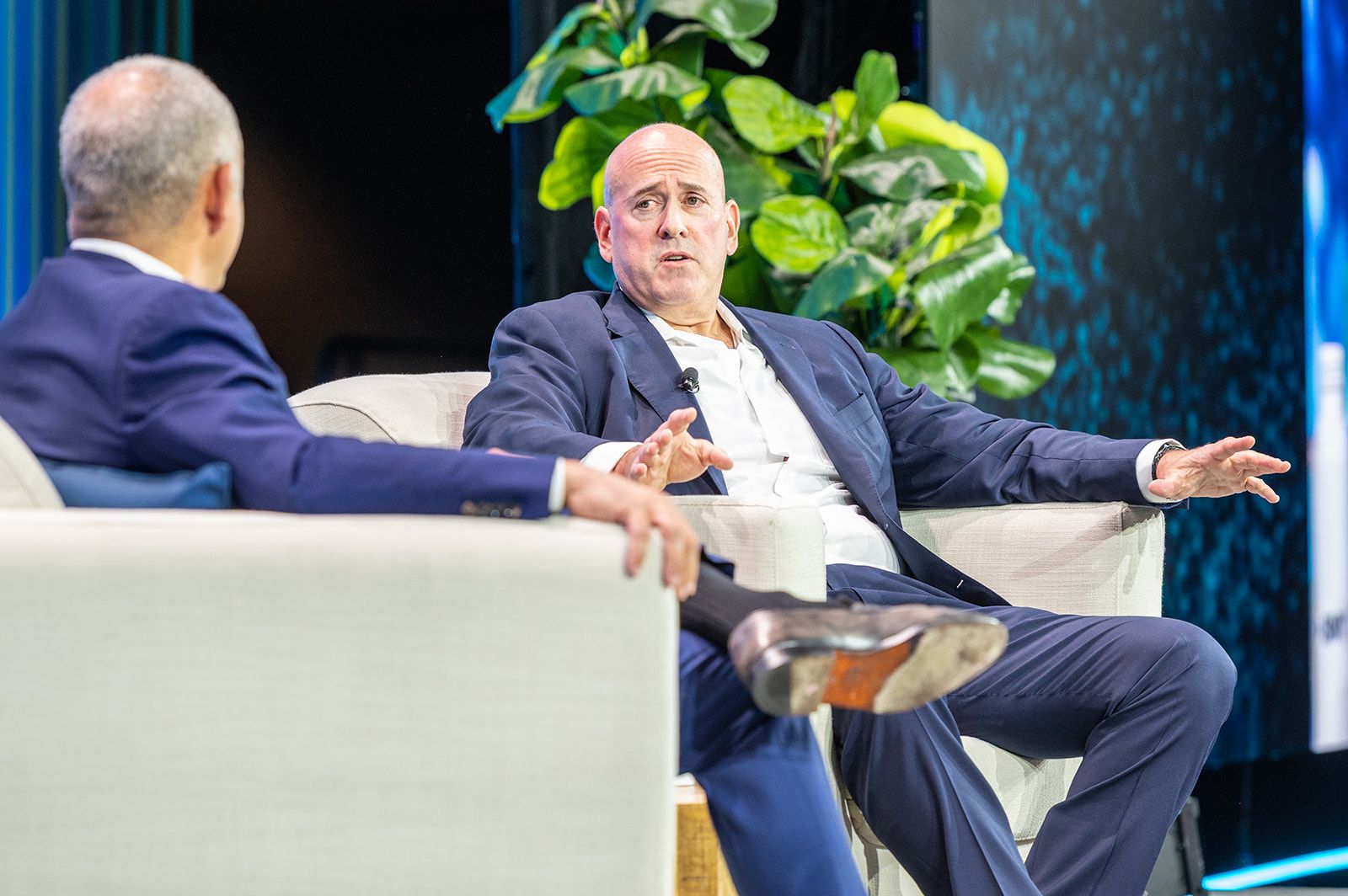
Harvey Schwartz, CEO of The Carlyle Group, was unequivocal during Insite 2026, an event organized by BNY: the world is undergoing a structural reconfiguration of the global economy that will create unique investment opportunities, and the wealth segment will be one of its main drivers.
For Schwartz, the current moment leaves no room for half measures. “I believe this is the most important inflection point in capital formation that I have seen in my lifetime,” he stated. The argument is straightforward: the major trends that shaped finance for decades—disinflation, declining interest rates, manageable deficits, and global economic integration—have either reversed or been put on hold. The only force that continues unabated is technology.
The geopolitical backdrop is central to his analysis. Russia’s invasion of Ukraine, he argued, was “one of the most significant events of this century, perhaps of the last 50 years,” and, together with the conflict in the Middle East, it has completely reshaped government priorities. “Everywhere I go in the world—Japan, South Korea, Beijing, Central Europe—the narrative is always the same: national security, economic growth, and political stability,” he said.
But there has been a key redefinition of that concept. “Historically, national security was synonymous with defense. Now it is a much broader concept: it includes energy security and data security.” And that expansion, according to Schwartz, is precisely where private capital flows will be concentrated over the coming years.
Defense, Energy, and Other Sectors Where Carlyle Sees Opportunities
The Carlyle CEO was specific about the sectors expected to attract investment. Aerospace and defense, industrials, and healthcare top the list, all of them increasingly converging with technological advancement. “Look at all the defense investment announcements around the world: Canada, Europe, Japan. The demand is enormous,” he noted.
However, it was on energy that Schwartz made one of his strongest arguments, and where Carlyle holds a distinctive position. “We were the only major private equity firm that maintained a full energy business when energy was unpopular.” That decision, which at the time may have appeared contrary to consensus, now looks strategic: “The conversation around the world has shifted from ‘energy transition’ to ‘energy diversification,’ which is really code for: I need energy security.” Carlyle’s business in this sector ranges from traditional energy to renewables, covering the entire spectrum.
The underlying thesis is that governments cannot finance this transformation on their own. “Deficits are too large. So where will the capital come from? From banks, public markets, and private capital.” And within that trio, private markets—and the financial advisors who channel them—will play a leading role.
Wealth Management as a Driver of Private Capital
Schwartz was direct about the importance the wealth segment will have in this new cycle. “There are 43 million households in the United States that spend $15 trillion a year. That’s the size of China. All of that wealth needs to be managed by this audience,” he told the advisors in attendance.
The executive described how, upon joining Carlyle, he personally set out to listen to financial advisors before making decisions. “I went and spoke with them directly. I asked them what was important to them, about portfolio construction, what their clients needed. And I was surprised by how sophisticated they are. It bothers me when I read articles saying advisors are confused. They are not confused. They manage enormous pools of wealth, as sophisticated as my institutional client base.”
Regarding the product strategy for this segment, Schwartz emphasized diversification as the guiding principle. “You may not own the winning asset that rises 130% or 40%, but you will mitigate much of the downside risk. And as the industry evolves, you have to build the right vehicles for this audience.” The implicit warning was clear: the world is changing too quickly to bet everything on a single sector. “When I arrived at Carlyle, everyone told me the big gap was software. Three years later, nobody likes software.”
Despite the complexity of the environment, Schwartz concluded on an optimistic note. “I believe all of this can be very, very positive for markets. The marginal returns on that capital will be quite attractive over the next decade.” Geopolitical risk is difficult to quantify, he acknowledged, but it also creates inefficiencies that generate opportunities for those with the scale and sector expertise needed to navigate this environment.