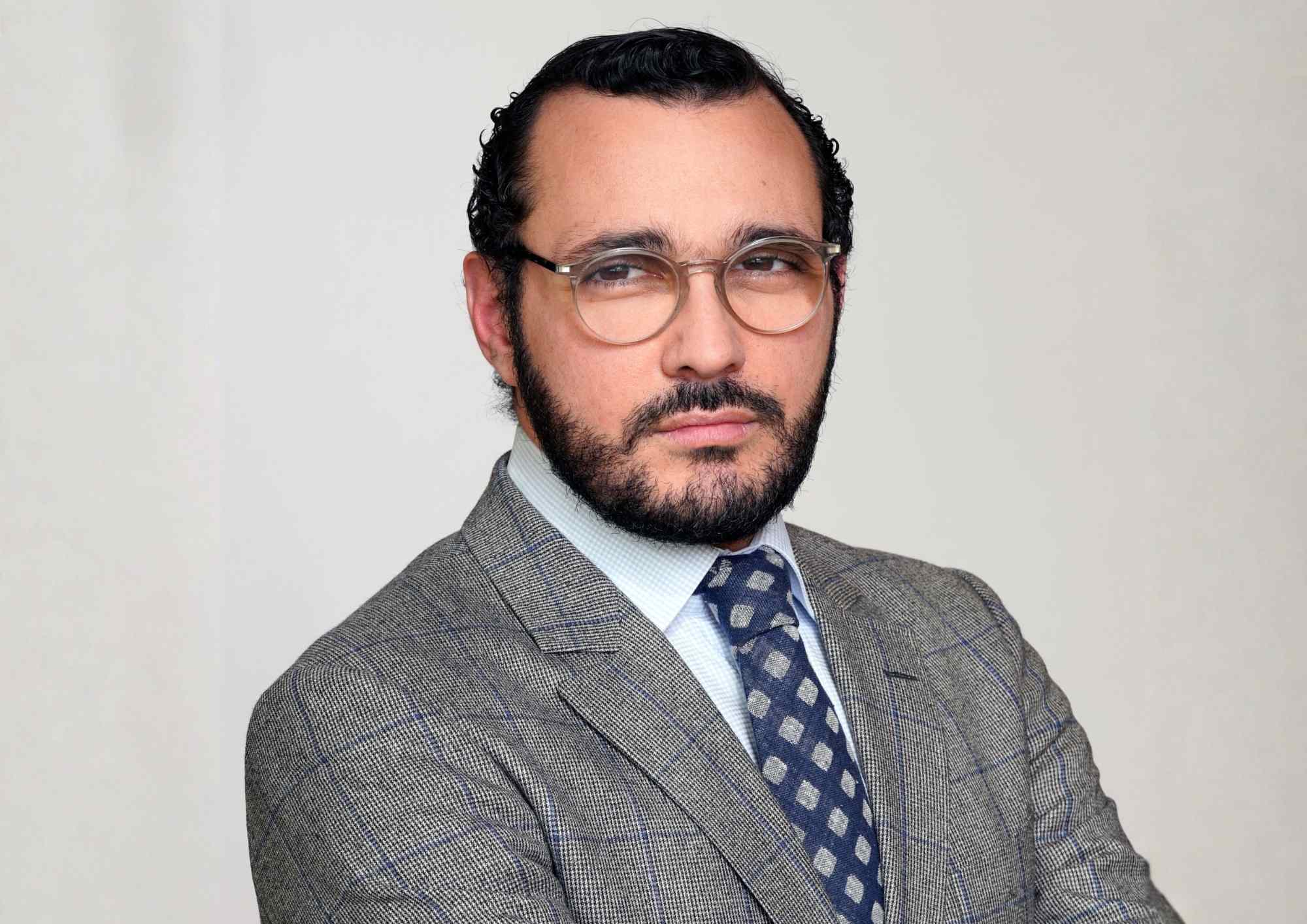
Ricardo Sucre returns to Amerant, marking a new chapter in his career while reinforcing the firm’s international growth strategy. After 12 years at Mercantil Commercebank, nine at Morgan Stanley, and two at Bolton Global Capital, Sucre has stepped into the role of Head of International Wealth Management Sales at Amerant, aiming to drive business development, recruit financial advisors, and support the growth of international books of business.
In a dialogue with Funds Society, the executive outlines the advantages of a platform combining wealth management, banking, brokerage, advisory, and lending, while detailing Amerant’s growth objectives for the coming years. Venezuela once again holds a prominent position within the strategy, while Argentina, Colombia, and Central America stand out as priority markets. Amid growing demand for dollar-denominated assets and access to U.S. markets, Sucre highlights Amerant’s capacity to deliver a comprehensive service relationship to Latin American clients.
You return to Amerant following your initial time at Mercantil Commercebank and your tenure at Morgan Stanley and Bolton Global Capital. What prompted your decision to return?
I worked at Mercantil Commercebank for 12 years between 2002 and 2014, serving in Treasury, Private Banking, and Investments. It was an extraordinary training ground that gave me a solid foundation, enabling me to later explore opportunities at institutions like Morgan Stanley, where I spent nine years, and Bolton Global Capital over the past two years.
Both experiences contributed immensely to my professional development, but I felt a key element was missing: a corporate culture aligned with my principles and an organization close to my roots. Amerant represents precisely that combination. Furthermore, the ability to offer an integrated wealth management and banking platform serves as a unique differentiator in our industry, particularly for the international segment.
How has the institution evolved since your first tenure, both in terms of brand and strategy?
The institution has grown, matured, and significantly diversified its business lines and presence across various international markets. In the specific case of Amerant Investments, we have strengthened a strategic relationship with Pershing spanning over 20 years, allowing us to offer a robust and highly competitive platform. The range of products, services, and solutions available today competes with and even exceeds that of many participants within this market segment.
What does your role as Head of International Wealth Management Sales entail?
My role encompasses three main responsibilities: leading business development efforts and recruiting financial advisors for Amerant Investments’ international platform, highlighting the strengths of an integrated offering of investments and banking services; supporting our existing group of international advisors—seasoned professionals with established books—by helping them optimize their business growth through technology, solutions, and investment products; and managing my own client portfolio, built on long-term relationships over many years. My role retains an important production component that I look forward to continuing to build.
What are your concrete goals for the next 12 to 24 months?
Our goal is to achieve double-digit annual growth in assets under management. To accomplish this, onboarding top-tier advisors with transferable books of business and experience in the international segment will be essential.
Amerant emphasizes an integrated offering. How does that translate in practice for an international client?
In practice, it means a client can hold an investment account—whether brokerage or advisory—custodied at Pershing, alongside a bank account at Amerant Bank. The integration of both platforms provides access to a much broader suite of products and services. A clear example is the ability to secure a portfolio-backed line of credit issued directly by the Bank, combining investment and financing capabilities within a single relationship.
What financial advisor profile are you looking to recruit, and what does Amerant offer compared to independent models like Bolton?
We are seeking advisors with expertise in international business and transferable portfolios who value the benefits of an integrated banking and investment platform. Compared to other models, Amerant offers a unique mix of banking capabilities, investment solutions, specialized financing, and over four decades of experience serving international clients, creating additional opportunities for both advisors and their clients.
Venezuela and the U.S. have been normalizing relations, following the lifting of sanctions on Venezuelan public banking in April of this year. How does this process impact Amerant’s business, given its Venezuelan roots?
Venezuela is part of Amerant’s roots; it is a market we have never walked away from. On the contrary, activity has increased in recent years. Without a doubt, developments following January 3rd have generated renewed interest and expanded growth opportunities.
Do you expect a rebound in capital flows from Venezuela or the diaspora into the U.S.?
Amerant has managed the Venezuelan market for many years—I would venture to say since its founding over 40 years ago. In fact, Venezuela is a market that never stopped growing at Amerant, even during its most challenging periods. Today, since my return to the institution, I can state that Amerant possesses a platform, infrastructure, and team better prepared than ever to capitalize on emerging opportunities.
Beyond Venezuela, which other Latin American markets are priorities?
Argentina, Colombia, and several Central American countries represent priority markets for our international growth strategy. The geographic diversification we have driven over recent years has yielded excellent results, particularly on the Bank’s side.
How do you view international wealth management clients’ demand for dollar assets and U.S. banking in today’s geopolitical environment?
Year after year, we have observed growing demand from international clients to keep their savings, investments, and capital market access based in the United States. Beyond the stability of the dollar and the depth of U.S. financial markets, clients seek institutions that make them feel welcome, understand their specific needs, and deliver solutions tailored to their reality and cultural context.