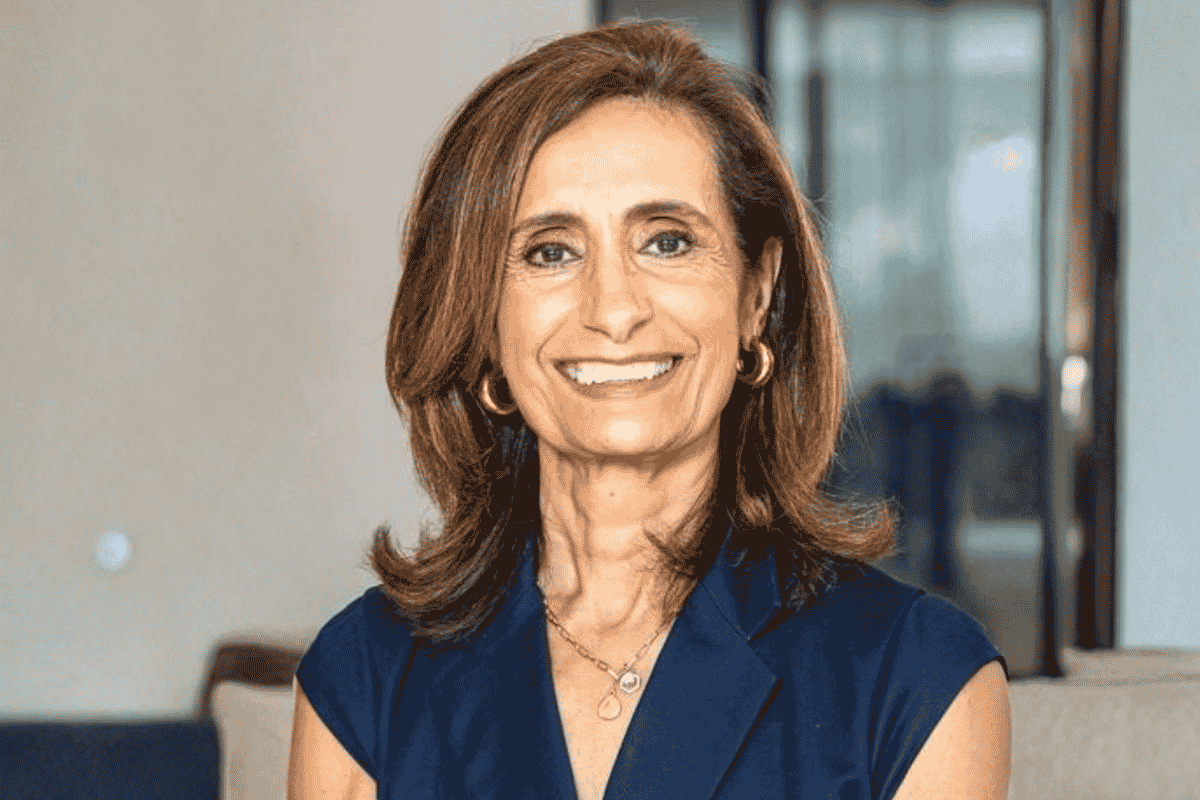
María Hebditch, Managing Director at Insigneo and winner of the Lifetime Achievement of the Year category at the Gen-Wealth Awards by Funds Society in collaboration with CFA Society Miami, is proof that “solid careers in this industry are built over time, with discipline and a genuine focus on providing value,” as she herself acknowledges.
With more than 30 years of experience in the industry, Hebditch continues to emphasize the importance of ongoing education and learning not only from changes in global markets, but also from how client needs evolve. Her vision of this profession, which has passed the most significant market “tests” of recent decades, has led her to set a single goal: “After having built long-term relationships, I would like to continue seeing those families grow and evolve, accompanying new generations in making increasingly complex financial decisions.”
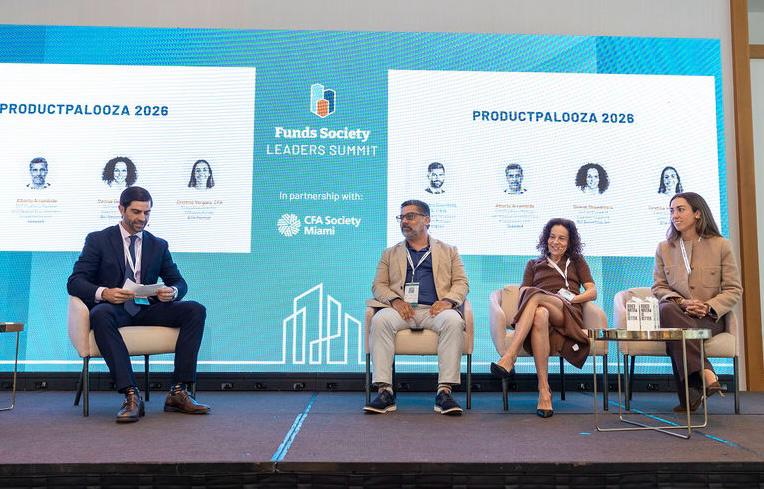
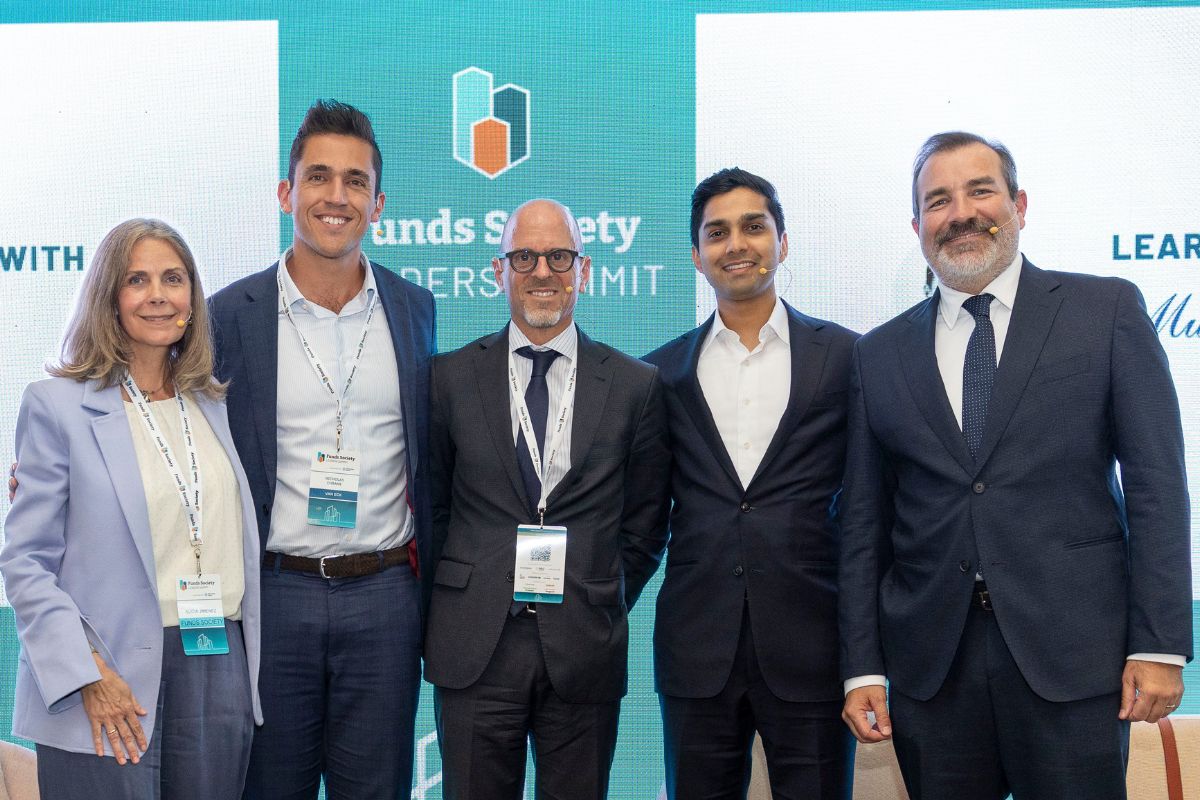
Within the framework of the Gen-Wealth Awards ceremony during the Funds Society Leaders Summit in Miami, we spoke with her to learn her reflections on her career, the industry, and her contribution to the sector.
What have been the most relevant milestones that have shaped your trajectory as a financial advisor?
I would highlight the successful management of portfolios during different economic cycles and financial crises such as the one in 2008. I would also highlight the evolution toward comprehensive advisory, incorporating tax and estate planning. Beyond financial results, one of the most significant achievements has been the trust built over time, reflected in multigenerational relationships: today I have the privilege of advising not only my original clients, but also their children and, in some cases, even their grandchildren.
How has your value proposition for clients evolved over the years, especially in an increasingly sophisticated and global environment?
My value proposition has evolved from a more investment management-focused approach toward comprehensive advisory. Today, clients not only seek returns, but a global view of their wealth. This involves integrating tax planning, estate planning, international structuring, and risk management. Additionally, in a more sophisticated environment, I have incorporated greater diversification, including global and alternative assets.
In your experience, what structural changes have defined the evolution of wealth management in the U.S. and in Miami in particular?
In the U.S., I would highlight three major structural changes: first, increased regulation and transparency; second, the globalization of investments, which has significantly expanded the universe of opportunities; and third, the growing sophistication of clients, who now demand more comprehensive and personalized solutions. In Miami, these changes have been amplified by its positioning as a gateway for international capital. The city has evolved into a key financial center for Latin America, with a growing concentration of clients requiring cross-border advisory, efficient structures, and a global perspective. This has raised the level of demand and professionalization in the industry.
Miami has consolidated itself as a key hub for international investors. How has this dynamic influenced your client base and your advisory approach?
In my particular case, I have focused on Mexican clients who previously had stronger ties to markets such as Houston or San Diego, and who now see Miami as a key hub. This has raised the level of sophistication and driven a much more global and structured advisory approach.
What motivated you to join Insigneo Advisory Services, and what does this firm contribute to your advisory model?
My decision to join Insigneo was heavily influenced by the fact that my two children were already part of the firm and were very satisfied with its culture and platform. Beyond that, Insigneo offers a solid platform, with multi-custody and open architecture, as well as an increasingly relevant focus on Latin America. Additionally, it provides strong support in market analysis and resources across different advisory areas, which allows me to complement and strengthen my day-to-day work as an advisor. All of this, together with the possibility of ensuring continuity for my business, were the main reasons.
Throughout your career, what do you believe is the key to managing different market cycles? What key lessons would you pass on to current investors?
The key has been maintaining a long-term perspective and discipline in decision-making. Market cycles are inevitable, but what matters is avoiding emotional decisions in moments of volatility and maintaining proper diversification. One of the main lessons is that capital preservation is just as important as growth. And that planning, beyond the short term, is what truly allows one to navigate different market environments successfully. To today’s investors, I would say to remain consistent in their strategy and rely on professional advice to avoid reacting impulsively.
Looking ahead, how do you think the role of the financial advisor will evolve in the coming years?
I believe the advisor’s role will evolve toward an even more strategic and comprehensive figure. Investment management will remain important, but the real value will lie in the ability to integrate different aspects of wealth: tax planning, estate planning, and coordination with other specialists. Additionally, technology will play an increasingly relevant role. However, the human component—trust, judgment, and closeness—will remain irreplaceable.
If we now focus on younger colleagues in the industry, what three values do you admire in them?
First, their ability to adapt to technology and new tools, which allows them to be highly efficient. Second, their global mindset, with a more open view toward different opportunities and markets. And third, their interest in innovation and in questioning traditional models, which is key to the industry’s evolution.
If you had to give advice to a young financial advisor starting their professional career now, what would you say?
I would tell them to prioritize building long-term trust-based relationships over short-term results. This is a profession based on credibility and consistency. Also, to invest in continuous education, not only in financial topics, but in understanding the client as a whole: their goals, their family context. And finally, to be patient. Solid careers in this industry are built over time, with discipline and a genuine focus on providing value.