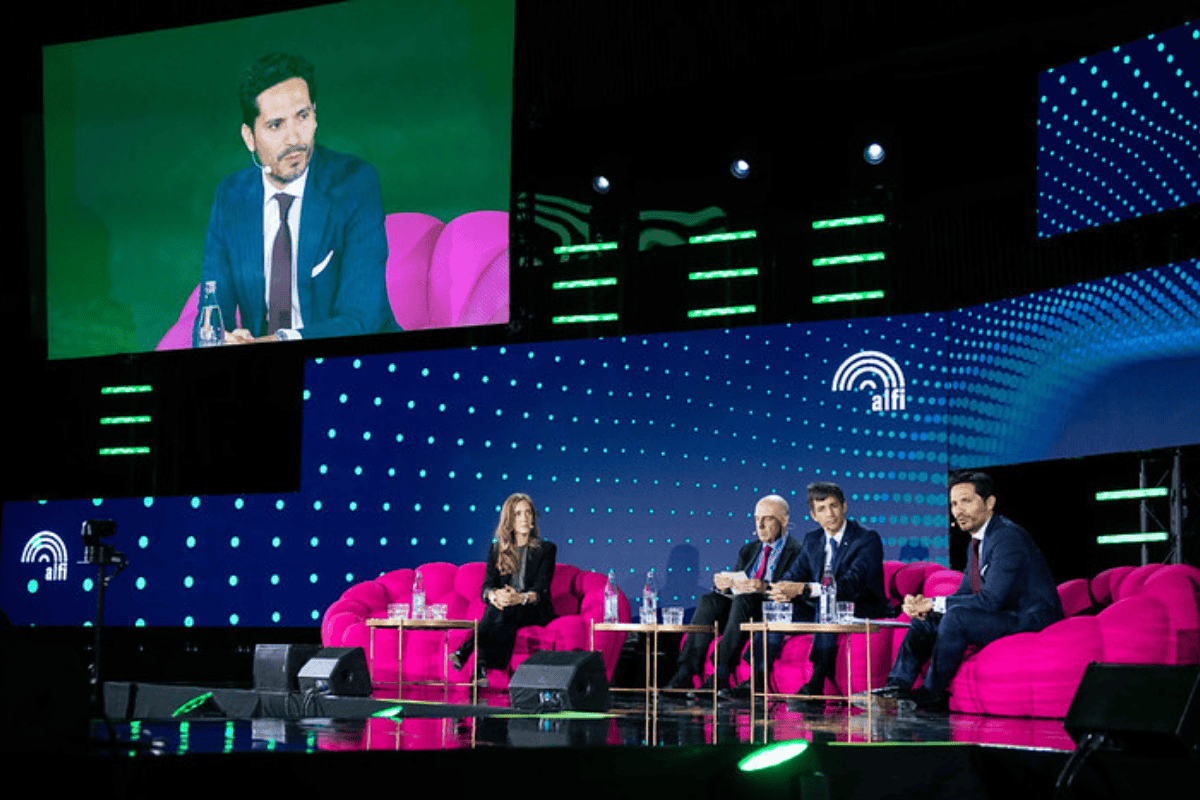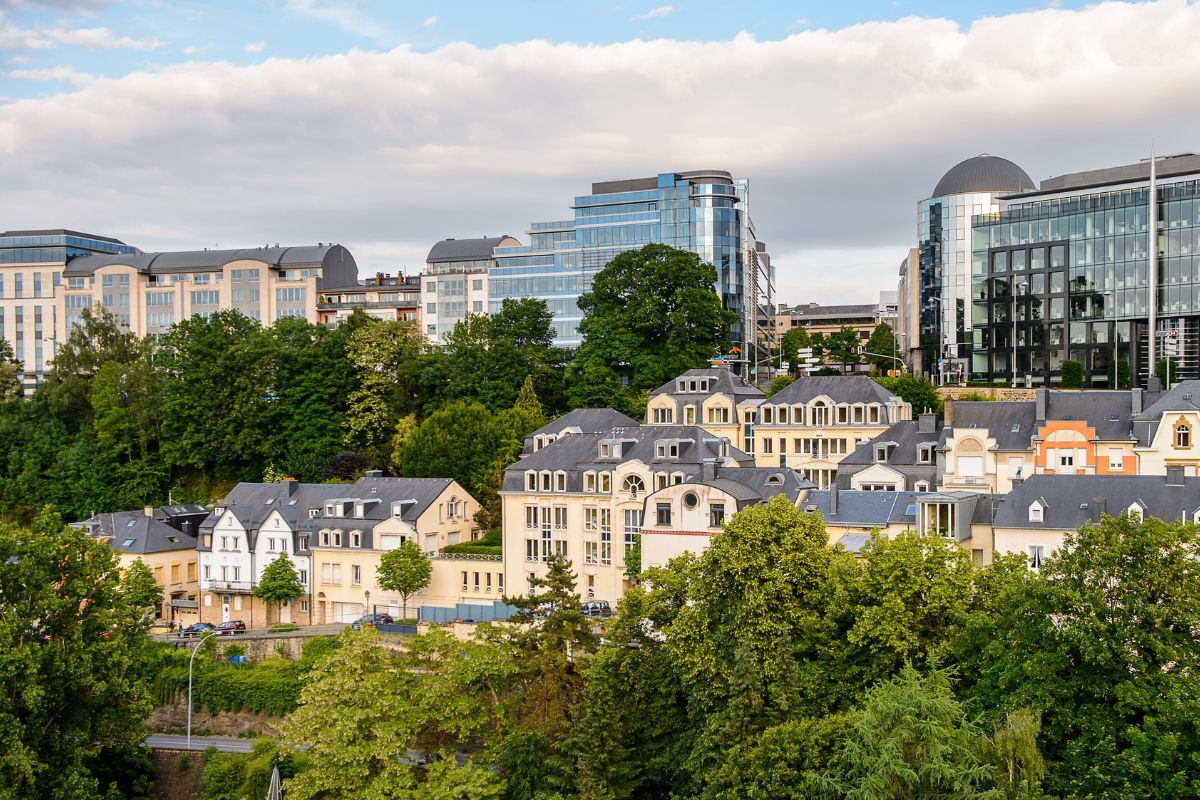
Luxembourg consolidated its position in 2025 as Europe’s leading fund domicile, with assets under management reaching 8.3 trillion euros, driven by the continued growth of alternative assets, ETFs, and sustainable finance. The industry association ALFI advanced the Savings and Investments Union agenda through the publication of its “SIU Blueprint” and the study “Europe’s Productive Capital Gap,” carried out together with McGill University.
ALFI’s annual report also highlights how fund tokenization has moved from the experimental phase into a scaling stage, supported by the development of distributed ledger technology (DLT), Luxembourg’s Blockchain IV Law, and growing market adoption. At the same time, ETFs continued gaining momentum, surpassing 500 billion euros in assets, while artificial intelligence is progressively being incorporated into multiple industry processes to improve operational efficiency and client experience. The regulatory framework also continued evolving, with particular attention on AIFMD II, liquidity management tools, valuation, AML/CFT regulation, the creation of AMLA, as well as developments related to EMIR, CSDR, T+1, the Retail Investment Strategy, DORA, and SFDR.
ALFI also strengthened its collaborative approach with the launch of the Member Collaboration Hub, a digital platform integrating industry content, collaborative workspaces, and the AI-based assistant ALFIBot. During 2025, the association organized 49 events across eight countries, with more than 12,000 registered participants, and promoted new initiatives such as Digifund, the Leadership Seminar, and the Conducting Officers Seminar. Talent development remained a strategic priority, with support for two specialized master’s programs in advanced financial management and private assets.
According to Serge Weyland, CEO of ALFI, tokenization and artificial intelligence will be transformative for the industry: “They will profoundly change access to financial products and the structure and distribution of investment funds.”
Along the same lines, Corinne Lamesch, Deputy CEO of ALFI, emphasized that recent reforms strengthen Luxembourg’s competitiveness as a European fund center by adapting its legal and tax framework to new market needs. The report also underscores Europe’s challenge of connecting savings with investment by promoting retail participation and financial education through initiatives such as Personal Investing Day and the joint ALFI/McGill study.
Sustainable finance remains a structural pillar of the sector, with Luxembourg consolidating itself as one of Europe’s leading hubs for sustainable investment in both public and private markets. At the same time, the importance of markets outside Europe continues to grow, with Asia, Latin America, and the Middle East gaining prominence as key destinations for Luxembourg’s fund industry.
According to Britta Borneff, CMO of ALFI, Luxembourg has evolved into a global hub for structuring and channeling international capital. Looking ahead, Jean-Marc Goy, President of ALFI, stated that the goal is to strengthen the country’s global competitiveness through innovation, regulatory excellence, and closer ties with society by expanding access to capital markets and promoting long-term savings.

 By Alicia Miguel