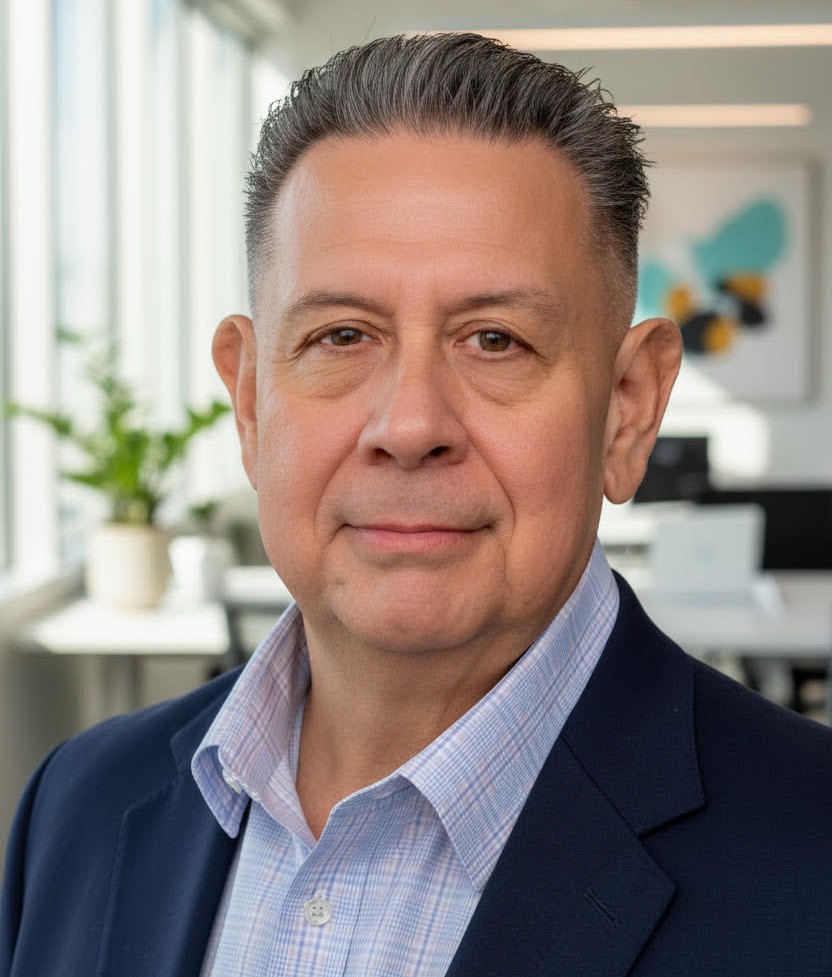
Doc Horn is Global Head of Total Return Equities at Pictet AM and a hedge fund expert. He joined the firm 1 decade ago and has since witnessed the evolution of this vehicle class. Specifically, he has overseen specialized UCITS teams across this asset class in Geneva, London, Tokyo, Singapore, and Hong Kong. We sat down with him to discuss the popularity and role of hedge funds in investor portfolios, and how private banks and wealth clients are increasingly demanding them.
To what extent is the hedge fund industry attracting capital not to outperform the market, but rather to serve as the true cushion or yield replacement that bonds no longer deliver during periods of stress?
Investors seek to diversify their portfolios following substantial gains in recent years to enhance capital preservation. However, fixed income has proven less reliable as an uncorrelated diversifier during stress scenarios. Bond markets have disappointed since 2022. Consequently, the traditional 60% equity / 40% fixed income portfolio is increasingly questioned for its vulnerability to macroeconomic shocks amid concentrated equity markets and elevated valuations.
In the current market backdrop, what role can hedge funds play in investor portfolios, and what value can they deliver?
Hedge funds are attracting renewed interest as investors seek returns less dependent on market timing and greater diversification to enhance risk-return profiles. In this regard, select managers can identify winners and losers, capture relative-value opportunities, and take tactical exposure to opportunistic setups. Instead of competing with passive investments, they can complement them by introducing differentiated return streams and more targeted risk exposures.
Across which strategies do you believe hedge funds can deliver the most value, and where do you identify the primary opportunities?
Different hedge fund strategies tend to perform well across distinct market environments. For instance, in January and February, fundamental-driven and event-driven strategies delivered particularly strong results. In April, macroeconomic headlines served as the primary catalyst, creating opportunities for macro and relative-value strategies. Meanwhile, directional long/short strategies can replace portions of directional equity exposure. For their part, certain hedge funds can provide an attractive yield component paired with the downside protection many allocators require. Others deliver amplified exposure by concentrating leverage across a smaller set of positions.
In our view, the greatest opportunities stem from combining these distinct return sources in the right manner. That is why our hedge fund strategies are deliberately diversified, maintaining low cross-asset correlations. Some are fundamentally driven with low turnover and multi-year investment horizons, while others trade actively, exploiting short-term market dislocations. This breadth establishes a resilient framework for navigating a wide array of macroeconomic regimes.
What do you view as the primary hurdle preventing investors from allocating to hedge funds?
Hedge funds do not constitute a homogeneous asset class, and investor sophistication varies significantly; thus, one key challenge is ensuring allocators understand the specific mechanics of the vehicles they select. Concerns typically center on predictability, transparency, and portfolio role within broad asset allocations. Investors must grasp how distinct strategies behave across varying market regimes.
Equity long/short, global macro, relative value, event-driven, and multi-strategy setups can exhibit fundamentally different return drivers, liquidity profiles, maximum drawdown dynamics, and correlations, making it critical for allocators to understand these nuances. Generating alpha remains essential, but the conversion of gross alpha into consistent net returns has become equally critical, requiring full transparency around fees, operational expenses, and net performance. Liquidity also remains a decisive prerequisite for investor comfort.
As a portfolio manager, what do you view as the critical factors for executing a successful hedge fund strategy?
The cornerstone of success is delivering differentiated, consistent alpha with minimal correlation to broad market risk premia alongside robust downside mitigation, complemented by the agility to tactically monetize dislocations as they emerge. Strong governance frameworks, incentive alignment, operational liquidity, fee transparency, and disciplined risk management are equally indispensable. For our UCITS hedge fund platform, underlying assets must remain liquid so investors retain seamless capital access, while empowering managers to capture global opportunities—frequently through allocations that are structurally less concentrated in the U.S. and tilted toward emerging markets.
How does Pictet’s hedge fund franchise compete to attract elite traders and portfolio managers while maintaining the cost discipline and infrastructure stability demanded by a traditional private bank?
Gross alpha efficiency is becoming increasingly critical, as operational overhead and expenses can create a substantial performance drag. Investors must not look solely at net return figures, but also analyze the gross return from which those gains derive and determine how much capital is retained after costs. The hedge fund industry remains fiercely competitive. The structural edge lies in organizational architecture and the capacity to attract, develop, and retain elite talent. In that regard, top-tier hedge funds increasingly resemble elite sports teams, where superior long-term performance hinges as much on talent and culture as on process. Firms must present clear, differentiated value propositions to win the war for talent, encompassing institutional culture, robust risk frameworks, and long-term career progression. This is why we have engineered an environment where exceptional managers can generate repeatable outcomes. Culture, incentive alignment, and managerial succession planning carry equal weight to research and analytical budgets. A portfolio manager joining our platform may ultimately earn the mandate to launch a standalone vehicle. Initially, their strategy is integrated within one of our multi-strategy portfolios, allowing us to evaluate operational viability. Through this framework, we have successfully launched multiple standalone funds across our 20-year history.