After years of operating without a physical headquarters, CFA Society Brasil has entered a new phase of expansion. The association, which brings together professionals in the country certified by the CFA Institute, reopened its office in São Paulo this year. The goal is to use the new facilities as a base for expanding its influence in the financial market, strengthening its presence beyond the Rio–São Paulo corridor, and increasing the number of events and educational initiatives it offers.
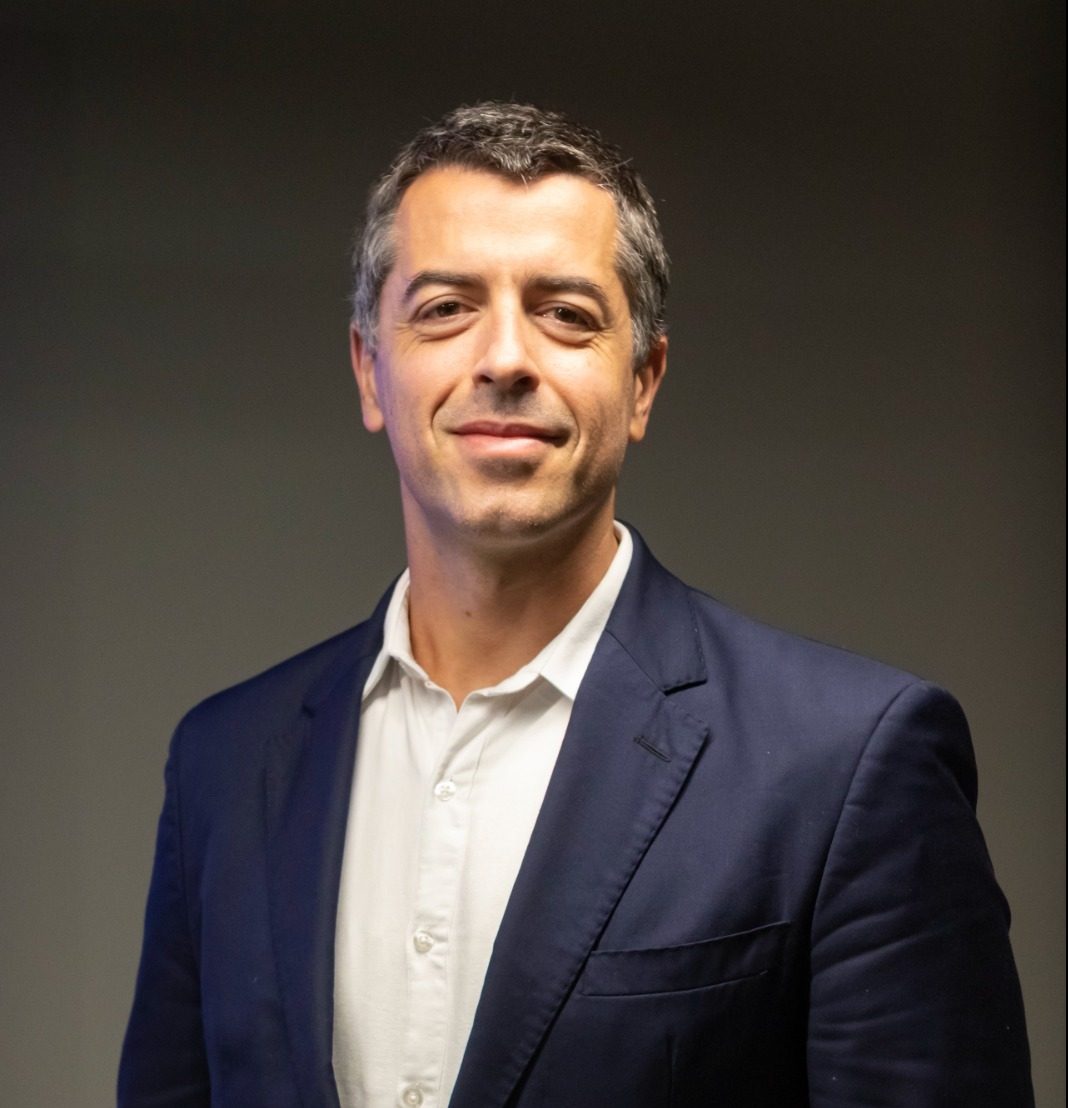
“The Society remained active over the past few years, but we believe we can do much more with the return of the office,” says Lucas Dolabela Barcellos Correa, President of CFA Society Brasil, in an interview with Funds Society conducted at the institution’s new headquarters. The office opened on May 27 on Fidêncio Ramos Street, in the Vila Olímpia neighborhood. “We want to attract new candidates, create value for our members, and positively influence the market,” he says.
The decision to close the previous office was made during the pandemic. Because the CFA exams required in-person attendance and there was uncertainty about how long the health crisis would last, both the CFA Institute and local societies implemented cost-cutting measures. The Brazilian headquarters, located in the Faria Lima district, closed in 2020.
According to the president, the lack of a physical headquarters somewhat limited the organization’s ability to coordinate and integrate its activities, even though the Society continued promoting events and initiatives throughout that period.
“When you dismantle an office, it may seem like you’re only losing a physical space, but it involves much more than that. It’s about having the team together and having a central location for activities. We lost some of that,” he says. CFA Society Brasil currently has 1,822 members and plans to use the new office to expand its role in discussions on the development of Brazil’s capital markets.
“We remain very focused on broadening the reach of our initiatives and strengthening our presence among the market’s key players,” Correa says.
Part of this strategy involves strengthening ties with higher education institutions and training new professionals. The organization continues to run initiatives such as the Research Challenge—a global equity research competition for university students—and seeks to expand its presence at educational institutions outside the traditional hubs for training financial market professionals.
“We need to have a stronger presence at universities,” he says. According to Correa, the idea is to introduce students to the profession early in their careers and present the CFA designation as an option for professional development.
The expansion also includes an institutional engagement agenda. The Society regularly participates in public consultations organized by the Brazilian Securities and Exchange Commission (CVM), maintains dialogue with organizations such as Anbima and Previc, and seeks to contribute to discussions on financial market regulation and best practices.
“We try to be present and express our views in ways that help guide the market in the right direction,” he says.
Another initiative to broaden the organization’s reach is the introduction of specialized certifications developed by the CFA Institute. In addition to the traditional CFA Program, the Institute has been creating credentials aimed at specific market niches, such as ESG, private markets, and Investment Foundations.
A key development is that some of these certifications are expected to be translated into Portuguese over the next few years, reducing one of the main barriers to entry for Brazilian professionals.
“Translating these certifications into Portuguese will be very beneficial in attracting more people to our community,” Correa says.
However, the change has sparked internal discussions among CFA societies worldwide. Since these programs do not require candidates to complete the full CFA Program, it has not yet been decided whether professionals who earn these new credentials will be eligible for membership in local societies.
“For now, it’s an open question. We’re seeing a different audience profile from the traditional CFA Charterholder, and we’re still discussing how this fits within the Society,” he says.
According to Correa, this is a strategic issue for the organization. On the one hand, these certifications could significantly broaden the reach of the CFA brand; on the other, they introduce a new type of professional into the organization’s ecosystem.
Expansion Beyond São Paulo
Although nearly 80% of its members are concentrated in São Paulo, the organization aims to expand its regional reach. Plans include holding events in state capitals such as Belo Horizonte, Porto Alegre, Brasília, and Curitiba, as well as fostering closer ties with universities and professionals in other parts of the country.
“We need to have more influence outside this region as well. It makes sense to have a stronger presence beyond the traditional financial hub,” the executive says.
In addition to geographic expansion, the Society aims to increase the prominence of its events and strengthen relationships with members throughout the country. The plan is to use the new office as a meeting place for discussions on investments, regulation, financial education, and the development of the capital markets.
Attracting New Professionals
The growth strategy also includes training new CFA candidates. The organization runs university programs—such as the Research Challenge, a global equity research competition—and initiatives aimed at integrating women into the financial sector.
One highlight is the Women in Investment Management (YouWIM) program, which selects female university students for an immersive experience in the financial market and seeks to connect them with internship opportunities at banks, asset managers, and other financial institutions.
“We want to bring more women into the financial market,” Correa says.
According to him, the initiative seeks to increase female representation in a sector historically dominated by men while introducing future professionals to the CFA ecosystem during their university years.
Correa emphasizes that the goal is to expand the reach of the certification without compromising the technical rigor that defines the program. Today, only a small fraction of Brazilian financial market professionals hold the designation.
“We’re talking about roughly 1,800 people in a market that may have between 500,000 and 700,000 professionals. It’s an extremely powerful differentiator,” he says.
He also notes that the CFA Program requires approximately 900 hours of study spread across three exam levels, and only a portion of candidates complete the entire process without failing an exam.
Ethics as a Core Value
Although the market often associates the certification with technical investment expertise, Correa says the organization’s primary mission remains promoting the highest ethical standards of the profession.
“Here we’ve talked a lot about valuation, discounted cash flow, and technical skills. But the CFA was founded, to a large extent, on ethics. It’s a recurring subject in every exam and one we reaffirm every year,” he says.
In his view, the Society’s role extends beyond professional education; it also involves participating in public consultations, regulatory debates, and discussions about the future of Brazil’s financial market.
“We want to be the industry’s benchmark and the gold standard for ethics,” he concludes.
Who Is Lucas Dolabela Barcellos Correa?
The current President of CFA Society Brasil, Lucas Dolabela Barcellos Correa, built his career in the financial market before moving into the corporate sector. A graduate of IBMEC, he began his career at Itaú BBA, where he spent several years working in product- and client-related roles. He earned the CFA charter in 2015 and soon afterward joined the organization’s board of directors.
After completing an MBA abroad, he returned to Brazil to launch Horizonte Capital, an investment vehicle focused on acquiring small and medium-sized businesses. He later transitioned to the real economy and currently serves as Chief Financial Officer (CFO) of Dome Serviços Integrados, a logistics company associated with the Port of Açu that specializes in supporting offshore operations for the oil and gas industry.
Correa’s own professional trajectory reflects one of the changes that CFA Society Brasil seeks to communicate to the market: the certification is no longer limited exclusively to investment managers and analysts.
According to him, an increasing number of professionals in the real economy—such as CFOs, corporate finance executives, and specialists in mergers and acquisitions (M&A) and financial planning—are pursuing the program to deepen their technical knowledge and advance their careers.
“More and more people within companies are seeking this knowledge to set themselves apart. Today I’m a CFO, and I still see tremendous value in the CFA,” he says.