Geopolitics and the agreement to reopen the Strait of Hormuz—which is expected to provide relief to markets—set the stage for a week in which inflation and monetary policy return to the forefront. It is a busy week for central banks, with the Bank of Japan (BoJ) expected to raise interest rates by 25 basis points, while the Federal Reserve and the Bank of England (BoE) are both expected to leave rates unchanged.
What these three institutions have in common—along with the European Central Bank (ECB), which met last week and raised rates by 25 basis points—is that persistent inflationary pressures are testing their resolve. Undoubtedly, the announced peace agreement between Iran and the United States adds a new dimension to the current environment and to inflation expectations.
“After weeks of negotiations and swings between optimism and pessimism, it appears that a key diplomatic milestone has been reached to bring the war with Iran to an end. There will be setbacks along the way, but the path out of the crisis now seems clear. The energy crisis has been far less threatening than feared, as markets have once again demonstrated their resilience. While several long-term uncertainties remain, energy markets appear to be heading back toward a situation similar to the previous one, where oversupply dominates. We maintain our cautious outlook and expect further downward pressure on oil prices,” says Norbert Rücker, Head of Economics and Next Generation Research at Julius Baer.
According to investment managers, global central banks—including the Fed—are likely to maintain a hawkish stance to combat persistent energy-related inflationary pressures. Raphael Olszyna-Marzys, International Economist at J. Safra Sarasin Sustainable AM, argues that this stance is reinforced by oil prices remaining at around $85 per barrel, adding approximately one percentage point to inflation this year. “In addition, the prolonged closure of the Strait has already triggered visible second-round inflation effects. At the same time, extremely tight credit spreads leave very little room for further compression,” he notes.
Focus on the Fed: Growth and Inflation
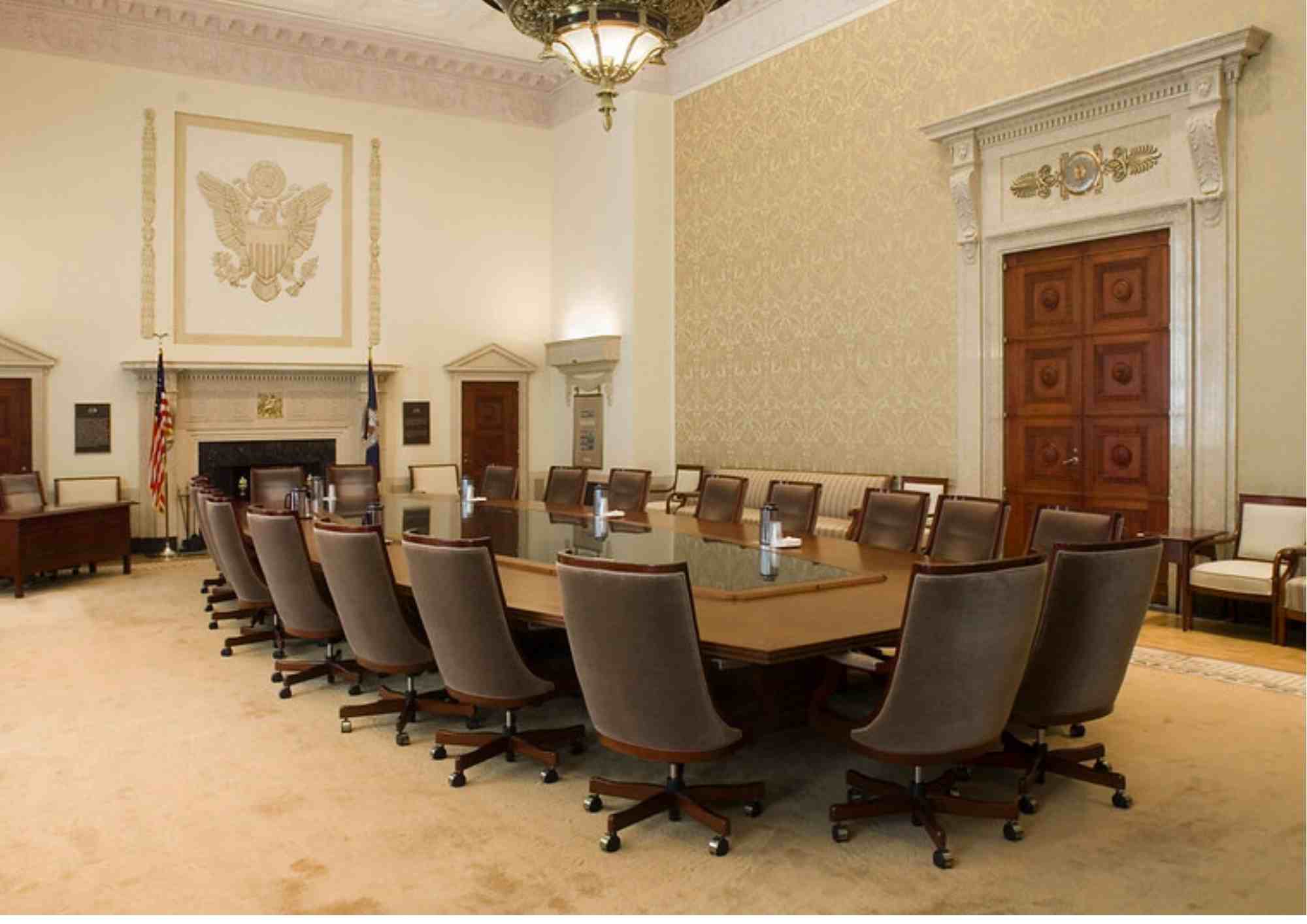
However, the greatest attention is focused on the Federal Reserve, and not only because it marks Kevin Warsh’s first meeting as Fed Chair. “While Donald Trump continues to call for rate cuts and some observers still expect one, the arguments in favor of such a monetary policy move do not withstand even the most basic analysis,” says Enguerrand Artaz, strategist at La Financière de l’Échiquier (LFDE).
From a growth perspective, the recent trend has been decidedly positive: economic growth remains solid, investment continues to expand thanks to AI, and the labor market is once again strengthening, with more sectors participating in the recovery. “This last point is especially important because, beyond being positive for consumer spending, it directly affects one of the Federal Reserve’s two mandates,” Artaz adds.
As for inflation, the latest figures clearly show an increase driven primarily—as expected—by higher energy prices, but also by a faster rise in services inflation, which is far more troubling for the Fed. Services inflation was the central concern during the Fed’s tightening cycle and, unlike energy prices, is not directly linked to the consequences of the conflict with Iran.
In other words, according to Artaz, “the Fed is simultaneously facing a resurgence in inflation—even excluding energy—and an economic cycle that continues to accelerate. It is difficult to envision a rate cut in such an environment, and markets are already pricing in a rate hike in 2026. Nevertheless, it is highly likely that Kevin Warsh, the new Fed Chair, will at least try to preserve the status quo for as long as possible amid pressure from the White House.”
Warsh’s First Meeting
Regarding what to expect from Warsh’s first meeting as Fed Chair, most investment managers expect the Federal Open Market Committee (FOMC) to leave the federal funds target range unchanged at 3.50%–3.75%, in line with market consensus and investor expectations. They also agree that he may remove the accommodative bias that has been in place since the current easing cycle began in September 2024. For some, this shift in tone would reflect a more balanced approach and, above all, growing concern over persistent inflation.
“The new Chair, Kevin Warsh, faces his first meeting in an especially complex environment. He inherits the most divided committee in more than three decades: three voting members had already opposed the accommodative bias in April, while outgoing Governor Stephen Miran once again voted in favor of a rate cut. The minutes make it clear that the committee’s internal balance has shifted toward a more hawkish stance, given the increasing uncertainty surrounding the duration and economic impact of the conflict in the Middle East. Recent data have done little to dispel those concerns,” says Michael Krautzberger, CIO of Global Public Markets at Allianz Global Investors.
According to Alessia Berardi, Head of Global Macroeconomics at the Amundi Investment Institute, this week’s meeting is not really about interest rates. “There is not much focus on rates themselves, but rather on Kevin Warsh’s first press conference and how he will balance the demands of President Trump with those of the bond market. Inflation is rising and the economy remains resilient—particularly the labor market, which is not cooling. The emerging agreement with Iran may make that balancing act easier for now. Questions about the balance sheet are expected during the press conference, although there are unlikely to be any clear answers.”
Finally, Benoit Anne, Senior Managing Director and Head of the Investment Insight Group at MFS Investment Management, highlights two key questions ahead of this week’s meeting: Will the median projection indicate no change in interest rates throughout 2026, which seems plausible? And will it continue to point toward some degree of monetary easing in 2027?
In his view, the broader issue is how the Fed’s communication strategy will evolve going forward. “This matters because Fed signals continue to move markets. The era of forward guidance may be coming to an end. Looking back, this tool appears to have gradually lost its effectiveness. It worked when interest rates were low and stable, and when the macroeconomic environment seemed relatively predictable. Going forward, we believe the Fed faces a challenging environment: persistent inflation, political pressure, and the challenge for a new Chair of building consensus around monetary policy,” Anne concludes.