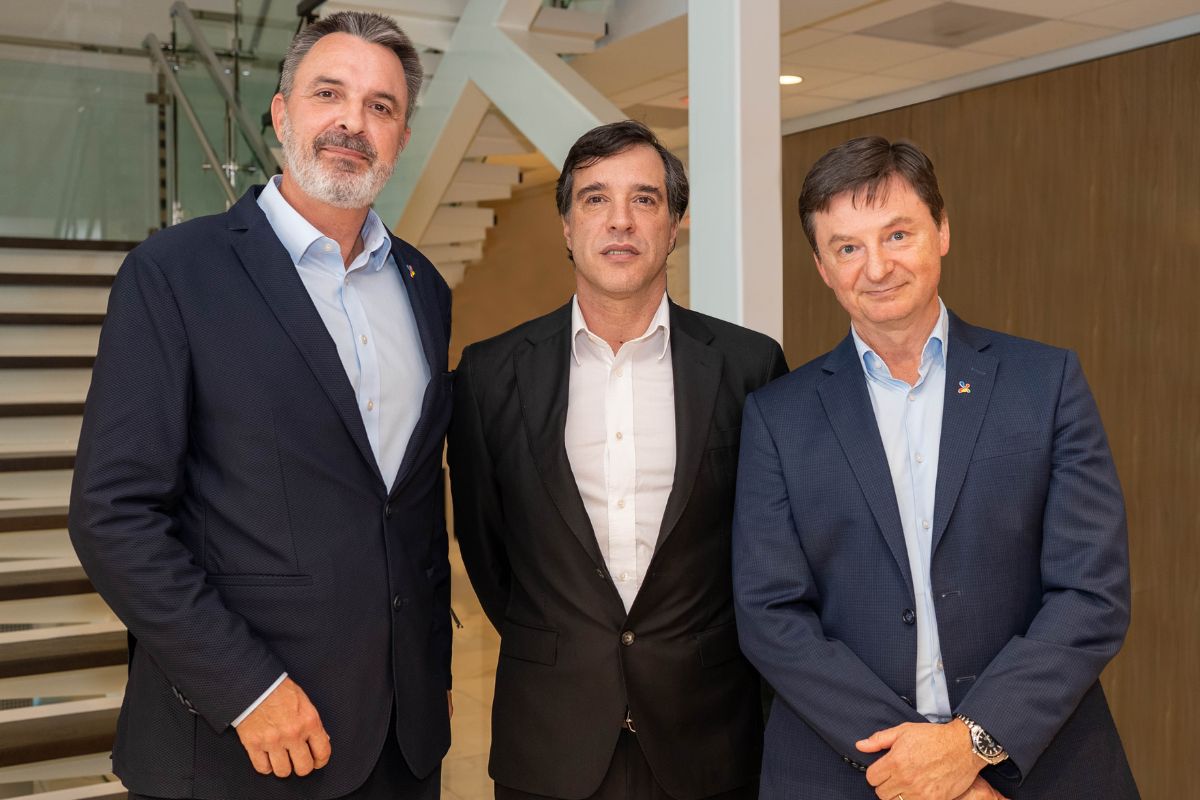
Over ten years of operating in Miami, Bci Securities has learned a great deal by observing the evolution of the offshore wealth management industry and the Latin American investors it serves. As client needs have become more mature and sophisticated, competitive advantages increasingly lie in areas such as global diversification and truly comprehensive advisory services that go beyond simply providing products for the international portion of portfolios. This is the formula the Chilean-owned brokerage and wealth management firm is relying on to continue growing.
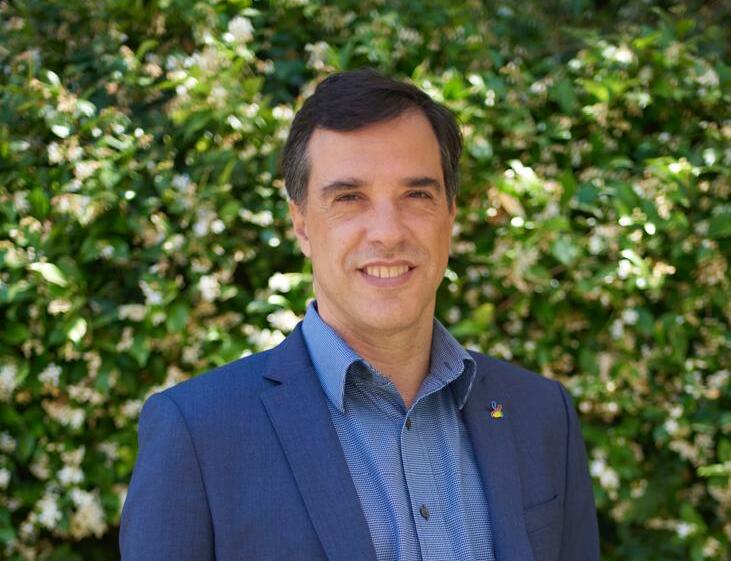
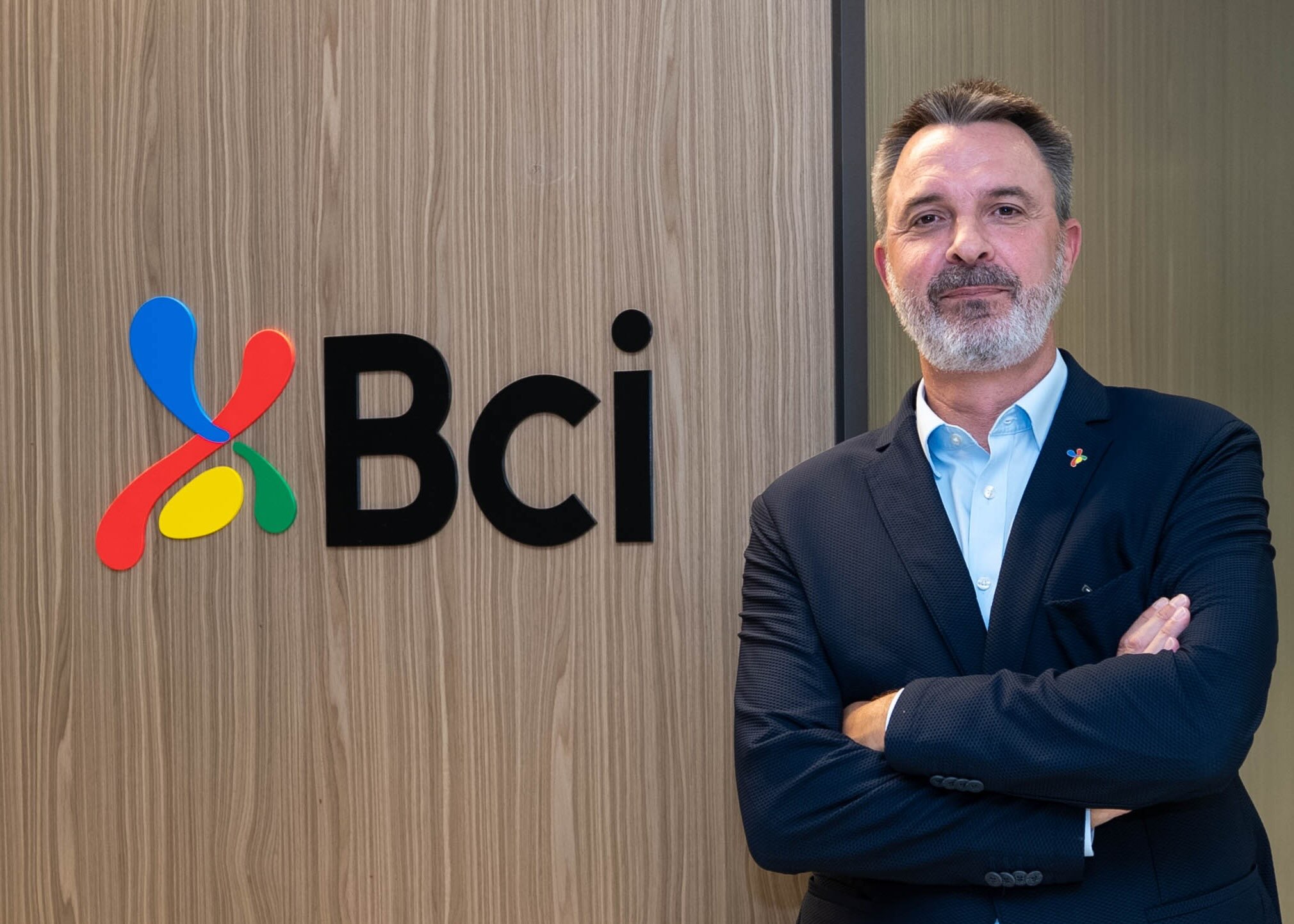
“The core of our client base has remained the same. They are high-net-worth individuals, entrepreneurial families, and Latin American companies seeking to diversify assets outside the region and access global markets with expert advice. What has changed is the depth with which we can support them,” Carlos Martin, CEO of the firm, told Funds Society.
Since opening its first account in March 2016, the firm has become an important part of Bci’s international platform, the executive noted. Looking ahead, he sees positive prospects for the wealth management business in the United States, particularly in Florida.
The financial group’s goal in the U.S. market is ambitious: to double its client base in the Sunshine State by 2029, focusing on Latin American individuals and businesses. The plan is to leverage the group’s strengths—which connect Chile, the United States, and Peru—and offer a robust service proposition for the high-net-worth segment.
International Investing
According to the CEO of Bci Securities, one of the main trends observed in recent years has been a growing need for international diversification, both geographically and across asset classes.
“Clients are looking to reduce their concentration in local risks and gain access to global opportunities, especially in the United States and developed markets,” he explains.
In today’s environment of heightened uncertainty—marked by greater volatility, inflation, interest rates, geopolitical tensions, and regulatory changes—clients increasingly value expert advice, active management, and ongoing monitoring.
At the same time, the way investors view their international portfolios has evolved, reflecting greater sophistication.
“Latin American investors are moving beyond the idea of offshore investing as a temporary safe haven and increasingly view it as a permanent structural component of their portfolios,” Martin says.
As a result, the focus is on building sophisticated strategies that complement local investments. In the case of Bci Securities, the firm benefits from combining its understanding of Latin American clients with its strong presence in the United States.
This becomes particularly relevant given that many of the firm’s clients have businesses, investments, families, or interests across multiple countries.
“They do not view their wealth in isolation,” the executive notes.
The Evolution of the Business
“More than a change in the client profile, we are seeing an evolution in client needs. They still seek diversification, but they also want more comprehensive, personalized advice that is connected to their regional reality,” says the CEO.
One of the major developments the firm has observed during its decade in Miami has been the margin compression affecting the wealth management industry. According to Martin, this trend has been driven by the increasing commoditization of traditional brokerage and investment products and the availability of lower-cost solutions.
Bci’s assessment is that this trend underscores the importance of differentiating beyond investment product distribution.
“In many ways, margin compression is accelerating the evolution of wealth management from a product-driven industry to a service- and advice-driven industry,” he says.
For the Chilean firm, this platform includes banking, lending, payments, brokerage, and financial advisory services. Martin believes that “clients increasingly want a trusted advisor who can coordinate all aspects of their financial lives, including cross-border banking and investment needs, rather than relying on separate providers for each function.”
This network of services is anchored by the various entities within the financial group: Bci Chile, Bci Miami, City National Bank of Florida, Bci Peru, and Bci Securities.
The firm is also making a significant technology investment, Martin highlights. After investing 500 million dollars in technology over the past five years, the group plans to deploy an additional 600 million dollars in the future, focusing on technology platforms, innovation, and artificial intelligence.
Changes in Portfolios
Regarding portfolio trends, the CEO of Bci Securities notes a broad rotation toward quality, liquidity, and global diversification.
“Many Latin American investors have increased their exposure to international assets, particularly in the U.S., seeking institutional stability, market depth, and access to structurally attractive sectors,” he explains.
In fixed income, higher interest rates have renewed investor preference for investment-grade bonds, U.S. Treasuries, and income-oriented strategies. In equities, demand remains strong for companies linked to technology, artificial intelligence, digital infrastructure, and healthcare.
There has also been selective interest in the energy and infrastructure sectors, driven by energy-transition trends and U.S. reshoring initiatives.
In addition, Martin says many clients are incorporating alternative assets and more sophisticated investment strategies into their portfolios, including structured products, global ETFs, and discretionary mandates, “seeking more dynamic management in response to market volatility.”
Conversely, the current environment has reduced appetite for more cyclical assets, such as small-cap equities and traditional commercial real estate in developed markets. High-yield fixed income has also become less attractive given the global interest-rate backdrop.
“The industry’s current trend is toward greater selectivity,” emphasizes the CEO of Bci Securities, adding that “the most significant paradigm shift is the abandonment of overconcentrated strategies, both geographically and in individual assets.”