
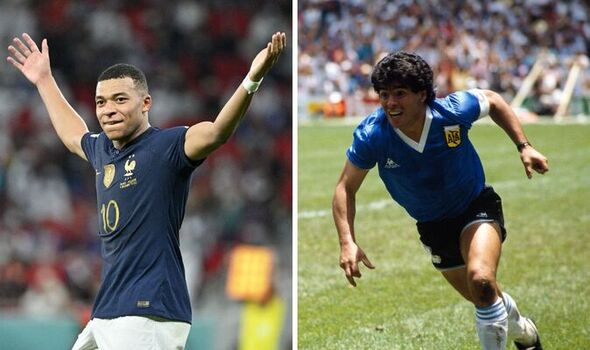
When Diego Maradona joined SSC Napoli in 1984 for around 12 million dollars, the transfer was considered an unprecedented financial extravagance. Four decades later, the global soccer market moves figures that would have seemed unreal even to the great sports magnates of the 1980s.
The evolution of transfers in professional soccer reflects much more than a sporting change: it is the story of the financialization of the global entertainment industry. Local contracts and free-to-air television gave way to an ecosystem dominated by sovereign wealth funds, private equity, streaming platforms, global commercialization, and digital attention economies.
Today, soccer is an industry in which a single transfer market can exceed 13 billion dollars annually.
The Maradona transfer that broke the market
In 1982, Diego Maradona left Boca Juniors to join FC Barcelona for approximately 7.3 million euros, adjusted retrospectively. Two years later, his move to Napoli raised the world transfer record to nearly 12 million dollars.
The scale of that figure can only be understood in context. According to retrospective analyses by specialized media outlets and historical transfer databases, Maradona’s move was worth several times the average transaction value of the era.
In reality, the Maradona case marked the beginning of a new logic:
- The soccer player as a global asset
- The club as a commercial platform
- The transfer as a strategic investment
Italian Serie A dominated the global soccer economy at the time. Italy concentrated industrial capital, growing television rights revenues, and financial capacity far greater than the rest of Europe. Clubs such as Napoli, Juventus, Milan, and Inter began an inflationary race that would redefine the market.
Television Changed Everything
The real economic explosion arrived in the 1990s with the expansion of satellite television and massive broadcasting contracts. The creation of the Premier League in 1992 marked a turning point. The new centralized model for audiovisual rights radically transformed the revenues of English clubs.
This phenomenon coincided with the commercial globalization of sports, the liberalization of the European market following the 1995 Bosman ruling, and the growth of multinational sponsors. Transfer fees began to rise rapidly: Alan Shearer broke records in 1996, Ronaldo Nazário surpassed the market once again in 1997, and from the 2000s onward, Real Madrid CF’s so-called “Galácticos” era turned transfers into global media events.
The case of Luis Figo in 2000 — from Barcelona to Real Madrid — not only broke financial records; it demonstrated how the commercial and political value of a transfer could be just as important as its sporting value.
 By Fórmate a Fondo