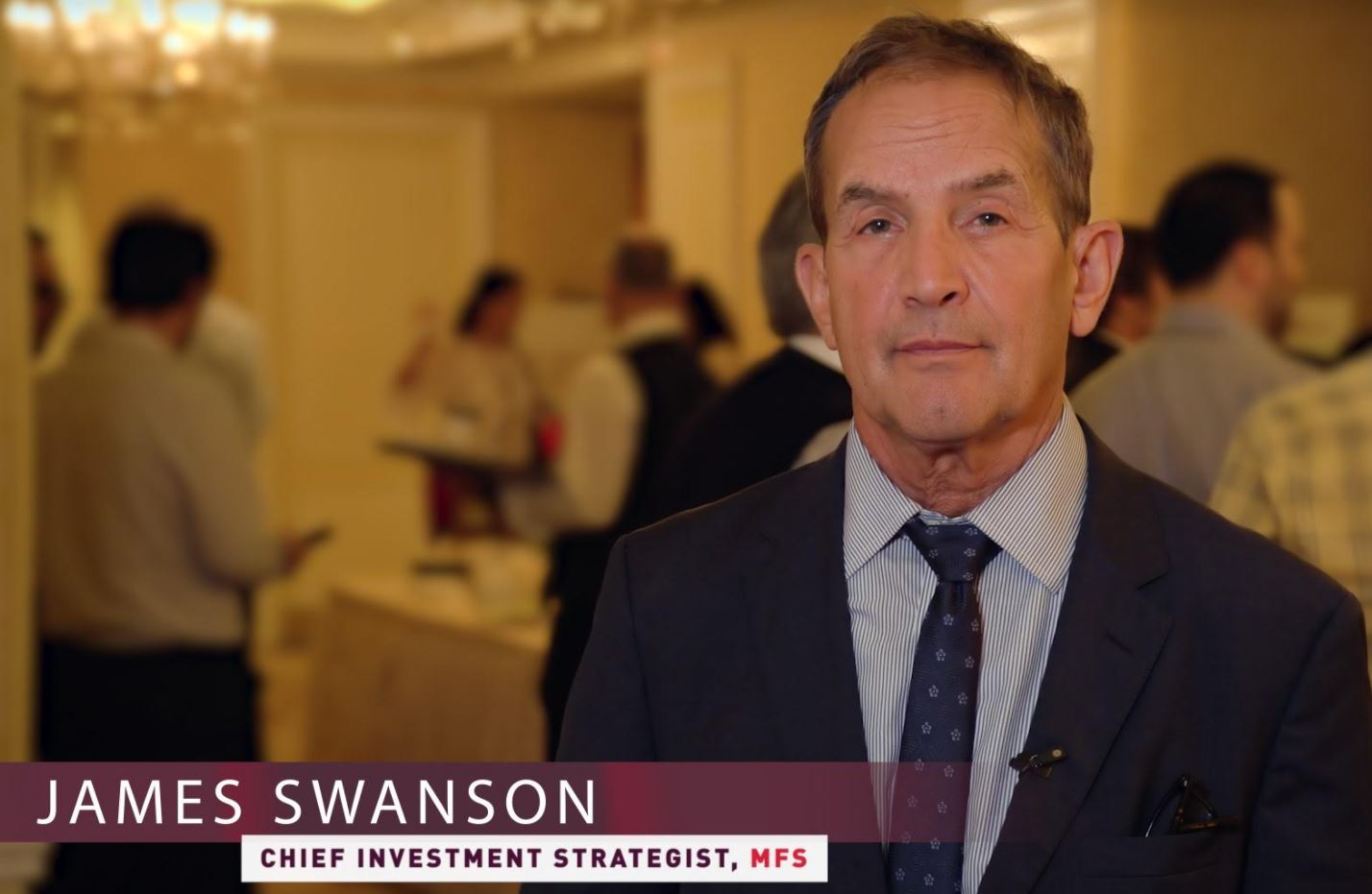
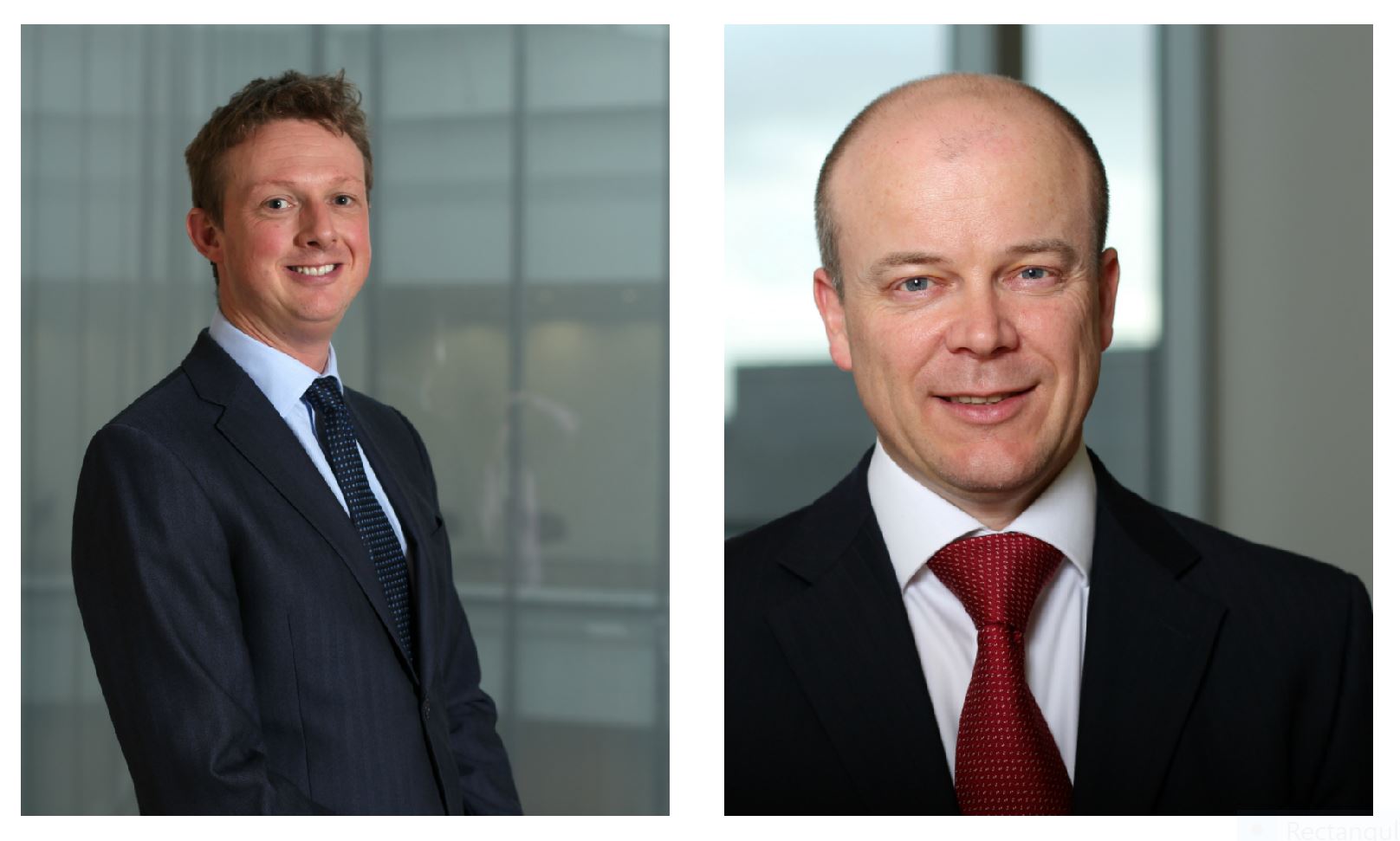
The Board of Directors of Santander Consumer USA Holdings Inc. announced the appointment of Jason A. Kulas as Chief Executive Officer. Mr. Kulas succeeds Thomas G. Dundon, the company’s former Chairman and Chief Executive Officer, in line with SCUSA’s Board-approved succession plan. Mr. Dundon will continue to serve as a member of the SCUSA Board of Directors and as a senior adviser to the company.
After successfully growing the SCUSA business over the last 20 years, including nine years as CEO, Mr. Dundon has decided to pursue new opportunities.
The Board of SCUSA has appointed Lead Outside Director Stephen Ferriss as interim Chairman, effective until the July 15 SCUSA annual meeting.
Mr. Dundon said: «I am proud to have been part of the company’s success and fortunate to have worked with so many outstanding, driven colleagues over the years. This is a great company and with Jason Kulas at the helm, supported by our talented management team, I am confident SCUSA will become an even stronger player in the consumer finance industry.»
Scott Powell, Chief Executive Officer of Santander Holdings USA and head of Santander’s operations in the United States, said: «We thank Tom for his vision and leadership as a founder of SCUSA, and a driver of its growth and success. Jason Kulas has the experience and strategic vision to lead SCUSA. Jason has been with SCUSA for eight years and has a deep understanding of its business, operations and people. I am confident in his ability to lead this business into the future.»
Mr. Kulas joined the company in 2007 as Chief Financial Officer, after covering SCUSA, since its founding, as an investment banker at JPMorgan. As CFO, he oversaw the company’s treasury, accounting, financial planning, capital markets and corporate strategy divisions. Mr. Kulas became President in 2013 and, since SCUSA’s IPO in 2014, has overseen the company’s corporate development, asset management, investor relations and various regulatory functions including the Comprehensive Capital Analysis and Review. Mr. Kulas will join the Board of Directors of SCUSA and, subject to regulatory approvals, Santander Holdings USA.
Mr. Kulas said: «I am honored by the Board’s decision to name me as Tom’s successor. Tom was pivotal in growing the Company from a local start-up to a leading, national technology-driven consumer finance business. The changes in Tom’s role at SCUSA have been amicably agreed and are unrelated to the company’s performance or regulatory standing. On behalf of the company’s management team, I thank him for his valuable contributions and wish him well in his future endeavors. This is an exciting time for the business and I look forward to working with my colleagues as we seek to grow the business in the months and years ahead.»
Jason Grubb, Chief Operating Officer, Originations of SCUSA, will succeed Mr. Kulas as President. Mr. Grubb joined SCUSA in 2004 as Senior Vice President of Servicing. He was Chief Operating Officer from January 2007to October 2014 and became Chief Operating Officer, Originations in October 2014. Prior to joining SCUSA, Mr. Grubb held positions at WFS Financial, Nissan Motor Acceptance Corp, and Commercial Financial Services.
Jennifer Popp has been appointed interim Chief Financial Officer of SCUSA while a search is underway for a permanent replacement. Ms. Popp has served in the finance industry since 2001, and joined SCUSA in July 2012. She most recently served as Chief Accounting Officer and Deputy Chief Financial Officer.
In connection with Mr. Dundon’s departure as SCUSA’s Chief Executive Officer, Santander Holdings USA will, subject to the applicable regulatory approvals, exercise a call option to acquire all of the approximately 9.68% of SCUSA common stock held by DDFS LLC, an entity solely owned by Mr. Dundon.
Additional details regarding Mr. Dundon’s separation will be filed by SCUSA with the Securities and Exchange Commission.
José Luis Ruiz. ¿Cómo valorar compañías? Financial modeling, pricing companies, M&A
“Financial modeling, pricing companies, M&A” es el nombre del curso que Riskmathics celebrará entre los días 12 y 27 de agosto de este año en México Distrito Federal –Torre Mayor, Av. Reforma- con el fin de presentar los diferentes métodos utilizados para la fijación de precios de start-ups, compañías consolidadas y la valoración de fusiones y adquisiciones (M&A).
El curso abarca una amplia gama de temas -desde básicos hasta avanzados- y métodos de valoración, tanto “intrínsecos” como relativos que lo hacen interesante desde distintas perspectivas: la del que desea realizar una inversión o administrar un portafolio de inversiones privadas, la de quien tiene interés de vender, comprar o fusionar compañías propias o de terceros, la de quien busca recibir financiación privada o aquella de quien simplemente desea conocer el valor de su compañía.
Para más información o inscripciones, puede seguir este link
Foto: LenDog64. John Hancock Investments entra en el negocio de los UCITS
John Hancock acaba de anunciar el lanzamiento de John Hancock Worldwide Investors, PLC, una plataforma UCITS domiciliada en Dublin y diseñada para ampliar el ámbito de actuación de la visión “manager-of-managers” de la firma. Desde esta misma semana, la firma ofrecerá cuatro de sus estrategias de inversión –con altos rankings- dirigidos a los no residentes en Estados Unidos y los programas UCITS de sus distribuidores en el país.
Como parte de su compromiso con este estratégico mercado, John Hancock Investments ha fichado a la veterana Angela Billick para liderar la plataforma de productos. Billick aportará sus casi 20 años de experiencia en el desarrollo de negocio internacional en UCITS para satisfacer las necesidades de los inversores.
“Estamos encantados de poder ofrecer nuestro destacado ¨manager selection¨ y de poder supervisar nuevos mercados” declara Andrew G. Arnott, presidente y CEO. «Nuestra nueva plataforma UCITS es una continuación natural al rápido desarrollo que hemos experimentado en Estados Unidos y un reflejo de la fuerte demanda que hemos recibido por parte de los bróker dealers norteamericanos asociados a nuestra firma para que ofreciéramos fondos offshore que fueran una réplica de algunos de nuestros fondos mutuos de Estados Unidos más populares”
John Hancock Worldwide Investors pone a disposición de los inversores cuatro de las estrategias más deseadas. Estas estrategias iniciales son gestionadas por los equipos de Manulife Asset Management y GMO Europe LLC:
John Hancock Strategic Income Opportunities Fund
John Hancock High Yield Fund
John Hancock U.S. Large Cap Equity Fund
John Hancock Global Equity (Ex.-U.S.) Fund
“Creemos que estas cuatro estrategias ayudan a satisfacer la demanda por parte de los inversores de nuevas fuentes de ingresos, junto con estrategias consolidadas en equities con ciertas medidas de protección frente a caídas” dice Leo M. Zerilli, CIMA, director de inversiones de John Hancock Investments. «Estos no son solo retos para los inversores norteramericanos, son retos globales”
As the crackdown on «closet trackers» gathers pace in Europe, concerns are growing that the metric used to identify those funds that charge active management fees while merely hugging the index could undermine performance, according to the latest issue of The Cerulli Edge – Global Edition.
The regulatory spotlight has fallen on closet trackers recently. In May the Swedish government launched an investigation in the wake of the Swedish Shareholders’ Association filing a lawsuit against a leading fund house, alleging that it had mis-sold closet trackers to retail investors. Regulators in Denmark and Norway have also been proactive.
Cerulli Associates, a global analytics firm, notes that in response to heightening regulatory scrutiny more managers are voluntarily disclosing data showing the extent to which a fund’s portfolio diverges from its benchmark. «Active share» is the most commonly used measure, with a score less than 60% deemed to be index hugging.
«Active share, however, is no panacea and used in isolation is more likely to be misleading. It should be used alongside other relevant metrics, such as information ratio data showing the portfolio returns above the benchmark in relation to the volatility of those returns,» says Barbara Wall, Europe research director at Cerulli Associates.
Noting that there are times in an investment cycle when it might be prudent to stay close to the benchmark, Cerulli warns that a manager who feels obliged to maintain a certain active share is at risk of picking the wrong stocks simply to increase the deviation from the benchmark. Strict adherence to the tool may also prevent a manager from buying stocks that have a large weight in the index, even if they are expected to outperform.
Another limitation concerns the definition of being «active», which typically refers to the actual shares that are owned. But «active» can also apply to a portfolio that largely adheres to the index, provided the manager has not simply taken a buy-and-hold approach and that performance is influenced by the timing of trades in those constituents.
Firms that are already disclosing the active share figure tend to have house management styles that are unconstrained in relation to benchmarks. Firms where the emphasis is on delivering outperformance with a relatively low-risk, low-active share element would be understandably anxious, says Cerulli, about publishing their active share figure. «They would also point out–with some justification–that a low active share doesn’t mean they are a closet tracker and that they should be judged on performance alone,» says Wall.
Cerulli believes that, used in conjunction with other metrics, active share can be a useful tool in promoting accountability and transparency. Laura D’Ippolito, a senior analyst at Cerulli, says: «Views within the European fund industry on the value of the active share figure differ widely, but what is clear is that the debate–which also takes in the active/passive issue–is only going to intensify.»
Other Findings:
With active exchange-traded funds (ETFs) at long last gaining traction in the United States, active mutual fund managers should seriously consider offering their strategies in these securities, advises Cerulli. It notes, however, that the path to success remains difficult. Another structure the firm recommends is the new exchange-traded managed fund.
The penetration rate of mutual funds in Asia ex-Japan has dropped to about 6.5% of household financial assets (HHFA) in 2013 from 9% in 2009, despite HHFAs expanding at, or close to, double-digit rates annually. Cerulli believes that the decline can in part be attributed to the short-termism that drives investment–in Taiwan, for instance, Cerulli has found that fund retention ranges from about six to nine months for the average investor, while in China it can be as short as a month. The firm says that analysis of the decision-making provides useful insights for determining product selection.
In the United Kingdom, active management is no longer the be-all and end-all for discretionary investment managers, says Cerulli, noting that a combination of regulatory change and the low-growth environment is forcing firms to review costs and portfolios. Not only are passive funds now more common in discretionary portfolios, but their role–and that of active funds–is changing. The analytics firm says that active managers face a challenge in staying relevant in a world in which cost is king, passives are core, and sustainable alpha is key.
New research from Standard Life Investments suggests that improvements in corporate governance at Japanese companies have the potential to raise the value of the Japanese stock market by 15% to 30%.
Prime Minister Abe’s administration has announced a range of policies designed to embolden corporate risk-taking – one area with high prominence in this growth strategy is boardroom reform. In the latest edition of Global Perspective, Govinda Finn, Senior Japan Analyst and Chris Faulkner-MacDonagh, Markets Strategist, Standard Life Investments, examine whether this governance reform will be the catalyst for a wider revitalization of the Japanese economy.
Govinda Finn, Senior Japan Analyst, Standard Life Investments, said:
“Many global investors have moved heavy or overweight in Japanese equity markets since the Abe government gained power. Yet Japan faces a growth conundrum. With a declining population and high levels of economic development, the prospect of future growth led by capital accumulation is low.
“To ensure that global investment in Japan becomes a longer term phenomenon, rather than a short term tactical trade, efforts to improve the capital efficiency of Japanese companies, and raise the return on equity for shareholders, become ever more important.
“Key engagement and governance policies for shareholders and institutional investors to monitor for progress over the coming months are: increasing board independence; expanding investor relations efforts; M&A activity; return on equity strategies; shareholder voting practices; restructuring of business operations; plus environmental and social policies.
“There is hope that a transition to a more market based engagement approach will encourage businesses in Japan to make better investment decisions and boost shareholder value. This approach, when combined with other initiatives in the nation’s revitalization plan such as trade liberalization and labor market reform, may unlock further productivity growth.”
Oficinas centrales de Banco Ficohsa Guatemala - Foto cedida. Grupo Financiero Ficohsa toma el control de las operaciones de Citi en Nicaragua
Grupo Financiero Ficohsa ha anunciado que la adquisición de Banco Citibank de Nicaragua, S.A. y Cititarjetas de Nicaragua, S.A., se ha completado después de que el Superintendente de Bancos y Otras Instituciones Financieras de Nicaragua (SIBOIF) y el Superintendente de Bancos de Panamá (SBP) hayan dado el visto bueno a la operación.
«Hoy empieza a hacerse realidad nuestro compromiso de invertir en Nicaragua” declaró Camilo Atala, presidente de Grupo Financiero Ficohsa. «Llegamos con grandes expectativas y con prácticas responsables para contribuir al desarrollo del país”
Con su entrada en Nicaragua, que sigue a su expansión en Honduras y Centro América, Ficohsa establece su presencia en cuatro países. Ya en mayo, el grupo integró con éxito las operaciones de consumo de Citi en Honduras, una experiencia que Ficohsa utilizará para asegurar una integración suave de los clientes de Nicaragua.
En los próximos días, las agencias, los cajeros automáticos y los puntos de atención de Citi verán sus marcas cambiadas por la de Banco Ficohsa Nicaragua. Sin embargo, los clientes podrán continuar realizando sus transacciones a través de los procesos y canales habituales, Además, todos los beneficios y obligaciones para con ellos, se respetarán, incluidos premios o puntos de fidelización.
El grupo informó de que sus planes en Nicaragua incluyen la expansión de su red, lo que significa que la plantilla crecerá. Por otro lado, la entidad ampliará gradualmente la oferta con varios productos y servicios de Ficohsa.
La operación incluye todas las operaciones de Citi en Nicaragua, con más de 600 empleados uniéndose al grupo. “Estamos muy satisfechos de dar la bienvenida a nuestros nuevos empleados en Nicaragua a la familia Ficohsa” dijo Atala. “Ellos son la clave de nuestro éxito en el mercado nicaragüense y el proceso de integación que comienza hoy”
El grupo financiero, el primer capital hondureño en entrar en Nicaragua, ha nombrado a Marco Antonio López presidente ejecutivo. López es un reconocido banquero nicaragüense, que hasta hoy servía como vicepresidente regional para desarrollo de negocio en Ficohsa.
«Estoy muy content de volver a Ficohsa con el mandato claro de apoyar los sectores productivos del país, reforzar los servicios del banco en él y ampliarlos en nuevas áreas, como será la banca corporativa” dijo López, quien añadió “la idea es ofrecer los servicios financieros más innovadores del mercado”.
Hoy, Grupo Financiero Ficohsa es la mayor compañía de banca y seguros en Honduras y opera en Guatemala, Panamá y Nicaragua, además de ofrecer servicios financieros en Estados Unidos. Tras la adquisición, el grupo contará con 4.016 millones de dólares en activos, 2.645 millones de dólares en préstamos, 522 millones en equity, 2.577 millones en depósitos y más de 6.600 empleados, a 31 de marzo de 2015. El grupo se encuentra entre los 10 mayores grupos financieros de Centroamérica.
Ashley Lester - Foto cecida. Schroders nombra nuevo responsable global de análisis de soluciones de carteras e inversiones multiactivo
Schroders anunció esta semana el nombramiento de Ashley Lester como director de análisis para su negocio de Soluciones de carteras e inversiones multiactivo, un negocio de 114.700 millones de dólares –a 31 de marzo de 2015. Lester se incorporará en julio, reportará a Nico Marais -director de Soluciones de carteras e inversiones multiactivo – y estará basado en Nueva York.
Lester procede de MSCI donde era responsable de análisis de renta fija y multiactivos. Antes de incorporarse a MSCI, fue director de análisis de riesgo en Morgan Stanley, fue assistant professor de económicas en la Universidad de Brown y visiting assistant professor de finanzas y económicas en la Escuela de negocios de Columbia.
Foto cedida. Hanging Gardens: la magia del real estate en medio de la selva balinesa
Es época estival en el Hemisferio Norte y momento para elegir destino de vacaciones: Europa para un verano lleno de historia, Latinoamérica para disfrutar de un clima más fresco, África para días llenos de aventuras o Asia para dar rienda suelta al viajero exótico que llevamos dentro. Las infraestructuras hoteleras sorpenden cada día más por su ubicación imposible, sus originales formas y por sus servicios mejorados.
Sobre todo por el primer punto destaca el hotel Hanging Gardens, a solo unos 30 minutos del centro espiritural y cultural de Bali, Ubud. El hotel es una obra maestra de ingeniería que se levanta majestuoso en medio de la selva de la isla, una construcción imposible a distintas alturas, aprovechando la inclinación del terreno, con una piscina de lujo en lo alto que muestra que, a veces, el sector de real estate puede crear entornos con verdadera magia.
Inmerso en el coracón de la selva de Ubud, este hotel del lujo de cinco estrellas, que ocupa 3,2 hectáreas, cuenta con 38 villas privadas y suites, cada una con su propia piscina de granito, con la jungla justo debajo del agua. Cada villa está diseñada con los tejados tradicioanles de Alang Alang, en armonía con la naturaleza.
El hotel, que cuenta con una gran piscina de dos niveles con cascadas, mira de frente a la jungla donde los monos juegan en las palmeras, con el susurro del río Ayung justo a sus pies y el templo Hindu Dalem Segara enfrente de las instalaciones.
Su renovado restaurante sirve platos tradicionales indonesios además de cocina de otros países asiáticos y también con influencias occidentales y mediterráneas, elaborados con vegetales que crecen en el pueblo vecino y con pescado fresco obtenido directamente de la Bahía de Jimbaran. También cuenta con un spa de lujo que combina ingredientes naturales y técnicas ancestrales para crear terapias de belleza y tratamientos que rejuvenecen el cuerpo y llenan de energía el alma.
Para moverse en un terreno muy inclinado, cuenta con un funicular que transporta a los huéspedes en los diferentes niveles de terrazas de la propiedad, llenos de jardines con flora y fauna local, como cocoteros, plantaciones de café u orquídeas, que crean un paraíso tropical.
Juan Garcia. Juan Garcia se incorpora a Eaton Vance como especialista Offshore
Eaton Vance ha anunciado el fichaje de Juan Garcia como especialista Offshore para América del Norte y del Sur, trabajando junto a Vince Leon, director de ventas Offshore, para ofrecer soluciones adaptadas a entornos de mercado cambiantes.
A Eaton Vance, Juan llega con más de 10 años de experiencia en la industria. Su puesto más reciente ha sido en el equipo Offshore de MFS. Anteriormente ha trabajado para Fidelity Investments y Suntrust Bank, como Financial Representative, y para Easthampton Savings Bank, como Customer Service Representative.
Juan Garcia tiene un MBA con honores por el Jack Welch Management Institute de la Universidad de Strayer, un Certificado en Planificación Financiera por la Universidad de Boston y un BBA en Management por la Universidad de Massachusetts, Amherst. Originario de México, Juan reside ahora junto a su mujer en Boston.
Willis Group Holdings and Towers Watson today announced the signing of a definitive merger agreement under which the companies will combine in an all-stock merger of equals transaction. Based on the closing prices of Willis and Towers Watson common stock on June 29, 2015, the implied equity value of the transaction is approximately $18 billion. The transaction has been unanimously approved by the Board of Directors of each company. The combined company will be named Willis Towers Watson.
Upon completion of the merger, terms of which are detailed below, Willis shareholders will own approximately 50.1% and Towers Watson shareholders will own approximately 49.9% of the combined company on a fully diluted basis.
The combination of Willis and Towers Watson brings together two highly complementary businesses to create an integrated global advisory, broking, and solutions provider to serve a broad range of clients in existing and new business lines. The combined company will have approximately 39,000 employees in over 120 countries, and pro forma revenue of approximately $8.2 billion and adjusted /underlying EBITDA of over $1.7 billion for the twelve months ended December 31, 2014.
John Haley, Chairman and Chief Executive Officer of Towers Watson, said, “This is a tremendous combination of two highly compatible companies with complementary strategic priorities, product and service offerings, and geographies that we expect to deliver significant value for both sets of shareholders. We see numerous opportunities to enhance our growth profile by offering integrated solutions that leverage Willis’ global distribution network and superb risk advisory and re/insurance broking capabilities to deliver a more robust set of analytics and product solutions across a broader client base, including accelerating penetration of our Exchange Solutions platform into the fast growing middle-market. We also expect to realize substantial efficiencies by bringing our two organizations together, and have a well-defined integration roadmap to capitalize on identified savings, ensure the strongest combination of talent and practices, and realize the full benefits of the merger for all of our stakeholders.”
Dominic Casserley, Willis CEO, said, “These are two companies with world-class brands and shared values. The rationale for the merger is powerful – at one stroke, the combination fast-tracks each company’s growth strategy and offers a truly compelling value proposition to our clients. Together we will help our clients achieve superior performance through effective risk, people and financial management. We will advise over 80% of the world’s top-1000 companies, as well as having a significant presence with mid-market and smaller employers around the world.”
Transaction delivers key strategic and financial benefits such as powerful global platform for profitable growth; Accelerates growth in exchange market; Expands international profile; Strong financial profile; and highly achievable cost synergies.
Upon closing of the transaction, James McCann will become Chairman, John Haley will be Chief Executive Officer and Dominic Casserley will be President and Deputy CEO. The new company’s board will consist of 12 directors total – six nominated by Willis and six by Towers Watson, including Towers Watson’s and Willis’ current CEOs. Additionally, Roger Millay will be CFO.
Dominic Casserley and Gene Wickes from Towers Watson have been chosen to oversee the Integration
The transaction is expected to close by December 31, 2015, subject to customary closing conditions, including regulatory approvals, and approval by both Willis and Towers Watson shareholders.