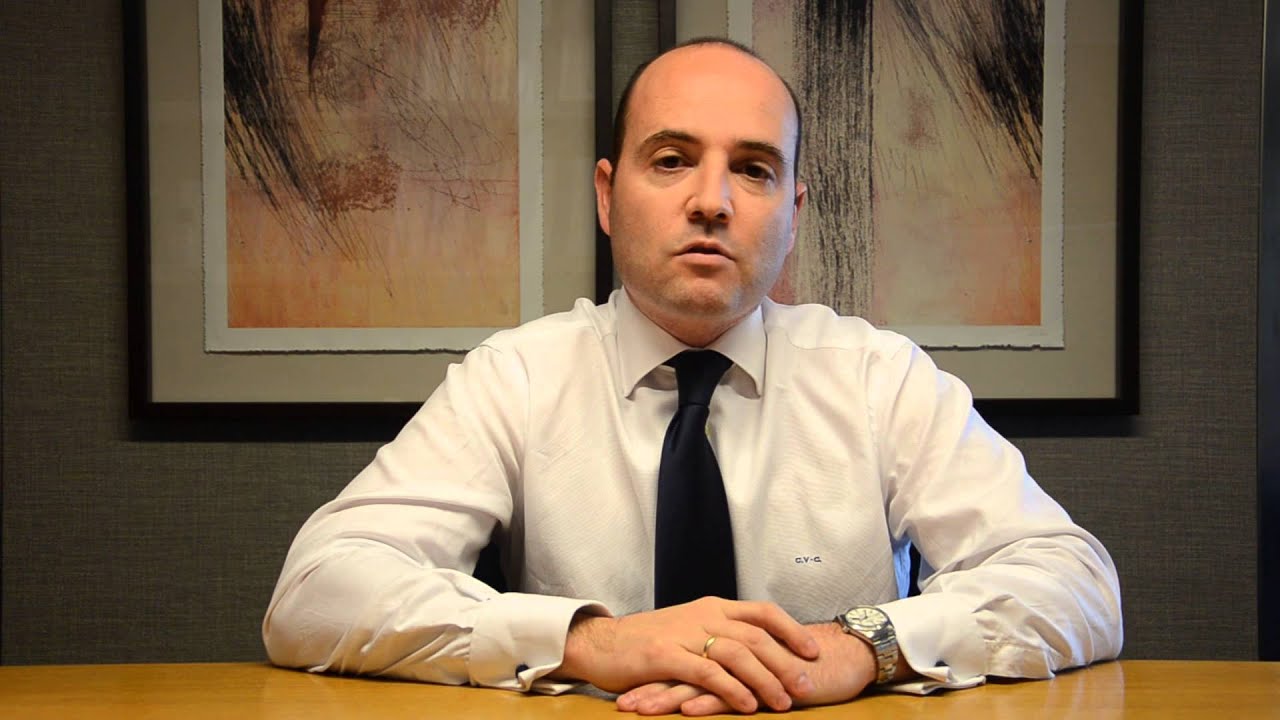
Foto cedidaDe izquierda a derecha, Manuel López, director general y director de Desarrollo de Negocio de Selinca AV, y Santiago Satrústegui, presidente de EFPA España.. selinca y efpa
EFPA Españaha alcanzado un acuerdo de colaboración con Selinca AV, agencia de valores independiente, por el que estas dos entidades se comprometen a fomentar el asesoramiento de calidad, mediante la formación continua de los profesionales del sector financiero.
De este modo, colaborarán de forma conjunta en la organización de cursos, conferencias y seminarios válidos para las certificaciones de EFPAEuropean Investment Assistant (EIA),European Investment Practitioner (EIP),European Financial Advisor (EFA) y European Financial Planner (EFP) plenamente adaptadas a los requerimientos que impone ESMA y la CNMV, tras la puesta en marcha de la directiva comunitaria MiFID II.
Selinca AVfavorecerá y dará apoyo a la labor de formación continua de EFPA España para renovar la cualificación y las certificaciones profesionales de los asesores financieros, impulsará otras acciones organizadas por la asociación, informará ampliamente sobre las novedades, actividades y el desarrollo asociativo de EFPA España y organizará al menos dos conferencias digitales. Por otra parte, la asociación se compromete con la entidad a colaborar en la comunicación de las actividades que incentiven el conocimiento de las novedades en el ámbito de la gestión de carteras y la contratación de instrumentos financieros.
Gracias a este acuerdo, EFPA suma ya 76 entidades colaboradoras, entre las que se pueden encontrar las principales entidades bancarias y gestoras de fondos nacionales e internacionales.
Santiago Satrústegui, presidente de EFPA España, explica que“este acuerdo con un referente en el sector de la comercialización de fondos de terceros como Selinca, nos ayudará a seguir potenciando una mayor cualificación de los asesores y a fomentar la formación continua de todos los profesionales, pensando siempre en dotar al cliente del mejor servicio”.
Manuel López, director de Desarrollo de Negocio de Selinca AV, comenta que “la formación continuada es un aspecto importante en nuestra industria para hacer frente al tsunami regulador y de gestión. Para ello, desde Selinca, ponemos a disposición de los asociados de EFPA el potencial y el talento de las numerosas y exitosas gestoras que representa, para así ofrecer una formación continuada del más alto nivel de cualificación, y poder hacer frente a las continuas exigencias y requerimientos del regulador y de la industria”.
Tras más de 6 años al frente de Augustus Capital co-gestionando Lierde Sicav, Carlos Val-Carreres sale de la entidad para poner en marcha su propio proyecto, con el objetivo de seguir desarrollando su filosofía de análisis y gestión.
Según destaca Selk Bank en un comunicado, Val-Carreres acumula un excelente track-record como gestor de renta variable europea, en base a un modelo de inversión en valor que ha batido consistentemente a los principales índices europeos.
Por su parte, Self Bank participa como socio estratégico en el proyecto, aportando la infraestructura y el capital inicial necesario para asegurar el funcionamiento adecuado del nuevo fondo desde el primer momento. “Apoyamos a Carlos en este proyecto porque creemos en su filosofía de gestión, que ofrece a los clientes un binomio de rentabilidad riesgo excelente y de probada consistencia.” señalan desde Self Bank.
Self Bank explica que «los nuevos fondos que gestione Carlos se incorporarán a nuestro modelo de arquitectura abierta, que ya cuenta con más de 7.800 fondos, cifra que iremos incrementando en los próximos meses”.
El primer fondo estará también disponible en la plataforma de Inversis a partir de octubre y, previsiblemente, se incorporará más adelante a otras. En palabras de Val-Carreres, «esta alianza me brinda la oportunidad de seguir desarrollando la filosofía de análisis y gestión independiente que tan buenos resultados ha dado en el pasado, con un proyecto ilusionante y con una forma diferente de hacer las cosas”.
Augustus Capital AM incorpora a Francisco Tajada como gestor senior
Augustus Capital AM, gestora de Lierde SICAV y de MG Lierde Plan de Pensiones Bolsa, ha reforzado su equipo con la incorporación de Francisco Tajada como gestor senior.
Tajada tiene amplia experiencia y conocimiento inversor de sectores como el de la tecnología y las farmacéuticas. Desde 2014 era socio en Ginebra de Preon Capital,
el family office del inversor finlandés Jari Ovaskainen. Entre las operaciones más relevantes de Preon se encuentran la venta de IOBox, Supercell o Advanced Accelerator Applications.
De 2011 a 2014, Francisco Tajada trabajó en banca de inversión y operaciones de fusiones y adquisiciones en la firma ONEtoONE Corporate Finance. Previamente, entre 2008 y 2011 fue analista en el fondo Stategic Investments Advisors (SIA) en
Ginebra.
Para Juan Uguet de Resayre, fundador y socio gestor de Augustus Capital AM, “la incorporación de Francisco Tajada refuerza con su experiencia tanto nuestro conocimiento del proceso de digitalización en diferentes sectores como el sesgo en segmentos como el de tecnología y pharma”. “Nuestro objetivo primordial sigue siendo mantener las altas rentabilidades que acredita nuestro vehículo de inversión Lierde desde que se creó en 1994”, añade Uguet.
Pixabay CC0 Public Domain. CaixaBank, nombrada la mejor entidad de banca privada del mundo por su comunicación digital a clientes
CaixaBank ha sido elegida mejor entidad de banca privada del mundo por su comunicación digital a clientes por el medio especializado Professional Wealth Management (PWM), del Grupo Financial Times.
Los Wealth Tech Awards de PWM, que celebran su segunda edición en 2019, premian a las entidades de banca privada que destacan por la excelencia en su estrategia de transformación digital y por su continua innovación. El jurado ha analizado los productos y servicios de más de 50 entidades de banca privada para destacar aquellas innovaciones que más están contribuyendo a impulsar el cambio en el sector.
En esta edición, PWM ha premiado también al negocio de banca privada de BPI, del Grupo CaixaBank, como la mejor banca privada de Europa por el impulso a la digitalización de sus gestores.
El jurado de la publicación ha valorado, entre otros, los últimos servicios y productos de CaixaBank Banca Privada, como Ocean, la primera plataforma de fondos de inversión de terceras gestoras que personaliza las condiciones por cliente en función de su modelo de servicio. A través de la plataforma digital (página web o aplicación móvil), los clientes de banca privada de CaixaBank pueden elegir entre 2.000 fondos de más de 140 gestoras.
Gonzalo Gortázar, consejero delegado de CaixaBank, se ha mostrado agradecido por el galardón y ha señalado que “el plan estratégico de CaixaBank pone la tecnología y la transformación digital al servicio de nuestros clientes y empleados. En el caso de banca privada, apostamos por la combinación del mejor equipo humano y las tecnologías más avanzadas, con el objetivo de ofrecer la mejor experiencia de cliente en todo momento y a través de cualquier canal”.
CaixaBank ha seguido fortaleciendo en los últimos meses su negocio de banca privada, orientado a clientes con más de 500.000 euros de patrimonio. A cierre de 2018, CaixaBank Banca Privada contaba con 60.023 clientes, lo que supone un crecimiento del 2,6%; y con 64.912 millones de euros en activos bajo gestión (un 2,7% más que en 2017).
La entrega de los Wealth Tech Awards 2019 de PWM tuvo lugar el pasado 27 de junio, en la ciudad de Londres. Professional Wealth Management (PWM) es una publicación británica del Grupo Financial Times con sede en Londres, fundada en 2001 y especializada en el análisis de estrategias de crecimiento de la banca privada internacional europea y de los centros financieros en los que operan.
Pixabay CC0 Public Domain. Agenda de eventos de AFI
UBS AM organiza un desayuno sobre su fondo UBS AM Sustainable and Impact Investing, ya que considera que la inversión sostenible es el segmento con mayor rapidez de crecimiento.
«Se ha convertido en una estrategia de inversión convencional, las nuevas herramientas y la transparencia de la sostenibilidad ofrecen la oportunidad para construir carteras sólidas, generar rendimientos más consistentes y añadir valor a las carteras dentro del mismo perfil de riesgo», aclaran desde la entidad.
Respondiendo a esta tendencia, UBS AM ha tomado la decisión estratégica de convertir las inversiones sostenibles en una de las corrientes principales de su oferta.
El evento será de 9:00 a 10:00 de la mañana con Alix Foulonneau como ponente. Tendrá lugarel próximo 20 de septiembre en las oficinas de UBS en Madrid, en la calle María de Molina 4, Planta 1.
La asistencia, destinada a inversores institucionales exclusivamente, debe confirmarse a través de este correo: sh-ubs-am-iberia@ubs.com.
Foto cedidaFrancois Millet, director de estrategia, ESG e innovación de Lyxor ETF.. Francois Millet (Lyxor ETF): “Los inversores ven en la ISR una forma de gestionar mejor los riesgos y generar rendimientos de forma más sostenibles”
Según Francois Millet, director de estrategia, ESG e innovación de Lyxor ETF, es un mito que con la gestión pasiva el inversor no pueda invertir de forma sostenible. En su opinión, la gestión pasiva es totalmente compatible con la inversión bajo criterios ESG. “No solo eso, nosotros vamos un paso más allá afirmando que la gestión pasiva es adecuada para este tipo de inversión, ya que comparten algunos valores comunes”, ha explicado durante una entrevista concedida a Funds Society.
Tradicionalmente se habla de inversión responsable o con criterios ESG desde la óptica de la gestión activa, pero ¿cómo es este enfoque en la gestión pasiva y en el uso de ETF?
Por un lado, la migración de la inversión hacia estrategias ESG es masiva y, al mismo tiempo, los instrumentos pasivos son uno de los vehículos que más rápido está creciendo dentro de la industria en términos de activos. En ambos casos no hablamos de “tendencias” si no de una transformación de la inversión. La gestión pasiva es definitivamente compatible con la inversión bajo criterios ESG. No solo esto, nosotros vamos un paso más allá afirmando que la gestión pasiva es adecuada para este tipo de inversión, ya que comparten algunos valores comunes. Si miramos el mercado europeo de ETF, que ha crecido un 20% anualmente durante los últimos 10 años, el punto de inflexión para los ETF fue 2018. Los activos bajo gestión de ETF ESG crecieron un 45% en 2018 y de nuevo un 50% en lo que va de año, impulsados por flujos de entrada de más de 4.000 millones de euros durante la primera mitad de 2019. Pero quizás no es suficiente.
Como gestor, ¿está notando una mayor demanda de ETF con criterios ESG?
Observamos que la demanda de los inversores institucionales está más orientada hacia ETF ESG de estrategias amplias o broad que utilizan para una asignación de activos global o regional. Estos inversores buscan optimizar el perfil ESG de su cartera sin perder por ello rentabilidad ni cambiar su tolerancia al riesgo, en todo caso mejorarlo. Los inversores institucionales, como los grandes fondos de pensiones, fueron los pioneros en la inversión ESG y ahora han dado un paso más: buscan tener índices ESG como referencia.
¿Cómo se está comportando el inversor?
Los inversores institucionales de menor tamaño también han emprendido esta senda y vemos como la demanda de ciertos activos, como los bonos verdes, ha aumentado. También existe interés por parte de inversores referenciados a benchmarks e inversores recién llegados al mundo ESG, que buscan productos que tengan un bajo tracking error con respecto a sus benchmarks tradicionales. La demanda de los gestores de patrimonio se centra más en los ETF ESG temáticos, lo que les permite invertir en cumplimiento con los Objetivos de Desarrollo Sostenible de las Naciones Unidas. Y, por último, los inversores minoristas comienzan a sumarse a esta tendencia porque el tema de la inversión ESG resuena fácilmente. Buscan implementar sus convicciones, pero también aprovechar las oportunidades de crecimiento y retorno en áreas como el agua o las energías limpias.
¿Cómo se entienden estas inversiones?
Los inversores ven la inversión sostenible como una forma de gestionar mejor los riesgos y generar rendimientos de forma consistente a largo plazo. Las diferentes crisis financieras y las controversias en torno a ciertas empresas han demostrado lo dañino que puede ser enfocarse solamente en el corto plazo y descuidar la gestión que hacen los accionistas de una empresa o la evaluación de su gobierno corporativo, así como sus prácticas sociales o medioambientales. Después de décadas de investigación y debates, ahora existe la interpretación de que invertir de manera sostenible no perjudica a los rendimientos. Como resultado, hoy en día algunos inversores buscan maximizar su desempeño financiero a partir de los criterios ESG, mientras que cada vez más gente usa otro enfoque: maximizar el desempeño ESG sin perder el rendimiento financiero. Además, junto a los actuales deberes fiduciarios sobre la integración de los riesgos de mercado y financiero, los reguladores como los de la UE están presionando a los gestores y asesores de inversión a integrar también la gestión y divulgación de los riesgos ESG.
¿Qué otro tipo de tendencias vemos ahora en la industria de ETF?
La versión smart beta ha vuelto a ganar fuerza en el cuarto trimestre del año pasado y esencialmente está captando activos en estrategias defensivas como minimum variance y quality. La inversión en ETF temáticos y en megatendencias, como los ETF sobre robótica o inteligencia artificial, se ha enfriado este año después de la corrección del mercado tecnológico en el cuarto trimestre de 2018, aunque sigue siendo una tendencia fuerte que debería recuperarse y diversificarse en nuevos temas. Respecto a la asignación de activos tradicionales, la tendencia este año es la renta fija, especialmente en ETF de bonos, que ha dominado los flujos de entrada frente a la renta variable. En cuanto a esta última clase de activo, la tendencia ha sido más de flujos negativos en renta variable europea y flujos positivos hacia China, EEUU y mercados emergentes.
¿Está el inversor español en línea con estas tendencias que está detectando?
En lo que respecta a los ETF de ESG, los inversores españoles tienen un peso modesto en comparación con los activos mundiales de ETF. Sin embargo, hemos comenzado a ver mucho interés de inversores españoles que invierten en productos temáticos ESG y bonos verdes, y también hay algunos que utilizan productos broad de renta variable ESG. Esperamos que el mercado español se ponga al día y alcance los niveles que vemos en otras partes de Europa. Sin duda, esto se verá incentivado por el Plan de Acción de la UE y la próxima regulación.
Bull Market Fantasy. Bull Market Fantasy mezcla los mercados financieros con las ligas de fantasia
TheStreet se ha asociado con Sports Illustrated Fantasy para lanzar Bull Market Fantasy con Jim Cramer, un canal que ofrece información clave, análisis y consejos para crear una liga de fantasía ganadora.
«Siempre he sentido que la intersección entre Wall Street y los deportes de fantasía es casi perfecta, y he sido un devoto jugador de fantasía desde que estuve en una de las primeras ligas en 1980», dijo Cramer. «Este seré yo, ser el mejor fanático, no el mejor experto, con algunos de los mejores campeones de Fantasy como mis socios, lo que ayudará a que su juego alcance su nivel».
Bull Market Fantasy enseñará a los jugadores, fanáticos y seguidores todo sobre los deportes de fantasía utilizando el mismo tipo de estrategias inteligentes, probadas y rentables que Cramer utiliza para el mercado de valores. Cramer también le mostrará cuántas de las habilidades en las que confían los inversores inteligentes para conquistar Wall Street pueden traducirse sin problemas a los deportes de fantasía.
«El diálogo es muy similar, porque estás tratando de descubrir qué es un blue chip, qué es una biotech… Vamos a utilizar mucho el argot que usamos con las acciones, y voy a traducir las cosas en «comprar, vender o retener» y hacer muchas analogías y metáforas que creo que a la gente le gustará. Está destinado a ser divertido, y también voy a tratar de hacerlo instructivo, como todas las cosas que hago», menciona Cramer.
Bull Market Fantasy incluye:
Show de fantasía en vivo de Jim- Cramer y el equipo de Bull Market Fantasy transmitirán un espectáculo en vivo de 30 minutos todos los martes y jueves donde el público puede hacer preguntas e interactuar con los anfitriones en tiempo real. Además, Cramer hablará con algunos de los mejores jugadores de fantasía del mundo para ilustrar a la audiencia sobre cómo ganar en los deportes de fantasía.
Comunidad- Los jugadores de fantasía pueden iniciar sesión durante todo el día para hacer preguntas a Cramer y a los otros analistas de fantasía, interactuar entre ellos y obtener consejos de la gran comunidad de jugadores.
Videos y artículos diarios- Bull Market Fantasy además de ofrecer un análisis de deportes de fantasía de clase mundial, dará consejos, estrategias y consejos para ayudarlo a dominar su liga de fantasía o sus torneos diarios de fantasía.
Con sede en Seattle, Maven cotiza en bolsa bajo el símbolo MVEN y es dueño de TheStreet, un proveedor de noticias e información financiera para inversores e instituciones de todo el mundo que ha producido noticias comerciales imparciales y análisis de mercado para inversores individuales durante más de 20 años.
Foto cedida. Cristina Sánchez, nueva directora ejecutiva de la Red Española del Pacto Mundial
La Red Española del Pacto Mundial, la iniciativa internacional que promueve la sostenibilidad corporativa en España dentro del marco de Naciones Unidas, ha confiado su dirección ejecutiva a Cristina Sánchez, hasta la fecha subdirectora de la institución.
El Comité Ejecutivo del organismo ha hecho efectivo su nombramiento, después de unos meses ejerciendo como directora en funciones. A partir de ahora, en ella recaen de manera oficial las tareas de capitanear al equipo, identificar y gestionar alianzas estratégicas, liderar acciones orientadas a la captación de nuevos socios, así como actuar de referente de la organización ante grupos de interés relevantes.
Licenciada en Historia por la Universidad Autónoma de Madrid, Sánchez cuenta con el Máster en Estudios Europeos Contemporáneos por el Institut d’Études Politiques de Paris (Sciences Po), y además posee el Máster en Relaciones Internacionales y Comercio Exterior impartido por el Ilustre Colegio de Politólogos y Sociólogos de Madrid.
Cristina Sánchez se incorporó en 2007 a la Red Española del Pacto Mundial. Desde entonces, ha sido la responsable de la planificación estratégica, coordinación de proyectos y financiación. Además, se ha encargado de coordinar los órganos de gobierno y asegurar el cumplimiento de las medidas de integridad y buen gobierno de la asociación. También ha ejercido como representante española en UN Global Compact, función que le ha llevado a participar activamente en los diferentes grupos de trabajo internacionales de UN Global Compact, así como en foros, conferencias y programas formativos relacionados con la sostenibilidad.
“Afronto este nuevo reto con una gran responsabilidad y respeto, y con el objetivo de dar continuidad y fortalecer la óptima estrategia que ha situado a la red española como líder mundial de esta iniciativa. Por ello, mi gestión se centrará en optimizar, para los adheridos españoles, las ventajas que ofrece el pertenecer a la iniciativa internacional más importante en sostenibilidad, adecuar a las necesidades de las empresas soluciones especializadas acordes a sus particularidades, tamaño o sector y consolidarnos como aliados naturales del sector empresarial para su trabajo en sostenibilidad”, ha manifestado Sánchez, con respecto a los desafíos que se ha marcado en su nueva labor como directora ejecutiva de la Red Española del Pacto Mundial.
March Asset Management, gestora de IICs del Grupo Banca March, ha designado a Juan Manuel Soto Palacios como nuevo consejero independiente. Este nombramiento se alinea con la apuesta de la gestora por reforzarse con los mejores profesionales del sector y con el compromiso del grupo con el cumplimiento de las normas de buen gobierno corporativo más rigurosas.
Juan Manuel Soto (Madrid, 1967) cuenta con una dilatada experiencia como directivo de primer nivel en los negocios de gestión de activos y banca privada, habiendo dedicado la mayor parte de su carrera al asesoramiento patrimonial de inversores muy relevantes. Durante sus más de dos décadas de trayectoria en JP Morgan ha dirigido todas las actividades de la división de Banca Privada en España. También ha desempeñado cargos internacionales como miembro del Comité Ejecutivo de Banca Privada para EMEA y ha sido miembro del Comité de Dirección de JP Morgan International Bank.
Licenciado en Ciencias Económicas y Empresariales y en Derecho por ICADE (E-3), Soto conoce en profundidad el sector de la gestión de activos en España y Europa y aporta, además, su experiencia inversora y en el ámbito de las empresas familiares que se están enfrentando a retos nuevos, complejos procesos sucesorios o cambios en las estrategias de inversión.
El nombramiento de Juan Manuel Soto como nuevo consejero independiente evidencia la apuesta de March AM por la excelencia de sus profesionales. La estrategia de la gestora está firmemente ligada a su equipo, integrado por cerca de 40 profesionales de alto nivel, en algunos casos con más de 20 años de experiencia.
Foto cedidaVictor Rivera, subdirector de Inversiones Particulares. Altair Finance incorpora a Victor Rivera como subdirector de Inversiones Particulares
Altair Finance refuerza el área de relación con inversores con la contratación de Victor Rivera, quien se incorpora a la firma como subdirector de Inversiones Particulares.
Trabajará junto a Sandra Guadaño en la mejora de los servicios y la atención prestados a inversores particulares.
Hasta ahora, Victor había trabajado en A&G Banca Privada como banquero privado, formando parte de la red de banqueros de la entidad desde el año 2017. Previamente trabajó en Tressis SV como asesor financiero en el departamento comercial durante cuatro años e inicio su carrera en el sector financiero en Banif en el año 2012.
Es graduado en ADE por la Universidad Carlos III de Madrid, ha completado el Programa en Banca Privada y Asesoramiento Financiero en el IEB y es European Financial Advisor por EFPA España.
Con esta incorporación y las que han tenido lugar a lo largo de 2019, Altair Finance avanza en el cumplimiento de su plan de crecimiento, habiendo reforzado prácticamente todas las áreas de la compañía durante los últimos meses. Actualmente, Altair Finance cuenta con 17 profesionales, seis de ellos miembros del equipo de gestión.
Pixabay CC0 Public Domain. Reunión FED: ¿seguirá los pasos del BCE y aplicará una política monetaria más expansiva?
La ralentización de la economìa global y los comentarios continuos de Donald Trump, presidente de Estados Unidos, son las dos presiones a las que la Reserva Federal de EE.UU. (Fed) se enfrenta en su reunión de esta semana. No será hasta hoy, el segundo día de su encuentro, cuando sepamos si finalmente o no la institución monetaria anunciará una nueva rebajas de tipos de interés, tal y como espera el mercado.
En concreto, los mercados esperan dos recortes de tipos en 2019 y dos más en 2020. De hoy esperan que anuncie una bajada de 25 puntos básicos hasta situar los tipos en un rango de entre el 2% y el 1,75%. Según explica Franck Dixmier, director global de renta fija de Allianz Global Investors, ante una economía todavía sólida y las crecientes preocupaciones geopolíticas, es probable que el presidente de la Fed, Jerome Powell, quiera evitar correr riesgos, prefiriendo en su lugar mantener la política monetaria acomodaticia reduciendo los tipos a corto plazo.
“La reducción prevista de los tipos de septiembre debería permitir que, a largo plazo, éstos se mantuvieran firmemente anclados en niveles bajos, y debería contener la apreciación del dólar estadounidense. En esta lucha de poder entre un crecimiento interno sólido y el aumento de los riesgos internacionales, no esperamos que la Fed se arriesgue. En cambio, esperamos que el banco central continúe su política monetaria acomodaticia manteniendo el coste del endeudamiento bajo. En línea con sus anuncios de julio, esperamos que la Fed confirme su intención de apoyar el crecimiento anunciando un recorte de 25 puntos básicos en los tipos de fondos federales. Al igual que el recorte de julio, se trataría de un ajuste de mitad de ciclo para apoyar el crecimiento. Actualmente no lo vemos como un punto de entrada a un ciclo de recortes de los tipos”, apunta Dixmier.
Sin embargo, en opinión de Juan Ramón Casanovas, Head of Private Portfolio Management, Bank Degroof Petercam Spain, este recorte podría saberle a poco a Donald Trump quien, como recuerda. “Le está pidiendo a gritos a la Fed que lleve los tipos al 0% para acelerar el crecimiento económico. Sin embargo, a juzgar por los datos macro, no parece que la Fed se encuentre ante una emergencia en materia de política monetaria, es quizás Trump quien cree que se enfrenta a una emergencia política”, indica Casanovas.
Además, el consumo interno –responsable de dos tercios del PIB del país– no da señales de debilidad gracias, entre otras cosas, a que “la bajada de los precios de la energía está facilitando la vida de los consumidores, pues a pesar de que los precios del petróleo han aumentado tras el reciente ataque a instalaciones petrolíferas saudíes, siguen estando muy por debajo de los precios a los que estaba hace un año, cuando se situaban en torno a los 80 dólares”, explica Volker Schmidt, gestor senior de Ethenea.
“La economía estadounidense sigue exhibiendo unos indicadores económicos desiguales, con una ligera atonía, pero sin contracción de la actividad industrial, así como una solidez aún notable del sector terciario y el consumo de los hogares, gracias a la baja tasa de desempleo y las condiciones laxas de financiación. En este contexto, los temores de recesión, o la relajación monetaria esperada de la Fed, están fundamentados en las preocupaciones de que la ralentización mundial y los aranceles comerciales lastren significativamente la actividad en el futuro. Si bien existe claramente este riesgo, de momento aún no es evidente”, añade Adrien Pichoud, responsable de estrategias total return y economista jefe de SYZ AM.
¿Y en diciembre?
En términos generales, las gestoras coinciden en que habrá un recorte de tipos. Gilles Moëc economista jefe del grupo AXA Investment Managers, sostiene que incluso Powell dejará ver otro posible recorte en diciembre. “En el contexto de incertidumbre, es probable que la Fed se centre más en los riesgos globales que hay por delante que en los actuales flujos de datos que, por el momento, en el frente doméstico de EE.UU., permanecen decentes. La aceleración de los precios de consumo subyacentes hasta el 2,4% no viene en el mejor momento para un banco central que va a rebajar los tipos otra vez, pero la Fed necesita mirar hacia delante. Esperamos que el FOMC recorte los tipos 25 puntos básicos. Creemos que el gráfico de puntos de la Fed indicará cierto apetito por otro recorte en diciembre”, explica Moëc.
En opinión de David Lafferty, jefe de estrategia de mercados de Natixis IM, esperar dos o tres bajadas de tipos de aquí a 2020 dependerá de en gran medida del camino que tome la economía norteamericana y las perspectivas de las tensiones comerciales entre Estados Unidos y China. “La Fed sigue creyendo que la economía estadounidense está en buena forma y que los recortes de tasas son una corrección a mitad de camino y no el comienzo de un ciclo de relajación total”, argumenta Lafferty.
En opinión de Lafferty, estamos ante una encrucijada: “Los bancos centrales han presionado para que se hagan reformas estructurales y se produzca una expansión fiscal, pero han seguido avanzando con sus políticas extraordinarias mientras les duren las herramientas. Estamos entrando en una nueva fase en la que los bancos centrales comenzarán a hacer menos y a insistir en que son necesarias reformas fiscales más fuertes”.
Para Cristina Martínez Juste, responsable planes de empleo de Ibercaja Gestión, a partir de esta reunión, la actuación de la institución norteamericana es más difícil de anticipar. “Se descuentan otras 3 bajadas de tipos en los próximos 12 meses, una senda muy agresiva que llevaría los tipos oficiales hasta el 1%/1,25%. El escenario de que se produzca una recesión en EE.UU. en el horizonte temporal de un año es baja por lo que es incierto que vayan a materializarse todas estas subidas. Es fundamental monitorizar el avance de las negociaciones bilaterales entre EE.UU. y China así como la evolución de los datos de crecimiento y de precios en EE.UU. puesto que son las variables claves que van a condicionar las decisiones que tome la Reserva Federal. Veremos si continúa con la estela del BCE o si prefiere esperar”, afirma Martínez.