Private Equity / Venture Capital Outlook 2019, foto cedida. Pensando en alternativos, este es el momento de Miami
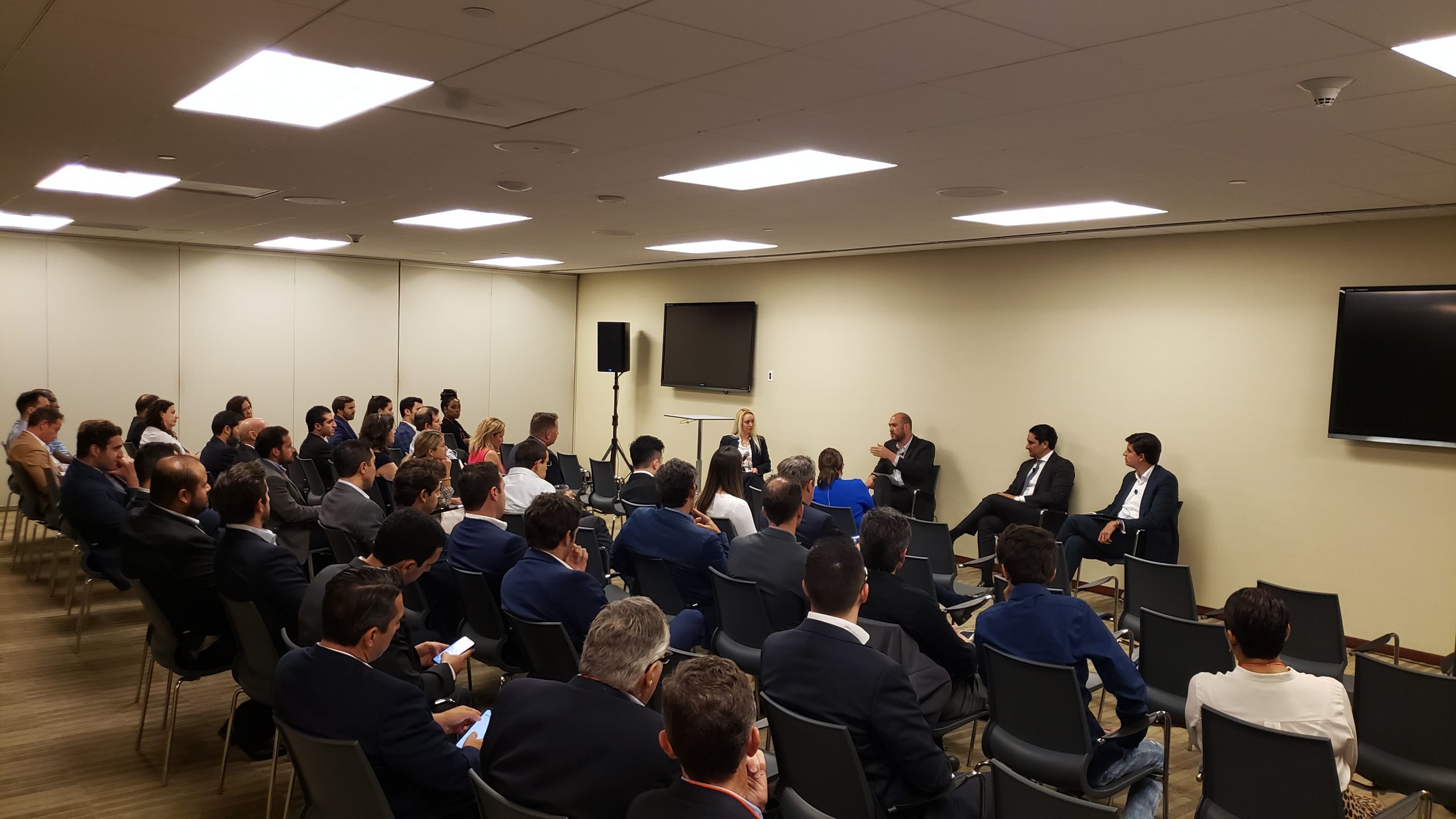
Las inversiones alternativas están ganando cada vez más terreno en Miami y por esto, CAIA Miami preparó un evento educativo, titulado Private Equity / Venture Capital Outlook y moderado por Amy S. Lawrence del US Trust / Miami Finance Forum.
En el evento, que tuvo lugar el miércoles 18 de septiembre y fue patrocinado por Lloyd Crescendo Advisors, se discutieron las tendencias y oportunidades del mercado de inversiones alternativas en el entorno actual del mercado.
De acuerdo con Nayef Perry, de Hamilton Lane: «Este es el momento de Miami. El espacio de inversión alternativa se expande y el grupo de talentos está creciendo a pasos agigantados”.
Para navegar este espacio, Yuval Avni, de Crescendo Ventures, recomendó el que «como inversionista de venture capital, nunca te arrepientas de las inversiones que no realizaste, pero siempre preocúpate por las inversiones que sí».
Por su parte, Roque Calleja, que lidera al equipo de especialistas en activos alternativos en BlackRock, agregó que “lo que ha funcionado en los mercados privados en el pasado no necesariamente funcionará en el futuro. Los inversores ya no pueden invertir para el futuro mirando en el espejo retrovisor. Hay niveles significativos de dry powder en el espacio hoy en día y los inversores se están centrando muy prudentemente en gestores que tienen recursos, acceso y escala. El tener fuertes capacidades de sourcing serán fundamentales no solo para la implementación de capital sino también para conseguir rendimientos diferenciados».
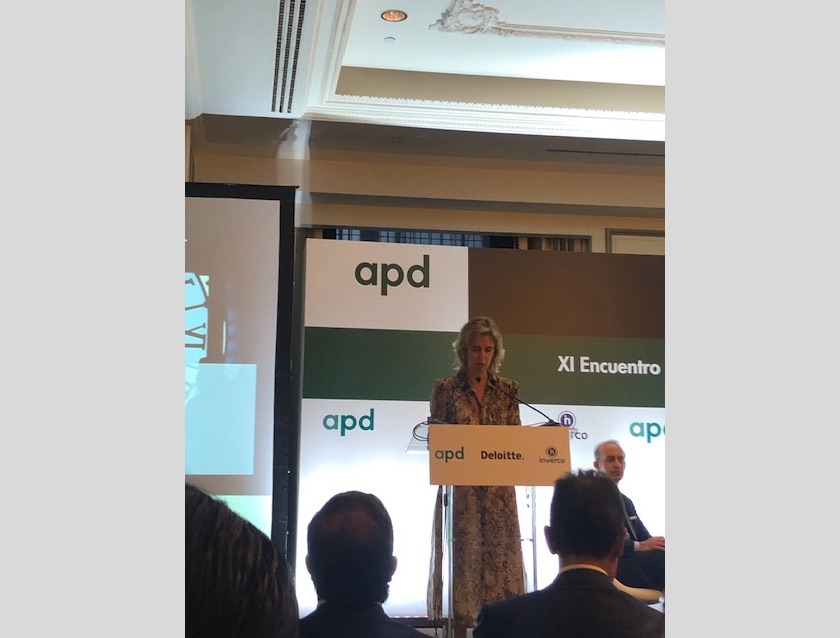
La industria de la inversión colectiva goza de buena salud, pero se enfrenta a un momento “delicado”: así lo reconoció Ana maría Martínez-Pina, vicepresidenta de la CNMV, en el marco del XI Encuentro Nacional de la Inversión Colectiva organizado por la apd, Deloitte e Inverco y celebrado esta mañana en Madrid. Delicado porque, a pesar de que el sector sigue creciendo (el crecimiento de gestoras iniciado en 2014 ha dado como resultado que a finales de 2018 hubiera inscritas 119 entidades, 10 más que en 2017, y en lo que va de año se han creado cuatro nuevas, mientras el patrimonio sigue elevándose), hay retos sobre la mesa, sobre todo una situación de incertidumbre en los mercados, con las tensiones comerciales, las negociaciones del Brexit y las perspectivas de crecimiento mundial en su nivel más bajo tras la crisis financiera como protagonistas.
Un contexto también marcado por las consecuencias de una regulación europea, MiFID II, que entró en vigor hace casi dos años pero que en España se transpuso meses después: “Han pasado casi dos años y la regulación ha tenido un efecto claro tanto en las gestoras como en sus clientes”, dijo. Entre esas consecuencias, el regulador instó a las gestoras a emitir el informe anual de gastos que han de proporcionar a sus clientes “a la mayor brevedad posible” una vez acabe 2019 y valora la publicación de unas pautas aclaratorias –vía documento de preguntas y respuestas- para marcar un plazo máximo razonable para que remitan esa información sobre gastos a sus clientes. “Las gestoras tienen la obligación de remitir a sus clientes información detallada, de forma anual, sobre comisiones y gastos que les aplican. 2019 será el primer ejercicio sobre el que deban hacerlo; si bien la normativa no establece un plazo máximo para facilitar la información, creemos que debería facilitarse a la mayor brevedad posible una vez cerrado el año objeto de reporte”, dijo.
Sobre las consecuencias de la normativa, también señaló que, como resultado del nuevo régimen de incentivos, se ha incrementado el servicio de asesoramiento: “Hemos observado que el nuevo régimen de incentivos en la comercialización ha supuesto un incremento del servicio de asesoramiento, centrado a veces en IICs gestionadas por el propio grupo, con seguimiento de la idoneidad de las recomendaciones como elemento clave para justificar el cobro de incentivos”. La vicepresidenta de la CNMV ofreció algunos datos: en 2019, los minoritas que han contratado asesoramiento ascienden a 1,9 millones, con un volumen de 175,2 millones de euros, un incremento del 77% con respecto al ejercicio previo. Los ingresos por el servicio ascienden a 594 millones de euros en 2018, un 15% más con respecto a 2017. En 2018 había también 1,3 millones de clientes minoristas con servicios contratados de gestión discrecional de carteras, más del 21% con respecto al año previo, y con un patrimonio de 70.700 millones de euros.
Sobre el resto de normas relacionadas con MiFID II, reconoció que aquellas relacionadas con el análisis y la información a inversores resultan “un tanto excesivas en cargas para las empresas, debilitando el negocio de los operadores locales”, algo que quieren rectificar: “Queremos seguir de cerca la evolución del sector y trataremos de proponer las medidas convenientes para solventar los problemas que generen las normas”.
El foco de trabajo
Actualmente, el regulador tiene su foco puesto en factores como la liquidez, aunque su análisis de 2018 en fondos concluye que “realmente el riesgo en general es reducido”. “Estamos trabajando en el seguimiento de la liquidez de los fondos de inversión. En los últimos meses se han dado dos casos de problemas en Europa y ello ha provocado preocupación en los supervisores, incluida ESMA. La CNMV analiza también la liquidez pero no es algo nuevo”, indicó. Aseguró que es importante que las gestoras tengan controles adecuados: en concreto, deben tener procedimientos de control de liquidez y evitar conflictos de interés entre inversores, deben disponer de metodología para establecer el nivel de liquidez y el horizonte para liquidar y poner umbrales a inversiones que pueden presentar mayores problemas. También deben realizar pruebas de estrés del activo y del pasivo para identificar problemas e implementar planes de contingencia para activar mecanismos admitidos en la normativa, como side pockets, suscripciones y reembolsos parciales o suspensión de reembolsos.
Otro de los focos de trabajo es la emisión de guías técnicas para transmitir al sector criterios y prácticas fruto de la experiencia supervisora. En concreto, habló del plan para 2019 de emitir una guía técnica para las gestoras sobre los procedimientos de selección de intermediarios financieros: “Deben seleccionar a entidades a las que transmitirán las órdenes buscando el mejor interés de las IICs y de los clientes y prestando atención a la prevención de conflictos de interés”. La información publica ya finalizó antes de verano, y el regulador está valorando comentarios para incorporarlos al texto definitivo antes de que finalice 2019. También trabaja en una guía técnica sobre el procedimiento de autorización de nuevas entidades, con recomendaciones para agilizar los procesos, que son laboriosos. La guía ofrece la posibilidad de tener contactos previos con la CNMV, una especie de prenotificación para identificar los aspectos más relevantes del proyecto y para que la CNMV pueda hacer una valoración rápida. Y hay otra novedad: un formulario de documentación y autocomprobaciones para asegurar que la documentación es suficiente y coherente.
Avances en ESG
Otro foco de trabajo es la ESG, y la CNMV quiere integrar aspectos de este tipo en las cotizadas y las IICs. “En nuestra estrategia de 2019-20 está contribuir a generar un mercado competitivo, y estamos comprometidos en impulsar el desarrollo de las mejores prácticas en temas de ESG”, explicó. La lista de fondos que invierten teniendo en cuenta estos principios se ha multiplicado en poco tiempo, pero por ahora siguen siendo una minoría: se han registrado 17 fondos solidarios (que ceden parte de comisión gestión a ONGs), y 37 fondos que aplican criterios ESG en sus inversiones; el patrimonio conjunto a julio de 2019 era 2.000 millones de euros. “Estamos participando en foros internacionales, para ver el papel del supervisor en las finanzas sostenibles, tratando de velar para que los inversores estén bien informados, asesorados y que tengan información fiable y clara”.
También con atención a las propuestas normativas de la Comisión Europea para financiar un crecimiento sostenible, cuatro principalmente: la propuesta de reglamento sobre taxonomía para aclarar qué es la ESG; la modificación del reglamento sobre índices de referencia, que ha incluido dos nuevos relacionado con el cambio climático; el reglamento aprobado sobre información que se tiene que dar sobre ISR y sus riesgos; y una propuesta en la que se está trabajando sobre el estándar de bonos verdes a nivel europeo. “A nivel nacional hemos promovido un grupo con varios supervisores, como el Banco de España, la Dirección General de Seguros y Fondos De Pensiones, la Dirección General del Seguro y la Oficina del cambio climático para intercambiar experiencias y cooperar”, añadió.
“Hemos comenzado octubre con dudas en los mercados, y hemos de seguir trabajando para que el sector de la inversión colectiva ocupe el lugar que le corresponde en la estructura de ahorro de las familias. Las IICs se han consolidado cmo vehículo más eficiente para canalizar el ahorro de los ciudadanos y el reto es mantener esta posición”, apostilló.
El fondo de renta variable internacional HAMCO Global Value Fund ha sido autorizado por la CNMV para su comercialización en España. El vehículo, gestionado por Esfera Capital, está asesorado por HAMCO Financial y está liderado por John Tidd, quien cuenta con 20 años de experiencia en la gestión de productos de inversión alternativos no domiciliados o registrados en España siguiendo una filosofía value y acumula una rentabilidad anualizada de un 17%.
HAMCO Global Value Fund es un fondo de renta variable internacional, cuyo índice de referencia a efectos comparativos es el MSCI Daily Net TR World Ex US (Euros) Index, que puede invertir en empresas de cualquier sector, capitalización y geografía. El objetivo del fondo es obtener la apreciación del capital a largo plazo con una volatilidad inferior al 25% anual. El fondo, que sigue una filosofía value, se centra en encontrar compañías infravaloradas por el mercado que cuenten con potencial de crecimiento y de revalorización a largo plazo.
Para identificar dichos activos infravalorados, HAMCO Global Value Fund utiliza un modelo de análisis y selección propio, con un enfoque fundamental bottom up, centrado en el crecimiento del capital a largo plazo. En dicho análisis se realiza un estudio detallado de toda la información financiera de los últimos 10 a 20 años tomando en cuenta parámetros como el nivel de endeudamiento, la rentabilidad histórica, la liquidez, el momento del ciclo de negocio, y especialmente, las expectativas de crecimiento. El horizonte de inversión recomendado es a largo plazo (cinco años).
«Buscamos buenas compañías que cotizan con descuento. Para ello, analizamos su valoración actual y estimamos una rentabilidad esperada de la inversión a largo plazo. También estudiamos en profundidad el riesgo que entraña el negocio y nos centramos en el análisis financiero de las compañías”, dice Tidd. Además, durante el proceso de selección de valores, se busca conocer las empresas y muchas veces a su equipo directivo de primera mano, según explica Tidd. “Estas reuniones nos permiten saber más de las compañías, de la calidad del equipo ejecutivo e incluso del país y sector donde se va a invertir”.
Para José David Cortés, director comercial de Esfera Capital, “el estilo de inversión value que realiza John y el exhaustivo análisis que lleva a cabo le han permitido obtener resultados únicos en el mercado de fondos internacional. Cuenta con una rentabilidad acumulada anualizada del 17% desde que comenzó a gestionar fondos de inversión alternativa en diciembre de 1999. En Esfera Capital siempre buscamos atraer y trabajar con profesionales que aporten valor a los fondos que gestionamos y comercializamos”.
Santander Security Services actúa como depositario de HAMCO Global Value Fund y Deloitte como auditor.
Aunque a corto plazo el comportamiento de la bolsa muchas veces es aleatorio, a largo plazo los fundamentales siempre tienden a sobreponerse.
Si hacemos una encuesta actualmente, la mayoría de los inversores profesionales se encuentran bastantes escépticos con lo que pueda suceder de aquí a final de año, pero sin embargo opinan que el año 2020 va a ser un año clave en el que pueden materializarse fuertes correcciones en los mercados.
Una de las cosas que más llama la atención son las estimaciones económicas de los grandes directivos de las empresas (también llamados insiders).
Aunque el hecho de que estos directivos o insiders vendan las acciones que poseen de su compañía no tiene por qué significar nada malo (pueden estar simplemente vendiéndolas para hacer frente a algún gasto corriente privado que tengan), lo cierto es que no deja de ser un aviso, ya que no hay nadie que tenga más información de la empresa que la persona que está en el órgano de dirección y tiene información de las expectativas de beneficios de la compañía de primera mano.
Como se puede observar a continuación, los insiders han vendido casi 28.000 millones de dólares en lo que llevamos de año, es decir, las ventas de los grandes directivos de las empresas se encuentran en máximos de 20 años:
Si comparamos los niveles de ventas con el comportamiento de las bolsas, podemos observar cómo los niveles máximos siempre suelen coincidir con años previos a grandes correcciones:
Además, continúa el debate latente sobre si las empresas tecnológicas americanas denominadas FANG (abreviatura de Facebook, Amazon, Netflix y Google) tienen sobrevalorado su precio de cotización, o por el contrario, siguen teniendo potencial de subida.
Una de las empresas que más actividad tienen los insiders es Facebook. En el caso de Facebook, Mark Zuckerberg (CEO de Facebook) suele ser bastante activo en este tipo de operaciones de venta de acciones de su propia compañía antes de que se produzcan determinadas correcciones.
Como se puede ver a continuación, siempre que Mark Zuckerberg ha vendido acciones de la compañía, ha sido una señal bajista, habiendo una caída del precio de cotización de Facebook tarde o temprano:
Si analizamos cuáles están siendo sus movimientos este año, se puede observar cómo ha realizado dos movimientos de ventas, uno en el mes de abril antes de las caídas de mayo/agosto y otro lo está realizando ahora, lo que puede ser una señal de que espera que haya caídas de la acción de Facebook próximamente:
Veremos cómo acaba el año, pero no es buena señal que los propios directivos sean los que se encuentran deshaciéndose de las acciones que poseen de sus propias empresas, ya que lo más probable es que no vean bien el panorama para el próximo año.
Para nada es nuestra intención causar sensación de pánico contando estas circunstancias. De hecho, lo bueno es contar con esta información para acertar en los activos en los que invertir en los fondos.
Los ciclos económicos y las correcciones en las bolsas van a seguir ocurriendo periódicamente queramos o no. Nuestro objetivo es adelantarnos y acertar tomando posición en aquellos activos que estén baratos, es decir, que podemos dar rentabilidad positiva en los fondos aún los años en los que haya caídas en las bolsas si sabemos anticiparnos.
Tribuna de Carlos Mendoza Domínguez, portavoz de gestión de Altair Finance AM
CC-BY-SA-2.0, FlickrFoto: Matt Johnson. Foto: Matt Johnson
Las noticias aparecidas recientemente sobre las intenciones de la Administración Trump de restringir los flujos de inversión estadounidenses hacia China son un motivo de preocupación, pero serían muy difíciles de llevar a la práctica. Según apunta Paras Anand, responsable de gestión de activos para Asia-Pacífico en Fidelity International, también representan el intento más reciente de oponerse a dos grandes tendencias del sector financiero internacional como son la internacionalización de China y la inversión sostenible.
Las medidas estadounidenses son cuestionables y yerran el tiro
A pesar de declarar abiertamente que su objetivo es negociar el fin de las tensiones comerciales actuales con China, aparentemente la Administración Trump está considerando intervenir en los mercados para restringir los flujos de capitales hacia valores chinos.
Según algunas noticias aparecidas recientemente, se están discutiendo medidas en EE.UU. que incluyen forzar la exclusión de empresas chinas de las bolsas estadounidenses y posibles restricciones a las inversiones de los fondos de pensiones estadounidenses en valores chinos.
Cuando estalló la guerra comercial el año pasado, pocos podían esperar que los aranceles sobre productos chinos alcanzaran los niveles actuales. Así pues, la noticia de que EE.UU. podría convertir al sector financiero en su próximo objetivo será acogida con lógico nerviosismo a la vista de que, según lo que recogen los medios, “puede pasar de todo”.
Sin embargo, en la opinión de Anand, esta nueva amenaza resulta especialmente hueca. Una intervención tan directa en el funcionamiento de los mercados de capitales estadounidenses tendría muchas dificultades para conseguir el necesario apoyo político interno, por no hablar de la aprobación de las preceptivas reformas de la normativa de los mercados financieros.
En un sentido diferente, las medidas propuestas son el ejemplo más reciente de los esfuerzos de la administración Trump por oponerse a las tendencias predominantes en el sector financiero mundial. Una de ellas es la internacionalización de China y la otra es el auge de la inversión sostenible.
Recientemente, la Administración Trump movió ficha para restringir el desarrollo de la inversión sostenible en los grandes fondos de pensiones estadounidenses; así, el Departamento de Trabajo señaló que el objetivo primordial de estos fondos es generar rentabilidades y que las consideraciones medioambientales, sociales y de gobierno corporativo deberían quedar en un segundo plano.
Eso implica que existe un conflicto entre la obtención de rentabilidades financieras y la sostenibilidad. Sin embargo, la incorporación de los factores de sostenibilidad a las estrategias de inversión es una tendencia internacional que está surgiendo precisamente porque la mayoría de los actores del mercado cree que ayudará a mejorar las rentabilidades a largo plazo.
Por tanto, el Departamento de Trabajo parece estar remando contra la corriente de las consideraciones ESG, lo que tiene como potencial consecuencia obvia que los administradores de los vehículos se sientan constreñidos en sus decisiones de asignación de activos de una forma que podría perjudicar a los inversores.
Lo mismo se podría decir de la propuesta de restricciones financieras en EE.UU., en el sentido de que se opondrían al creciente interés que vienen mostrando los inversores por los mercados de capitales de Asia y, especialmente, de China. Las empresas que elaboran índices internacionales de renta variable y renta fija tienen una buena razón para retocar su proceso de inclusión y así reflejar la creciente importancia de los valores chinos.
Actualmente, Asia representa más del 40% de la producción económica mundial, pero únicamente alrededor de una quinta parte de los índices de referencia internacionales más utilizados. En Asia también se está asistiendo al crecimiento del número de valores cotizados, en contraste con EE.UU., donde la transición de los mercados públicos a los privados ha reducido considerablemente el número de valores cotizados durante la última década.
Como inversores internacionales, en Fidelity International saben que se está viviendo una época sin precedentes en lo político en la que están surgiendo no pocas amenazas que se oponen a las corrientes de la globalización, pero las propuestas más recientes para contener el auge de los mercados de capitales de China e impedir el acceso de los inversores a ellos parecen estar mal enfocadas.
Foto cedidaJosé María Martínez-Sanjuán, miembro de banca privada global de Santander.. José María Martínez-Sanjuán se une a la división de banca privada global de Santander
Durante el verano, Santander trasladó al equipo de selección de fondos de Reino Unido a Madrid, con el objetivo de estar más cerca de sus clientes. Según ha podido confirmar Funds Society, este cambio también ha afectado a José María Martínez-Sanjuán, que pasa de liderar el equipo de selección de fondos en el Reino Unido a la división de banca privada global que la entidad financiera tiene en Madrid.
Esta reestructuración fue anunciado por la entidad en junio de este año. Hasta el momento se conocía que, tal y como adelantó Funds Society, la gestora integrará a ese equipo de selectores en la unidad de Wealth Management: una parte de ellos formarán parte de la estructura de banca privada –para acercar el servicio al cliente final- y otra parte se integrará en la gestora, según fuentes cercanas a la gestora de fondos. Sin embargo no estaba cerrado cómo quedaría el equipo ni cuál sería el cargo de José María Martínez Sanjuán.
Este movimiento ha supuesto la reubicación de cinco de los diez miembros que tenía el equipo en Londres entre la división de banca privada del Grupo Santander y su negocio de gestión de activos. Esta unidad, llamada Manager Research and Selection, tenía su sede en la capital del Reino Unido desde 2012.
Otro de los últimos movimiento que realizó la entidad en el Reino Unido fue, en julio de este año, al incorporar a Antonio Román, director financiero de Santander UK, a Santander España como director de Banca Comercial, una función de nueva creación que tendrá como objetivo impulsar el negocio y los planes de ejecución comercial en una red única, una vez culminada la integración con Popular.
Foto cedidaMark Denham, responsable de renta variable europea en Carmignac.. Mark Denham (Carmignac): “Europa y su potencial están infravalorados, especialmente en el ámbito de la innovación”
Europa se enfrenta a grandes desafíos como el Brexit, las relaciones de Italia con la Unión Europa o el menor crecimiento de Alemania. En opinión de Mark Denham, responsable de renta variable europea en Carmignac y gestor de los fondos Carmignac Portfolio Grande Europe y Carmignac Portfolio Patrimoine Europe, hay que ser conscientes de todos ellos, pero no obsesionarse para no perderse las oportunidades de inversión que el viejo continente presenta.
¿Qué papel están desempeñando las estrategias de renta variable europea en las carteras de los inversores?
Debemos ser conscientes de los desafíos q los que se enfrenta Europa, pero en vez de obsesionarnos con ellos, deberíamos tratar de sacarles partido. Identificar oportunidades allí donde residen las dificultades y encontrar lo que otros no son capaces de ver: este es nuestro verdadero papel en calidad de profesionales de la gestión activa de fondos. La regla de oro que nos hemos fijado para invertir en Europa es mantener un enfoque bottom-up. Asimismo, tenemos que tener en cuenta que invertimos en un horizonte temporal de tres a cinco años, con la volatilidad que ello conlleva, especialmente a causa de los acontecimientos políticos. Deberíamos ver esta volatilidad como una oportunidad que podríamos intentar aprovechar, no como un lastre que obnubile todos nuestros pensamientos.
A principios de año, escuchamos que era mejor invertir en renta variable estadounidense, dado que se consideraba que la fase alcista del ciclo no había terminado. A este respecto, ¿por qué la renta variable europea constituye ahora una oportunidad interesante?
El efecto contagio de una economía mundial en fase de ralentización, especialmente en China, ha afectado de forma mucho más directa y duradera a Europa, sobre todo a Alemania, que a EE. UU. De hecho, el descenso de la producción en Alemania se ha propagado ahora al sector servicios. En calidad de inversor en Europa, estoy acostumbrado a la situación de menor crecimiento en el viejo continente frente al resto del mundo, por lo que trato de identificar empresas con potencial de crecimiento que sean menos dependientes del ciclo. Sin embargo, este contexto exige incorporar un enfoque muy activo en la selección de activos de cara a obtener rentabilidades superiores. De hecho, el viejo dicho ·cuando sube la marea todos los barcos flotan· no aplica en esta coyuntura. Por tanto, debemos buscar de forma exhaustiva para encontrar oportunidades interesantes. Desde el punto de vista de las valoraciones, la renta variable europea muestra actualmente niveles atractivos, dado que la confianza del mercado se encuentra en cotas mínimas y las valoraciones están relativamente baratas, con una ratio precio de mercado/beneficios de 15 y una rentabilidad por dividendo del 4 %. Además, las previsiones de beneficios ya habían caído hasta una tasa prudente de 1 %-2 % para 2019, lo que apuntala las expectativas para las empresas y las valoraciones de mercado, un factor que consideramos atractivo para los inversores a largo plazo. Teniendo en cuenta estos datos, resulta complicado negar que podríamos estar ante un buen punto de entrada —es decir, una oportunidad—, aunque no puedo garantizar que los mercados de renta variable vayan a repuntar de forma inmediata.
Con respecto a este tipo de estrategia, ¿cuál es la mayor preocupación para los inversores?
Hemos oído hablar mucho sobre el efecto de la guerra comercial en los mercados, pero en Europa tenemos que hacer frente al Brexit, a la situación de Italia y a la ralentización de Alemania, que constituyen los principales focos de preocupación.
¿Hasta qué punto afectan estos factores a la renta variable europea? ¿Sigue siendo una gestión de riesgo?
En Europa, las preocupaciones en el plano regional (como, por ejemplo, el Brexit) se ven agravadas por unas perspectivas mundiales inciertas. Además, no podemos olvidar los cambios sociales: cómo nos comunicamos e interactuamos, cómo abordamos las preocupaciones medioambientales y la transición hacia una ciudadanía más responsable. Todas estas tendencias, a su vez, afectan al contexto del consumo. Los países, los sectores y las empresas deben adaptarse a estos cambios y a las tendencias estructurales que dan forma a un mundo cada vez más globalizado. Europa no tiene alternativa: debe adaptarse a estos cambios. Los mercados podrían registrar una mayor volatilidad y la rentabilidad podría polarizarse aún más. Las turbulencias y complejidades seguirán empañando las nuevas oportunidades y ocultando los diamantes en bruto. No obstante, los inversores deberían buscar con atención para captar las ventajas que pudieran surgir en una coyuntura cambiante y que solo podrán materializar aquellos que se atrevan y que tengan capacidad de adaptación. Muchos buscarán rentabilidad en otros lugares. Podrían verse desalentados por la incertidumbre o dubitativos ante los obstáculos y priorizar las inversiones de consenso.
¿Qué oportunidades ofrece Europa?
Europa y su potencial están infravalorados, especialmente en el ámbito de la innovación, donde existen multitud de oportunidades para los inversores en renta variable que se tomen el tiempo de buscar. Un ámbito clave que los inversores europeos suelen pasar por alto es el segmento biotecnológico. Este brinda un nicho de títulos tecnológicos de elevado crecimiento a largo plazo a cualquier inversor que cuente con la suficiente experiencia y perspicacia para encontrarlos y con la flexibilidad para exponerse a ellos. También consideramos que las ofertas públicas de venta (OPV) constituyen una posible vía adecuada para actualizar las carteras si las compañías cumplen nuestros criterios. Participamos en varias salidas a bolsa a través de OPV durante el periodo. La mayor participación fue en Stadler Rail, un productor de material rodante cotizado en Suiza que ha mostrado un rápido crecimiento y ha pasado a ser un actor significativo del sector gracias a su saber hacer técnico en la fabricación de vagones más ligeros y la electrificación, así como a su estructura modular, que le permite responder de forma más personalizada a las solicitudes de los clientes y entregar los pedidos de forma puntual.
¿Qué países o regiones son su prioridades?
Cuando invertimos, no lo hacemos por países. Adoptamos un enfoque bottom-up, esto es, nuestro proceso de inversión se centra en negocios con rendimientos del capital estables y elevados que reinviertan sus beneficios. Alemania es nuestra mayor exposición, donde nos centramos principalmente en empresas de software, como SAP. También participamos en la salida a bolsa de Knorr-Bremse.
¿Qué buscan a la hora de elegir valores europeos? ¿Qué características tienen las empresas en las que invierten?
Los precios de la renta variable pueden fluctuar diariamente como resultado de múltiples motivos: datos macroeconómicos, beneficios, ruido político, etc. No obstante, a largo plazo, el precio siempre reflejará el funcionamiento del negocio subyacente. Por tanto, nuestra filosofía se basa en la capacidad para identificar qué empresas tienen las mejores perspectivas a largo plazo mediante la búsqueda de empresas con beneficios elevados y sostenibles que reinviertan sus ganancias de cara a obtener mayores beneficios en el futuro. Además de estas características financieras y en sintonía con nuestro enfoque a largo plazo, incluyo también criterios extrafinancieros para ampliar mi abanico de posibilidades de inversiones sostenibles.
Foto cedidaCarla Bergareche, directora general de Schroders en España y Portugal.. Schroders facilita el acceso de los inversores al private equity con un nuevo fondo
Schroders lanza un fondo especializado en private equity que, según ha explicado, proporciona una mayor flexibilidad de inversión para un amplio abanico de clientes profesionales. El fondo Schroder GAIA II Specialist Private Equity resuelve una serie de factores que tradicionalmente han dificultado el acceso a esta clase de activos: ofrece suscripciones mensuales, reembolsos trimestrales y los inversores también pueden obtener exposición con una inversión mínima de 50.000 dólares.
Según ha explicado la gestora, Schroder Adveq, el equipo especializado en private equity de Schroders, gestionará la estrategia. Schroder Adveq, adquirida en 2017, gestiona inversiones de private equity a través de una serie de estrategias de inversión.
El fondo se centrará en las compras de pequeñas y medianas empresas en Europa y EE.UU., abarcando compañías que normalmente tienen un valor empresarial de menos de 250 millones de dólares. “Las empresas de ese tamaño no suelen cotizar en bolsa y, por lo tanto, no se encuentran en la mayoría de las carteras de los inversores”, apunta la firma.
El fondo también invertirá en empresas asiáticas que puedan beneficiarse del crecimiento de la demanda interna y de la floreciente clase media en China e India. La gestión de la liquidez se ha integrado en el diseño del fondo, mediante una combinación de diseño de cartera y herramientas de liquidez.
«Invertir en private equity ha estado tradicionalmente fuera del alcance de la gran mayoría de los inversores, al margen de los grandes institucionales. Pero el lanzamiento del fondo Schroder GAIA II Specialist Private Equity permitirá a un mayor número de inversores acceder a esta clase de activos cada vez más relevante», explica Carla Bergareche, directora general de Schroders en España y Portugal.
GAIA II es la plataforma de gestión de alternativos líquidos de Schroders que, junto a la plataforma GAIA I, proporciona a los inversores acceso a una oferta diversa de hedge funds.
Pixabay CC0 Public Domain. Amiral Gestion firma una alianza con GO Japón y refuerza su presencia en Asia
Amiral Gestion refuerza su presencia en Asia, especialmente en Japón, a través de una alianza con GO Japan (Governance for Owners Japan). De esta forma, la gestora continúa con su crecimiento en esta región, tras abrir una oficina en Singapur, y anuncia la implementación de una nueva iniciativa en Japón a través de esta alianza empresarial.
En relación con este acuerdo Julien Lepage, director general de Amiral Gestion, ha declarado: “Amiral Gestion lleva más de siete años invirtiendo en Japón, especialmente en pequeñas y medianas empresas. Con GO Japan ahora podremos trabajar de manera constructiva junto con la dirección de las empresas locales para acelerar su transformación, mejorar su transparencia, eficiencia y rentabilidad y, en general, su contribución a la sociedad. Esta asociación se inscribe en el marco de nuestro compromiso con las pequeñas y medianas empresas francesas y europeas”.
Amiral Gestion es la primera entidad francesa que se asocia con GO Japan. A raíz de este acuerdo ya se han realizado algunas inversiones, en concreto en el sector industrial, incluidas en las carteras de los fondos Sextant Grand Large y Sextant Autour du Monde, coordinados por Louis d’Arvieu, gestor de Amiral Gestion. Fundada en 2007, GO Japan es una empresa de inversión y asesoría con sede en Tokio especializada en el compromiso constructivo de los accionistas con las pequeñas y medianas empresas japonesas a través de una relación a largo plazo.
“Las pequeñas y medianas empresas japonesas cotizadas tienen un seguimiento escaso [por parte de los principales analistas]. Sin embargo, muchas de ellas cuentan con un perfil poco común a nivel global: productos excelentes, potencial de revalorización internacional, abundante flujo de caja y bajas valoraciones. Ahora son conscientes de la necesidad de acelerar sus esfuerzos en términos de I+D, digitalización, diversidad de talentos, conciliación laboral, los principios de subsidiariedad internacional, adquisiciones y, a veces, una compensación más consistente para los accionistas. En estos procesos de cambio, aprecian el apoyo de accionistas constructivos y con visión de largo plazo. Es por ello que nos complace poder trabajar con GO Japan”, añade.
Pixabay CC0 Public Domain. El grupo asegurador sueco Folksam elige a Allfunds como su plataforma de fondos de inversión
Allfunds colaborará con el grupo sueco líder de seguros Folksam poniendo a su disposición su plataforma de fondos de inversión y su oferta integrada de herramientas digitales de inteligencia de datos. Folksam, uno de los mayores gestores de inversión en Suecia, contará ahora con el respaldo de Allfunds y sus soluciones integrales para fondos de terceros.
Con este acuerdo, Folksam obtiene acceso a una extensa oferta de fondos de inversión, una plataforma de negociación de fondos totalmente automatizada con soluciones integradas de gestión de datos, además de la experiencia de uno de los equipos de investigación de fondos más grandes de Europa.
Para Allfunds, el acuerdo con Folksam supone una gran oportunidad para asociarse con uno de los principales actores del mercado sueco de seguros desde 1908, y así, a través de sus soluciones innovadoras y eficientes en fondos de terceros, refuerza su posición de liderazgo en el mercado sueco.
“Estamos realmente entusiasmados con este nuevo acuerdo y por la oportunidad de trabajar junto a Folksam, un grupo líder de seguros en Suecia. Folksam es un socio clave para nuestra empresa y muy importante en nuestro ambicioso plan para el mercado nórdico en general, así como nuestros objetivos de crecimiento de nuestra nueva oficina de Estocolmo», ha explicado Juan Alcaraz, consejero delegado de Allfunds.
Con el fin de atender a los clientes de manera óptima y con la experiencia local familiarizada con las particularidades del mercado de fondos sueco, Allfunds acordó a principios de este año la adquisición de Nordic Fund Market con sede en Estocolmo.