Pixabay CC0 Public Domain. Los activos netos bajo gestión en fondos de inversión a nivel mundial aumentaron un 1,6% durante el segundo trimestre de 2019
La industria global de fondos continúa su crecimiento. Según los datos del último informe publicado por Efama correspondiente al segundo trimestre de 2019, los activos bajo gestión en fondos de todo el mundo aumentaron un 1,6%, alcanzando los 48,8 billones de euros en el segundo trimestre de 2019, mientras que las ventas netas mundiales de fondos ascendieron a 316.000 millones de euros.
Este leve aumento de los activos bajo gestión a nivel mundial demuestra que pese a los eventos y la incertidumbre política, la industria sigue teniendo un buen músculo. Además, el informe de Efama pone de manifiesto otras tendencias como por ejemplo las fuertes ventas en fondos de bonos como respuesta a un crecimiento económico más lento y ante la posición del BCE y la Reserva Federal de Estados Unidos sobre su política monetaria.
“Los fondos de bonos mundiales registraron entradas netas de 211.000 millones de euros en el segundo trimestre de 2019, en comparación con las entradas netas de 236.000 millones de euros en el primer trimestre de 2019, y las salidas netas de 59.000 millones de euros en el cuarto trimestre de 2018. Estas fuertes ventas globales se debieron principalmente a las entradas en los Estados Unidos y Europa”, apunta el documento.
También apunta que las salidas netas de los fondos de renta variable continúan como respuesta de los inversores a las tensiones comerciales, a su preocupación por el crecimiento mundial y a la volatilidad del mercado de valores. “Los fondos de renta variable mundiales registraron salidas netas de 36.000 millones de euros en el segundo trimestre de 2019, en comparación con las salidas netas de 22.000 millones de euros en el primer trimestre de 2019 y las entradas netas de 99.000 millones de euros en el cuarto trimestre de 2018”, explica en sus conclusiones. En este sentido, Europa y EE. UU. registraron salidas netas en el segundo trimestre de 2019, que no fueron totalmente compensados por las entradas netas en Japón y China.
Los fondos monetarios marcaron una tendencia totalmente divergente y mientras éstos atrajeron 107.000 millones de euro de dinero nuevo en Estados Unidos, los fondos chinos monetarios experimentaron salidas netas de 61.000 millones de euros en respuesta a los menores rendimientos y la competencia de los productos de gestión de patrimonio de los bancos.
Según explica Bernard Delbecque, director senior de economía e análisis de Efama, “las ventas netas de fondos de inversión mundiales se mantuvieron estables en el segundo trimestre de 2019, gracias a la fuerte demanda de fondos de bonos en un entorno de tasas de interés en declive».
Ante la presesencia de una concurrida audiencia conformada por «decisión makers » del cono sur, Advise Wealth Management realizo en Buenos Aires su conferencia anual de perspectivas económicas. En esta ocasión, Advise contó con la presencia del economista Miguel Bein, considerado un referente y consultado por ministros de economía y jefes de estado.
En su presentación, Miguel Bein brindo su visión de cara al proceso electoral de Argentina, incursionando en temas como las perspectivas del tipo de cambio, la inflación y el eventual control de capitales para el próximo año.
Por otra parte, Miguel Sulichin, CEO de Advise explicó la importancia del manejo activo de portafolios y lo fundamental que es el monitoreo continuo, acorde con los nuevos desafíos mundiales no solo en el plano económico, sino también en el geopolítico.
El encuentro culminó con preguntas y respuestas por parte de la audiencia previo a un cocktail de cierre.
Pixabay CC0 Public Domain. Tres maneras de gestionar el riesgo de liquidez en los mercados de deuda
El riesgo de liquidez ha protagonizado algunos titulares recientemente después de que implosionaran varios fondos destacados. Ahora arranca la búsqueda de formas para gestionarlo y proteger las carteras frente a futuros retrocesos; pero no todos los inversores estarán a la altura, asegura AllianceBernstein en un análisis de sus estrategas senior de inversión Markus Peters y Flavio Carpenzano.
La restricción de la liquidez viene gestándose desde la crisis financiera global, ya que el endurecimiento de la regulación ha forzado a los bancos a fortalecer sus balances y reducir su exposición a negocios como los del sector inmobiliario. ¿El resultado? Sus principales negocios ya no inyectan una holgada liquidez a los mercados, por lo que el riesgo de liquidez se ha trasladado desde los bancos hasta los tenedores de bonos y acciones. “Creemos que los inversores tienen que responder asegurando el uso de una gobernanza rigurosa, tecnología avanzada y una construcción de cartera que tiene en cuenta el riesgo”, apuntan los analistas.
1. Un marco de gobernanza riguroso
La primera salvaguarda contra el riesgo es una mejor gobernanza. Para el de liquidez, significa que los gestores de carteras deben monitorizar constantemente las asignaciones y las cotizaciones de los valores. Según AllianceBernstein, los precios que excedan los de los valores equiparables o que se mantengan estáticos durante largos periodos de tiempo pueden ser buenos indicadores de riesgo, incluyendo el de liquidez.
“Un proceso diario y efectivo de gobernanza debería incluir controles de la variación de los precios internos y revisiones de informes de excepción. Con menor frecuencia (unos 5 días), esos controles de precios deberían ser cotejados con vendedores externos y, mensualmente, el equipo de gobernanza debería analizar y discutir con los gestores los datos de fijación de precios y liquidez”, asegura la gestora. Además, apunta que, como parte de estas revisiones, la liquidez de las carteras debería ser sometida a pruebas de estrés en distintos escenarios.
Las evaluaciones de liquidez son más efectivas cuando se miran desde distintas perspectivas, ya que ofrecen una valoración más objetiva del perfil de liquidez de los activos de renta fija de una cartera.
2. Innovación tecnológica
Los gestores de deuda más previsores ya han transformado la investigación y el comercio, pasando de procesos manuales a digitalizados. Los hallazgos de las investigaciones ahora pueden ser accesibles automáticamente y filtrados, y las órdenes de comprar o vender que podrían haber tardado horas en prepararse pueden ser recopiladas utilizando asistentes digitales. “En los mercados de deuda que se mueven rápidamente y que se encuentran fragmentados en pequeños charcos de liquidez, este salto tecnológico ya está creando una ventaja importante”, apunta el análisis.
3. Construcción de cartera
En los mercados actuales, es clave evitar los riesgos de concentración que pueden llevar a trampas de liquidez. En las partes menos líquidas del mercado de deuda, los costes de transacción pueden ser elevados; por ello, “con una cesta de valores más diversificada, los inversores pueden operar de forma más flexible y barata”. AllianceBernstein afirma que un proceso de construcción de cartera que vigile el riesgo debería incluir un riguroso control de este, así como del coste, a través de la minimización de las exposiciones individuales y la diversificación de emisores.
Los inversores con un apetito de riesgo limitado pueden beneficiarse de una gestión de cartera dinámica y consciente de los riesgos. “Por ejemplo, las estrategias que combinan la estabilidad de los bonos gubernamentales con la capacidad de generar retornos del crédito corporativo pueden capturar rendimientos atractivos al tiempo que reducen los riesgos de liquidez”.
Asimismo, equilibrar las exposiciones a las distintas economías e industrias con características diferenciadas de riesgo y liquidez ayuda a crear un perfil riesgo-retorno más eficiente y, aunque los bonos gubernamentales ofrecen ingresos bajos, pueden aumentar la liquidez de la estrategia en su conjunto.
“Por el contrario, creemos que los inversores conscientes de los riesgos deberían aproximarse a los ETFs de deuda con cuidado. De hecho, la Autoridad de Conducta Financiera del Reino Unido anunció recientemente una investigación sobre la resistencia de los ETF y su habilidad para ofrecer el esperado nivel de liquidez en épocas de estrés en los mercados”, recuerda la gestora.
Los mercados de deuda son demasiado extensos y diversos para ser replicados de forma precisa, por lo que los ETFs suelen utilizar métodos de muestreo para crear una exposición representativa a los mercados subyacentes elegidos. “Esto puede hacerlos vulnerables si los grandes desembolsos desencadenan órdenes de venta sin liquidez, particularmente en mercados de mayor riesgo como el high yield o los bonos corporativos emergentes”.
El camino a seguir
Según AllianceBernstein, implementar y perfeccionar estos tres enfoques lleva tiempo, dinero y grandes recursos, por lo que no todos los inversores están a la altura. “Creemos que deberían tomarse muy en serio el riesgo de liquidez y asegurarse de que cuentan con todos los recursos necesarios para gestionarlo”.
Con esta visión, la gestora ofrece algunos de los fondos de renta fija “más apreciados del mercado”, como son el AB European Income y el AB AmericanIncome.
CC-BY-SA-2.0, FlickrFoto: Elliott Brown. El corralito: cuando el pánico se adueña de nuestras decisiones
El control de capitales no es un tema nuevo. En los últimos dos siglos ha habido periodos en donde la libertad de movimiento de capitales ha sido alta, mientras que otros en donde ha sido muy reducida; y el cambio de tendencias entre uno y otro tiende a darse en ciclos muy largos.
El último de estos ciclos puede observarse en el periodo de la posguerra (WWII) con la entrada del sistema Bretton Woods, el cual puso trabas importantes en la movilidad de capitales a nivel mundial. De 1940 a 1970 (el colapso de Bretton Woods), el control de capitales fue la norma. Curiosamente, en ese mismo lapso, las crisis bancarias fueron muy reducidas (pero eso es tema para otro análisis).
A partir de 1970 fueron relajándose las reglas de movilidad de capital, y actualmente la regla explícita es la libertad de movimiento, quizás sea por eso por lo que la idea de imponer controles de capital nos parezca aberrante y peligrosa.
¿Cuál es la probabilidad de que esto pase en México? ¿Alguna vez ha pasado? Estas son las preguntas que buscaré responder en el resto de este artículo.
Pero primero lo primero. La palabra “corralito” no es una invención mexicana. El origen de la palabra se remonta a la crisis de diciembre de 2001 en Argentina, cuando el periodista Antonio Laje la acuñó y la utilizó para describir lo que hasta entonces se conocía como “pánico bancario”. ¿Por qué “corralito”? Porque así se les conoce a las cunas en donde los bebés juegan y no pueden salir. Como los capitales en ese momento.
Históricamente, México solo ha tenido un episodio en donde se ha restringido la movilidad de capitales: la crisis de 1981. La combinación de precios de petróleo a la baja, y la imposibilidad de frenar el gasto público y las importaciones generaron un desbalance importantísimo en las finanzas públicas, reduciendo las reservas de BANXICO a niveles muy bajos. Ante esto, hubo una serie de devaluaciones, que culminaron en julio de 1982 con reservas agotadas y control de cambios para impedir la fuga de capitales que en ese momento estaba en su máximo esplendor. Después de eso vendría la nacionalización de la banca y la llamada década perdida, pero esa es otra historia.
Para entender bien como se gesta un control de capitales, cuáles son los focos amarillos y rojos en todo el proceso de imponer un corralito es importante entender y desmenuzar dos conceptos: 1) La balanza de pagos; 2) La capitalización bancaria.
La balanza de pagos
La balanza de pagos es el registro de todas las transacciones que tiene un país con el extranjero, en un periodo determinado. Básicamente se compone de 4 elementos:
Cuenta corriente: Es la diferencia entre los bienes y servicios que exportamos menos los que importamos. En esta cuenta, además, se registran el neto de remesas que recibe (o manda) México del (al) extranjero.
Cuenta de capital: Muestra la adquisición y ventas de activos no productivos y no financieros, así como las transferencias de capital. En el caso de México, es una cuenta poco relevante.
Cuenta financiera: Registra las transacciones relativas a los activos y pasivos financieros que tienen lugar entre residentes y no residentes. En esta cuenta aparece la inversión extranjera directa, la inversión en cartera y las reservas internacionales.
Errores y omisiones: Esta cuenta es la que hace que la balanza se vuelva cero. Son todas las operaciones que no son explicables por las 3 cuentas anteriores, y tiende a asociarse a actividades ilegales como narcotráfico, contrabando, etc.
Explicar a fondo la balanza de pagos podría llevarme muchas páginas, por lo que solo me concentraré en la cuenta financiera, específicamente en la inversión en cartera y en las reservas internacionales, pues son las cuentas que se ven inmediatamente afectadas cuando existe un control de capitales.
Por un lado, la inversión de cartera es el neteo del capital invertido en instrumentos financieros afuera y adentro del país. Grosso modo, nos indica si los extranjeros vienen a invertir aquí, o si los mexicanos sacan su dinero del país para ir a invertir a otro lado. Hay que puntualizar que solo hace referencia a la inversión en instrumentos financieros, es decir, acciones, deuda y derivados. Es obvio porque esta sección de la balanza de pagos es una de las más susceptibles a los controles de capitales: es dinero líquido que puede responder rápido a incertidumbre local y migrar a otro país.
Por otro lado, tenemos las reservas internacionales (RI). Las RI son activos financieros que pertenecen a BANXICO, con alta liquidez y denominados en moneda extranjera. Su finalidad es contribuir a la estabilidad de precios cuando hay disminuciones de los flujos comerciales o de capital por desequilibrios macroeconómicos o financieros. Ahora bien, cuando existe superávit en la balanza de pagos (cuenta corriente + cuenta de capital + cuenta financiera), se puede dar una acumulación de RI importantes, que es justo lo que ha pasado en los últimos años (Gráfica 1).
Un dato importante de las RI es que la Comisión de Cambios es la única facultada para decidir sobre su uso. La Comisión de Cambios es un organismo constituido por 3 personas de BANXICO y 3 personas de la SHCP, con voto de calidad por parte de la SHCP.
Capitalización bancaria
El común denominador de los bancos a nivel mundial es prestar más dinero del que sus clientes depositan. Esto genera cierto efecto multiplicador en la economía (a través del crédito), que permite que ésta crezca. Sin embargo, hay ciertas regulaciones que exigen a los bancos tener un nivel de reserva mínimo para poder hacer frente a salidas del sistema bancario.
A raíz de la crisis de 2008, organismos internacionales han fortalecido estas reglas, y han elevado los niveles de capitalización mínimos que un banco con actividad internacional debería tener. Estas reglas están escritas en lo que se conoce como Basilea III.
Ahora bien, cuando existe pánico bancario, es decir, cuando el público desea retirar, en desbandada, sus recursos del sistema bancario, el banco debe estar bien capitalizado para poder hacer frente a salidas masivas de dinero, y aquí es donde, históricamente, se ha aplicado el corralito: para proteger a los bancos de problemas de liquidez, y una eventual quiebra. Bancos que no estén bien capitalizados, no tendrán la capacidad de hacer frente a sus obligaciones y quebrarán. Y si además, esto sucede en bancos con importancia sistémica (bancos grandes), el problema puede derivar en la quiebra de un país completo. Es por eso por lo que se da la relación entre controles de capital y bajo índice de crisis bancaria durante Bretton Woods: al no haber movimientos bruscos de capital los bancos, bien o mal capitalizados, no sufrían de problemas de liquidez y, por lo tanto, no existían crisis bancarias.
Ahora bien, antes de entrar a algunos casos históricos para ejemplificar como se relaciona la balanza de pagos, la cuenta financiera, las reservas internacionales y la capitalización bancaria con el control de capitales, me gustaría definir un último concepto que creo que es básico para entender el problema: La trinidad imposible.
La trinidad imposible
Existe un modelo económico (modelo Mundell-Fleming, extensión del modelo IS-LM), en donde uno de sus corolarios es la llamada “trinidad imposible”. La trinidad imposible te dice que no es posible poner objetivos y alcanzarlos en 3 variables macroeconómicas distintas al mismo tiempo. Estas tres variables son: 1) Tipo de cambio fijo; 2) Política monetaria autónoma; 3) Movimiento de capitales sin restricciones.
Para entender mejor el corolario, podemos realizar el siguiente ejercicio:
Casos históricos
1) México en 1981 y 1994
En ambas crisis, México aspiraba a tener un tipo de cambio fijo, y lo defendía a través de las RI. Diversos factores internos y externos hicieron que existiese fuga de capitales del país, y las RI empezaron a agotarse. El gobierno tuvo que devaluar el peso, y eso generó pánico entre la gente, que empezó a retirar su dinero del sector bancario.
Para el caso de 1981, en junio de 1982 la banca internacional cerró las líneas de crédito a México, y el país se quedó sin liquidez, entonces, para evitar problemas de solvencia en los bancos, se impusieron algunos controles de capital, que derivaron en la nacionalización de la banca y controles más estrictos de movilidad de capital.
El caso de 1994 es diferente en el sentido de que se logra un paquete de rescate bancario con EE.UU. y otros organismos internacionales (el más grande en la historia hasta ese momento), el cual logró recapitalizar a la banca (y calmar a los inversionistas) y evita el problema de solvencia. De no haber existido este rescate, seguramente se hubiese decretado el control de capitales.
En esencia, al tratar de defender el peso (tipo de cambio fijo), se tuvo que sacrificar la movilidad de capital (por el corolario de la Trinidad Imposible).
2) Argentina en 2019
A principios de septiembre de este año, Macri decretó control de capitales debido a una reducción importante en las RI después de las elecciones primarias el 11 de agosto. Las RI cayeron durante agosto alrededor de 20%.
Si bien el peso argentino empezó a flotar libremente a partir de diciembre de 2015, el banco central tiene ciertos lineamientos para intervenir en el mercado de divisas si ésta se deprecia demasiado, lo cual ocurrió después de las elecciones primarias.
Actualmente las RI argentinas son bajas, pero no son cercanas a cero. Sin embargo, el gobierno no puede darse el lujo de que sigan bajando debido a que actualmente la deuda argentina asciende al 100% del PIB, del cual el 80% está denominado en divisas externas, por lo que las RI son clave para honrar los vencimientos e intereses de dichas obligaciones.
Aquí nos topamos con el mismo problema que en México 1981 y 1994. Defender el tipo de cambio con RI lleva a decretar controles de capital para proteger la industria bancaria en el país.
3) Grecia en 2015
El caso de Grecia es peculiar. Técnicamente Grecia no tiene una política monetaria autónoma (pues depende de la decisión conjunta del bloque Euro y del Banco Central Europeo). Asimismo, el tipo de cambio de Grecia (el euro) no reacciona enteramente a las deficiencias y/o fortalezas de Grecia, sino a las de todo el bloque, por lo que, para el caso particular de Grecia, no podría considerarse un tipo de cambio flexible. Entonces, dado que no tiene control sobre su política monetaria y tampoco tiene que “preocuparse” por defender su tipo de cambio, ¿Por qué decreto control de capitales?
Ante la posibilidad de una salida desordenada de Grecia del bloque europeo y el cierre de líneas de crédito por parte de la banca internacional y el Banco Central Europeo, el pánico bancario empezó a crecer en el país. Si bien al principio se pudo contrarrestar con RI, llegó un punto en donde la liquidez y solvencia de la banca griega se vio en entredicho, y aquí fue cuando se instauró el control de capitales, que, por cierto, fue levantado apenas el primero de septiembre de este año.
En el caso griego, el tipo de cambio no jugó un papel importante, pero sí la salud bancaria. El control de capitales fue impuesto en aras de proteger el sistema bancario.
Situación actual en México
Con todo lo expuesto anteriormente, podemos ver que la dinámica de la balanza de pagos, las RI, la deuda externa y la capitalización bancaria juegan un rol importantísimo para determinar si existe un riesgo importante de imposición de control de capitales. En ese sentido, revisemos el estado actual y la posible evolución de esas 4 variables en México.
1) Balanza de pagos:
Históricamente México ha sido un importador neto de mercancías y servicios, es decir, nuestra cuenta corriente invariablemente está en déficit. Sin embargo, dicho déficit generalmente es financiado por la cuenta financiera, es decir, dinero que entra al país para ser invertido físicamente (IED) o en instrumentos financieros (Gráfica 3).
Dado esto, es importante que México se mantenga como un destino de inversión para el extranjero y el local. En este sentido, las inversiones financieras en México son de las pocas en el mundo emergente que tienen calificación crediticia atractiva (arriba de BBB-), tasa atractiva (arriba de 4%) y profundidad en el mercado (poder salir y entrar sin generar disrupciones). Solo hay otro país emergente con estas características: India.
Un foco amarillo que podría traer distorsiones en la balanza de pagos (vía la cuenta financiera) sería un deterioro en alguna de estas 3 características, lo cual no veo sucediendo en el corto/mediano plazo. Si bien la calificación crediticia es la que más nerviosismo podría traer, es altamente probable que México se consolide como un país BBB (actualmente por Moody’s en A3, S&P en BBB+ y Fitch en BBB), pues algo bastante rescatable del gobierno actual es el compromiso que ha tenido con la disciplina fiscal y el control del endeudamiento.
2) Reservas internacionales:
Por un momento imaginemos que se detienen todas las exportaciones que México hace al extranjero (es decir, no nos entra dinero al país por ventas internacionales), pero el ritmo de importaciones no se detiene. La cuenta corriente traería un déficit importantísimo.
Además, toda la deuda local (denominada en pesos) en mano de extranjeros es vendida (alrededor del 30% de la deuda en circulación), es decir, los extranjeros salen en desbandada del país. Esto implica que la cuenta financiera presentaría un déficit altísimo.
Además, el gobierno tiene que pagar el servicio de la deuda externa, y los vencimientos de corto plazo.
En pocas palabras, hay una salida importantísima de dólares del país. Todo lo anterior sería desastroso. A pesar de esto, el nivel de RI actual alcanzaría en su totalidad para financiar todas las importaciones, una desbandada de extranjeros de la deuda local, y el servicio y vencimiento de la deuda externa de corto plazo. Y, si además incluimos la línea de crédito flexible que México tiene con el FMI, sobrarían alrededor de 104.000 millones de dólares (Gráfica 4).
3) Deuda externa:
Durante muchos años la deuda externa le quitó el sueño a México. En la década de los 80s y 90s tuvimos que hacer malabares entre los bonos Brady, Tesobonos, y otras múltiples negociaciones con organismos internacionales para evitar que la deuda se siguiera multiplicando y terminara por ahogar al país.
Sin embargo, los últimos 20 años han sido distintos. La deuda externa mexicana está contenida, y representa apenas una tercera parte de la deuda total del país (Gráfica 5). México ha logrado financiarse en su mayoría en el mercado interno, lo cual ha hecho que el riesgo cambiario no impacte de manera significativa a los fundamentales del país, como ha sido el caso de Argentina: una depreciación importante de su moneda hizo que su endeudamiento se duplicara en cuestión de dos años.
4) Capitalización bancaria
A lo largo del análisis hemos visto que el riesgo de una descapitalización bancaria es clave para la imposición de controles de capital. Entonces, ¿cómo se encuentra el nivel de capitalización de los bancos mexicanos?
El índice de capitalización (ICAP) es una medida que representa la fortaleza financiera de un banco para soportar pérdidas o retiros masivos de dinero. Según Basilea III (medidas internacionales para supervisión bancaria), el ICAP mínimo que debe tener un banco es de 10,5%. Ahora bien, el ICAP promedio de la banca en México es de 15,8%, estando bastante por encima de los estándares internacionales. El banco que menor ICAP tiene es de 11% (ABC Capital), el cual también cumple con dichas medidas.
Ahora, si nos enfocamos sólo en los bancos más grandes (bancos intrínsecamente ligados al riesgo sistémico) tenemos que:
Por lo que la banca mexicana en su totalidad, y específicamente la banca ligada al riesgo sistémico, no solo está bien capitalizada, sino que está muy por encima de los estándares globales.
Elecciones de Trump y AMLO: Riesgos que asustan al inversionista
El corralito es impuesto por el gobierno. En ese sentido, el riesgo político está ligado a la imposición de controles de capital. El inversionista lo sabe, y muchas veces actúa en consecuencia. Sin embargo, no se pueden tomar decisiones únicamente usando como referencia dicho riesgo ya que, lo más probable, es que estemos tomando una mala decisión.
Ejemplo de esto fue lo que pasó durante la elección de Trump y la cancelación del AICM por parte de AMLO (Gráfica 6)
Podemos ver que en ambos casos el riesgo político impulsó temporalmente el tipo de cambio al alza, y en ambos casos se presentó un éxodo de capital perteneciente a inversionistas privados. ¿La decisión fue correcta? Si la razón para sacar el dinero fue mero pánico, la respuesta es no. ¿Por qué? Porque se compraron dólares muy caros (sin fundamentos), para ir a invertir a una tasa o mercado menos atractivo que el mexicano.
Conclusión
Pueden existir muchas razones para sacar el dinero de una inversión o de un país, pero miedo irracional no debería ser uno de ellos.
Cuando nos detenemos a ver los fundamentales de México, las oportunidades de inversión y la probabilidad de que se apliquen controles de capital, la decisión debería ser bastante sencilla: en un mundo con tasas de interés negativas, una tasa de 7,75% respaldada por buenos fundamentales y alta movilidad de capital (con una muy baja probabilidad de control de capitales) debería ser suficientemente atractiva para no buscar en otro lado.
Columna de Franklin Templeton México, escrita por Luis Gonzali, CFA
Merian Global Investors (MGI) ha firmado un acuerdo para adquirir el negocio de multiactivos de Kestrel Investment Partners. La operación incluye el traspaso de la gestión del fondo Kestrel Global Portfolio, con 151 millones de dólares en activos bajo gestión, así como la propiedad intelectual asociada al vehículo. Y además el equipo de multiactivos de Kestrel se unirá a MGI, incluyendo el responsable del área y el gestor John Ricciardi, que reportará al CEO de MGI, Mark Gregory.
Se espera que el acuerdo se complete en diciembre de 2019 (sujeto a aprobación regulatoria y de los accionistas).
El fondo adoptará el nombre de Merian de forma inmediata cuando se complete el acuerdo. Se trata de un vehículo que busca lograr un crecimiento del capital invirtiendo directamente en una cartera diversificada de clases de activos en todo el mundo, utilizando un proceso repetible y cuantitativo macro, combinado con la experiencia de los gestores. El equipo tiene un fantástico track record a largo plazo, con el fondo ofreciendo un retorno anual compuesto del 6,25%, frente al 2,4% del índice desde su lanzamiento.
Además de sumar este fondo a su oferta, MGI planea que el nuevo equipo lance una estrategia multiactivo long/short a principios de 2020, una vez se consiga la aprobación regulatoria. Esto refleja la ambición de la gestora de expandir sus capacidades en líquidos alternativos, una clase de activo en creciente demanda por parte tanto de inversores mayoristas como institucionales.
El equipo traspasado
Ricciardi es actualmente CEO conjunto de Kestrel, un negocio que cofundó con sus socios de Kestrel Partners en 2011. El directivo cuenta con más de tres décadas de experiencia en inversiones multiactivo, incluidos seis años como responsable global de asignación de activos para Alliance Bernstein.
Sobre el equipo que se traspasa a Merian con la compra, además de Ricciardi también pasarán a Merian Ian Forrest, Dan Matthews (los tres gestores han estado invirtiendo juntos durante los últimos siete años, en los que han desarrollado un sistema o modelo macro propio) y «tres analistas de sistemas que han desempeñado un papel clave en la evolución del proceso de inversión».
El acuerdo de compra refleja el atractivo de Merian como destino para talento en la industria, debido a su política de inexistencia de CIO, fuerte marca y extensa red de distribución. De acuerdo con la firma, «el acuerdo está alineado con la estrategia de MGI para crecer y diversificar nuestras capacidades de inversión en clases de activos donde se puede agregar un valor significativo para los clientes. Las estrategias flexibles de múltiples activos son populares entre los inversores que buscan diversificar sus carteras».
«Durante algún tiempo, hemos estado buscando expandir selectivamente nuestra propuesta de inversión, alineada con la demanda de los clientes de estrategias activas que aporten alfa altamente diferenciadas que ofrezcan una genuina diversificación de la cartera. El proceso probado del equipo de multiactivos de Kestrel es muy convincente y estoy encantado de que hayamos firmado un acuerdo con su equipo. John y sus colegas tienen una gran experiencia y tienen un historial fantástico. Con el respaldo de nuestra sólida presencia de distribución y el lanzamiento de una nueva estrategia long/short, estamos seguros de que podremos hacer crecer los activos del equipo bajo administración. Espero poder darles la bienvenida al negocio a fin de año”, comenta Mark Gregory, CEO de Merian Global Investors.
Por su parte, John Ricciardi agregó: “Merian Global Investors es un hogar ideal para nuestro ambicioso equipo. Es un administrador de activos increíblemente respetado con una reputación de innovación y una cultura empresarial positiva. El apoyo de los talentosos equipos operativos y de distribución de MGI nos permitirá desarrollar y hacer crecer nuestra estrategia, mientras que su compromiso de «no tener estilo de casa» nos dará la libertad de administrar nuestros productos con la flexibilidad que resultó en un rendimiento superior a largo plazo para nuestro inversores».
«Después de haber lanzado el negocio de asignación de activos globales de Kestrel en 2011 bajo la marca Kestrel Investment Partners, John siempre ha obtenido excelentes resultados. Además de un sólido historial, John también ha creado un excelente equipo y ahora es el momento adecuado para que se muevan a una plataforma más grande donde puedan capitalizar el éxito que han tenido en Kestrel. Este es un gran resultado para todas las partes y deseamos a John y su equipo todo lo mejor para un futuro exitoso con Merian Global Investors”, añadía Ari Zaphiriou Zarifi, presidente de Kestrel Partners.
El último informe del Centro de Estudios de la Nueva Economía (CENE) de la Universidad de Belgrano destaca que el control de cambios vino para quedarse por un largo tiempo, debido a la escasez de divisas. La medida adoptada recientemente por el gobierno argentino redujo la volatilidad, pero también provocó el surgimiento de un mercado paralelo.
“En la presente coyuntura, el Banco Central cuenta con más de 50.000 millones de dólares en reservas. Sin embargo, sólo entre 15.000 y 20.000 millones estaban disponibles para volcar al mercado cuando se decidió el control de cambios. El control de cambios debería asegurar que ese monto de libre disponibilidad fuera suficiente para abastecer al mercado de cambios, al menos hasta el próximo 10 de diciembre”, sostiene al respecto Víctor Beker, director del CENE.
El economista también aseguró que la medida “permitió reducir la volatilidad del tipo de cambio en el mercado oficial, aunque implicó el surgimiento de un mercado paralelo al que se vuelca la demanda que tiene vedado el acceso al primero”. Pero señaló que, “en la medida que todas las operaciones de comercio exterior se canalicen por el mercado oficial, el tipo de cambio paralelo no debería tener incidencia en los precios internos”.
Cabe señalar que el tipo de cambio real calculado por el CENE aumentó un 34% en agosto en comparación con julio y un 9,1% respecto de igual mes de 2018, tras la devaluación experimentada luego de las elecciones primarias. Dicho tipo de cambio real se calcula tomando como base el valor del dólar en diciembre de 2015 luego del levantamiento del cepo cambiario. Se estima su evolución, se le agrega la inflación en Estados Unidos medida por el índice de precios al productor y se divide por la evolución del Índice de Precios al Consumidor para el rubro servicios.
“Toda vez que, en un mercado, la cantidad demandada excede a la ofrecida debe entrar en funcionamiento algún mecanismo que permita igualar una con la otra. Normalmente, tal mecanismo es el precio. Pero cuando no se quiere utilizarlo como mecanismo de racionamiento, la alternativa es operar directamente sobre las cantidades demandadas y ofrecidas. En tal caso, se restringe el acceso al bien en cuestión por parte de la demanda y se fuerza a los oferentes a desprenderse del mismo”, completa Beker.
Newton, parte de BNY Mellon Investment Management, ha hecho pública la llegada de Andrew Parry a su equipo de inversión responsable, con el objetivo de reforzar este departamento. Parry, que se incorpora el próximo 14 de octubre, ejercerá como responsable de inversión sostenible.
Según ha explicado la firma, Parry acumula una vasta experiencia en inversión responsable y sostenible, dos áreas en las que Newton continúa reforzando sus capacidades. En su nuevo puesto, desempeñará un papel clave en la expansión del negocio sostenible de la firma británica, supervisará las estrategias sostenibles y comunicará el enfoque de Newton en inversión responsable a sus clientes de todo el mundo. Además, estará ubicado en las oficinas de la gestora en Londres y reportará directamente ante el director de inversiones de Newton, Curt Custard.
Parry se une a Newton desde Hermes Investment Management donde, como responsable de inversión sostenible, se encargó de desarrollar las capacidades de la firma en inversión de impacto y de alinear los fondos con los Objetivos de Desarrollo Sostenible (ODS) de Naciones Unidas. Previamente, fue responsable de renta variable e inversión de impacto en Hermes y, antes, consejero delegado de Hermes Sourcecap Limited. Con más de 30 años de experiencia en inversión en renta variable, ha ejercido a lo largo de su carrera como director de inversiones en renta variable global en Northern Trust Global Investments, responsable de renta variable en Julius Baer Investment Management, director de inversiones en Lazard Brothers Asset Managers y responsable de renta variable británica en Barings.
Parry mantendrá su puesto de asesor en el comité de inversiones de Trafalgar House Pension Trust. Además, continuará contribuyendo activamente al Impact Management Project, foro que persigue alcanzar un consenso mundial sobre la forma de medir, gestionar e informar acerca de las inversiones de impacto, y asesorando fondos de pensiones sobre cómo integrar la sostenibilidad en sus enfoques de inversión.
Para Curt Custard, director de inversiones de Newton Investment Management, “el nombramiento de Andrew subraya el compromiso de Newton y la importancia estratégica que le concedemos a la inversión responsable y sostenible. La integración de factores ESG en nuestras estrategias de inversión forma parte de nuestra historia, al igual que el desarrollo de capacidades punteras en inversión responsable, un área en la que llevamos trabajando desde 1978, cuando iniciamos nuestra andadura. La experiencia de Andrew en inversión responsable y sostenible resultará tremendamente útil para continuar adaptando nuestra oferta a las necesidades de nuestros clientes”.
Pixabay CC0 Public Domain. Refinitiv presenta una herramienta cuantitativa de economía conductual para “controlar” la psicología del mercado global
Refinitiv ha presentado MarketPsych Indices (RMI), una herramienta cuantitativa para ayudar a los asesores de inversión, gestores de patrimonio e inversores a gestionar el mercado bajo el criterio de la economía conductual. Esta herramienta, basada en el big data y en la nube, realiza evaluación y correlaciones entre los precios de los activos y las percepciones de los medios.
El RMI se ha desarrollado junto con MarketPsych Data LLC, un desarrollador de herramientas cuantitativas de economía del comportamiento. El RMI analiza las noticias y las redes sociales en tiempo real, convirtiendo el volumen y la variedad de noticias profesionales y redes sociales en flujos de información manejables.
Según explica la firma, el proceso de análisis de texto subyacente convierte las declaraciones cualitativas de los medios, como expresiones de miedo, pronósticos de precios de activos y desconfianza en la administración, en ideas cuantitativas y procesables. Con análisis en más de 15.000 compañías globales, indicadores macroeconómicos de 187 países, 62 bonos soberanos e índices bursátiles de países, 45 monedas, 36 materias primas y 150 criptomonedas, el RMI ofrece a los inversores una visión de las fuerzas psicológicas que impulsan los movimientos del mercado.
«A medida que la industria global de gestión de patrimonio continúa adaptándose al comportamiento de los clientes que cambia rápidamente, estamos encantados de ofrecer a los gestores de patrimonio y asesores herramientas que les permitan satisfacer las necesidades de sus clientes. Nuestra nueva oferta MarketPsych Indices dará a los inversores una visión de la mentalidad del mercado para que puedan predecir mejor su comportamiento futuro. También responderá a la necesidad de datos alternativos que identifiquen fácilmente las señales del ruido y les permitan a los usuarios encontrar información procesable basada en sentimientos y complejidades emocionales, desarrollando una comprensión más profunda y comprometida de los movimientos de los precios del mercado”, explica Sarlota Hohwald, director de la plataforma de datos para la gestión de patrimonio en Refinitiv.
Por su parte, Richard Peterson, consejero delegado de MarketPsych, ha declarado: “De nuestros clientes en 22 países, escuchamos una fuerte demanda de visualizaciones accionables de los sentimientos de los medios. Los precios del mercado a menudo suben y bajan a consecuencia de las noticias y la información en las redes sociales, a veces exagerando; nuestros clientes anticipan tales reacciones. Con estos datos, los gestores de patrimonio han visto cómo los medios de comunicación mueven los mercados y las economías, encontraron nuevas ideas de inversión y evitaron la volatilidad de la cartera al eliminar el riesgo antes de las correcciones del mercado».
Banco Sabadell muestra su sensibilidad hacia colectivos más desfavorecidos y, dentro de su iniciativa para revertir recursos a la sociedad, ofrece a los clientes de Banco Sabadell soluciones de inversión que alinean la actividad financiera con la solidaridad a través del fondo de inversión Sabadell Inversión Ética y Solidaria y de su IIC Sabadell Urquijo Coperación Sicav, ambos gestionados por Sabadell Asset Management.
A lo largo de casi ya dieciocho años, su Comité Ético se ocupa de identificar y estudiar anualmente los proyectos solidarios aspirantes a recibir ayudas, tanto con aplicación en el ámbito nacional como en el internacional. Este año han sido seleccionados 33 proyectos dentro del amplio número de solicitudes presentadas. Destaca la diversidad de proyectos seleccionados tanto geográficamente, por el tipo de institución que lo recibe o por el motivo por el que se solicitan las ayudas.
Para dar a conocer los proyectos seleccionados se llevó a cabo un encuentro con representación de todos las ONG e instituciones religiosas en un acto celebrado en el auditorio de Banco Sabadell de la calle Serrano 71 de Madrid. El evento contó con la presencia del cardenal arzobispo de Madrid don Carlos Osoro, el obispo de Ávila, don Jose María Gil Tamayo, don Vicente del Bosque entre otros y con directivos de Banco Sabadell.
En dicho evento se hizo entrega de los recursos económicos procedentes del 32,1% de la comisión de gestión del fondo ético y solidario Sabadell Inversión Ética y Solidaria y de Sabadell Urquijo Cooperación Sicav.
A continuación se incluye relación de entidades y proyectos solidarios seleccionados:
Cáritas Diocesana de Zaragoza, promoción del acceso a la atención sanitaria y de medicación
Asociación Nuevo Futuro, promoción de hogares de buenos tratos
Orden Hospitalaria San Juan de Dios – Hospital Infantil San Rafael, adquisición de equipamiento para la sala de fisioterapia
Fundación Tomillo OT, operación Talento
Fundación San Bernardo, proyecto +SaBer
Casal dels Infants per L’Acció Social als Barris, proyecto de la Red de Acceso al Trabajo en el barrio de la Mina (XAT Mina)
Comunidad de Adoratrices Córdoba, capacitación de mujeres víctimas de Trata, Prostitución, Violencia de Género y/o Exclusión social para la inserción laboral
Asociación Lares, Unión de Residencias y Servicios del Sector Solidario: Pasos hacia la empleabilidad de las mujeres
Asociación Aspanaes, por la Empleabilidad de las personas con Autismo
Fundación Prodis-Programa “Empresa”, Master en prestación de servicios empresariales para jóvenes con discapacidad intelectual
Asociación Valenciana de la Caridad, ayuda para el albergue para familias
Fundación Amigos de los Mayores, proyecto ningún mayor solo
Cáritas España, la Prostitución desde la experiencia y la mirada de Cáritas
Asociación Astrapace, servicio de Promoción dela Autonomía Personal (SEPAP) en Habilitación y Terapia Ocupacional
Hijas de la Caridad San Vicente de Paul – Comunidad Comedor Benéfico, pisos de Apoyo Social: “Acompañamiento social en viviendas normalizadas para personas solas y familias en riesgo de exclusión”
Asociación para la Solidaridad, proyecto Tu casa
Fundación Boscana, discapacidad y envejecimiento
Asociación Asleuval, acógete a nosotros
Asociación Ademna Centro De Día, Compartiendo Capacidades
Fundación Acción Franciscana, Centro de Orientación, Asesoramiento e Intervención Familiar SAFAMUR
Asociación Ademto, Centro de Rehabilitación Integral
Fundación Down Madrid, proyecto Dame Salud
Fundación Benito Menni, Programa de alimentación e higiene para la cárcel de Yaundé (Camerún)
Ayuda a la Iglesia Necesitada – ACN España, proyecto AYUDALES A VOLVER, los cristianos* refugiados de Irak quieren volver a casa
Asociación Cesal, un hogar para Alepo
Fundación Alboan, apoyo a la educación de base, en Guéra (Chad)
Asociación It will be , proyecto contra la explotación laboral infantil en las fábricas de ladrillos de Passor (India) a través de la alfabetización básica y las nuevas tecnologías
Manos Unidas, refuerzo de las capacidades económicas y sociales de las Mujeres
Fundación AD Gentes, inserción sociolaboral de la población joven del barrio “Cuba Libre” de Manta, Ecuador
Hermanas de la Virgen María del Monte Carmelo, Dispensario Médico “Hna. Rosa de Meras»
Congregación de los Sagrados Corazones, Centro Polivalente de Leprosos
Fundación Privada para la Lucha contra la Esclerosis Múltiple, transporte adaptado para afectados por Esclerosis Múltiple
Centro de Educación especial Santa Teresa de Ávila, la Casa Grande de Martiherrero
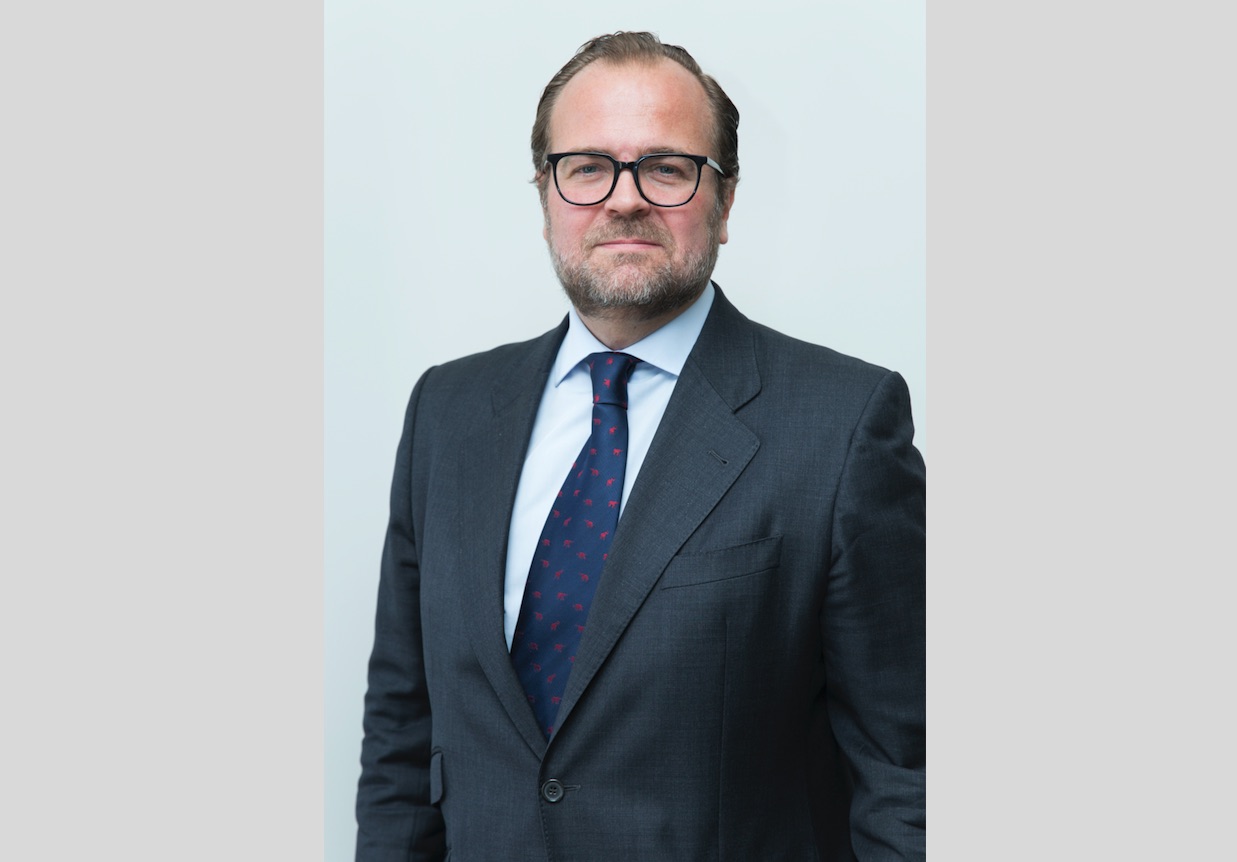
Altamar Capital Partners ha incorporado a su equipo de Análisis e Inversiones del área de Private Equity a Garlos Gazulla como Managing Director.
Trabajará con el equipo de inversión de Altamar que lideran José Luis Molina, co-CEO y co-CIO (Chief Investment Officer) y Miguel Zurita, co-CIO, y que aglutina ya a más de 60 profesionales repartidos en las cuatro oficinas que tiene Altamar en España, Estados Unidos y Chile.
El equipo de inversión especializado de Altamar tiene acceso a las mejores oportunidades de inversión global, a través de una combinación de inversión en los fondos de primario, operaciones de secundario e inversiones directas (co-inversiones).
Carlos Gazulla cuenta con una amplia experiencia en la industria del private equity. Hasta su entrada en Altamar era socio y miembro del Comité de Inversiones de Realza Capital, firma a la que se unió en 2008. Anteriormente fue director de inversiones de una firma local de capital riesgo especializada en inversiones en etapas iniciales, tras haber trabajado como asociado en la división de Private Equity de Lehman Brothers en Londres y en el área de Corporate Finance de Lehman Brothers en Londres, Madrid y Nueva York, donde estaba especializado en fusiones y adquisiciones.
Carlos Gazulla es licenciado en Derecho y Ciencias Empresariales por la Universidad Pontificia de Comillas (ICADE E-3).
“Carlos no solo cuenta con una experiencia muy sólida en la industria del private equity, sino que comparte la filosofía de inversión de Altamar y conoce y aprecia la cultura de la firma, por lo que estamos seguros de que se integrará rápidamente en la firma y en nuestro equipo de inversión, aportando un valor significativo desde el primer momento”, comenta José Luis Molina.