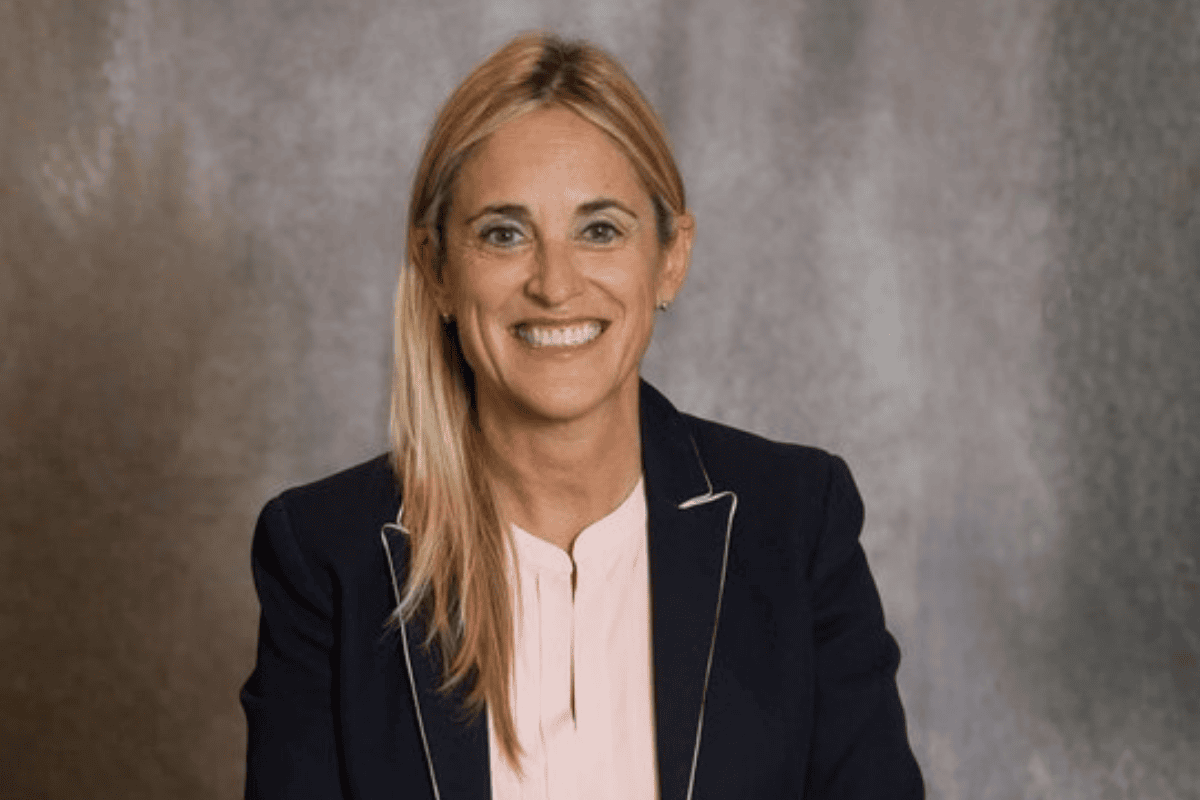
The transformation that Miami’s real estate market is undergoing is a clear example of what is happening across Florida, where two major trends converge: population movements and its appeal to investors. According to Pilar Lecha, a real estate broker with more than a decade of experience in the luxury market, the strong population growth in the state is reshaping cities, and Miami is the clearest expression of this broader shift.
“More than 1,350 people a day are moving to the state of Florida, and a third of them are arriving in Miami. Florida has become the second state in receiving Americans who decide to relocate. This is a trend we began to see after the COVID-19 pandemic, but it has persisted over time. In addition, this movement has been reinforced by the fact that numerous multinationals have also decided to move their headquarters to Miami, attracted by the city’s potential in terms of location, business strength, and economic level,” explains Lecha.
In this regard, Citadel — Ken Griffin’s hedge fund — Blackstone, and Inter&Co are among the latest examples of major financial firms that have set up in the city. As Lecha notes, “many of these firms have moved to Brickell, which has come to be known as the Wall Street of the South, due to its strategic location and the financial community that has developed there.”
Investment opportunities
As a result, Lecha explains that these trends have transformed the real estate market, increasing its value and making it more attractive as an investment. “When investors arrive in Miami, what they want to know is whether they are too late or still on time to invest in this market. In my view, there are still interesting opportunities, but above all, it is an investment with significant growth potential. One figure that illustrates this opportunity is that there are currently 153 buildings under construction. What we are seeing is that residential supply is growing, particularly in segments aimed at short-term rentals,” she notes.
A key factor supporting demand for real estate in Miami, according to Lecha, is that the market facilitates leverage, “which allows investors to enter with smaller tickets and ultimately make significant investments.” In her view, two other factors that make this market attractive are a more favorable tax framework for investors and an environment with a somewhat weaker dollar, “as both increase investors’ purchasing power.” Finally, she highlights that the strong presence of international investors means the local market is more sensitive to mortgage rates and global uncertainty.
Investor profile
But who is leading investment? According to MIAMI Realtors, in 2025 foreign buyers accounted for 15% of residential purchases in South Florida, seven times the national average (2%). In addition, nearly half of all international purchases in Florida are concentrated in Miami, Fort Lauderdale, and West Palm Beach; more than half of these transactions are made in cash, and most properties are acquired for investment or vacation use.
Latin America is the driving force behind this international flow: Colombia leads with 15% of total foreign buyers in Miami, followed by Argentina (11%), Mexico (7%), Brazil (7%), and Venezuela (5%). “Latin American investors have always shown interest in Miami, and real estate is a way to bring their capital. Beyond returns, this type of investor finds legal certainty here, and that holds great value. Brazilians and Colombians are currently the most active investors,” she explains.
Finally, Lecha adds that she has also observed growing interest from European investors, particularly Spaniards: “They tend to be entrepreneurs — both large and small — as well as family offices. They enter with smaller tickets and are also investing in smaller properties.”
A young city with a future
One aspect that Lecha emphasizes is that this transformation in real estate is occurring alongside the evolution of the city itself. “Miami has managed to break its seasonality. We cannot forget that, in addition to being a business and financial hub, it receives 17 million tourists a year, with its port being the busiest in the United States. To that reality driven by tourism, we now add all these large companies, business activity, and population inflows. This translates into a dynamic, young city full of events — such as the World Cup — that further place it on the global map,” she highlights.
The city’s character is relevant because, according to Lecha’s experience, its evolving features also influence investment trends. “The clearest example is the crypto asset ecosystem. Miami has positioned itself as a benchmark in this space, thanks to the firms that have established themselves here, and as a result we are seeing many real estate transactions carried out in crypto,” she says. She adds: “We see two profiles buying real estate with crypto. One is an older buyer, over 50, who holds crypto and, being more cautious, moves it into property. The other is a younger profile, more familiar with this asset, who either takes out loans in crypto or completes transactions in crypto to maintain their position in cryptocurrencies.”
Her conclusion, after years living in the city and working in the real estate market, is that all these “energies” coexist in Miami and give it a unique vitality.