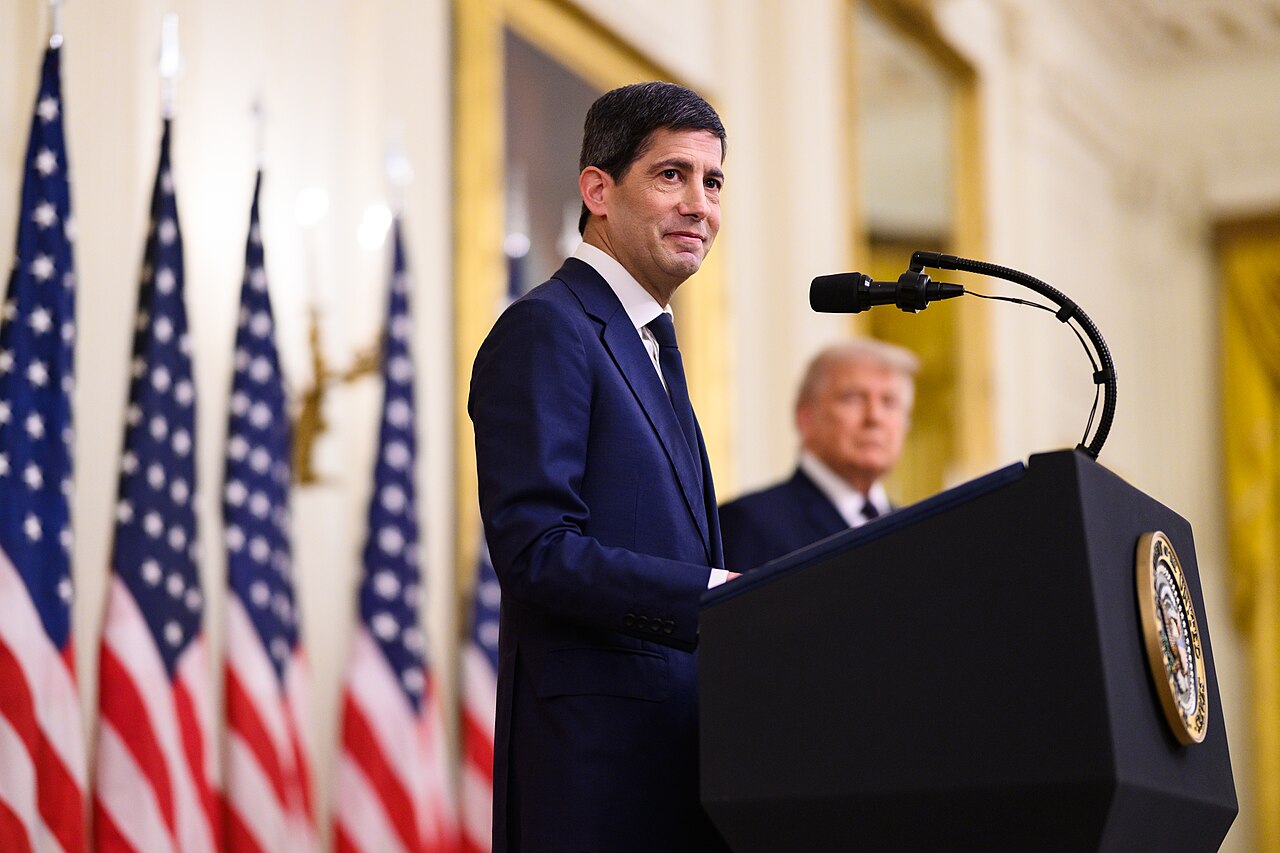
At a time when monetary policy and interest rates are front and center, all eyes have recently been turned toward the US Federal Reserve and its new chair: Kevin Warsh. Last week, during the central bankers’ symposium in Jackson Hole—held in the town of the same name in Wyoming—the official surprised global investors with a tone that was somewhat more hawkish than expected.
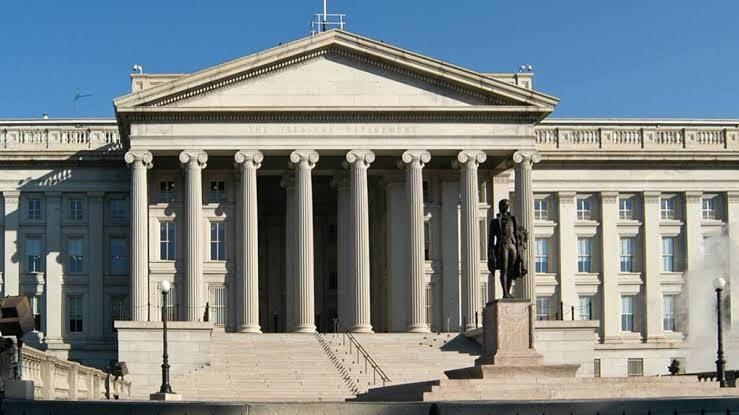
The event served as a platform for the economist to reaffirm his commitment to the fight against inflation. This left international markets with the impression that reference rate hikes could occur in the North American country this year. However, Warsh did not refer to the Treasury’s announcement regarding increased government bond buybacks.
“Warsh did not surprise much at Jackson Hole, maintaining a generally hawkish tone and a commitment to price stability without signaling an imminent rate hike or setting a policy threshold,” noted Alessia Berardi, Head of Global Macroeconomics at the Amundi Investment Institute. This message, she explained, represents a “major hurdle” for rate cuts and maintains a higher-for-longer bias, with further tightening still possible if inflation accelerates.
“The speech confirmed little appetite for alternative views on what matters most to the Fed and a limited preference for forward guidance. Short-term interest rates will remain the primary tool, with unconventional tools playing only a limited role,” the professional noted.
From EBC Financial Group, market analyst Felipe Mendoza agrees with the diagnosis. In his view, Warsh’s somewhat hawkish tone deviated from market expectations and emphasized the 2% target for inflation. “This stance could reaffirm that the Federal Reserve will prioritize the fight against inflation even if it means extending or tightening the monetary cycle, immediately raising the probability of a September rate hike to 50% in the futures market,” he stated.
Market Expectations
Broadly speaking, the Fed chair’s remarks do not stray from the norm. For Paul Donovan, Chief Economist at UBS Global Wealth Management, the content of the speech “was not particularly deep,” emphasizing consumer prices rising above 3%, without mentioning the impact of tariffs driven by Donald Trump’s White House on them. “In the absence of any inflation shock, the comments are consistent with stable US monetary policy,” he noted.
What stands out about this particular speech—Warsh’s first at Jackson Hole—is that it follows a Fed meeting that felt different, marking a style that is harder for investors to read.
On this occasion, wrote Seema Shah, Global Strategist at Principal Asset Management, “Warsh cleared up much of the ambiguity left by the July FOMC press conference, providing a clearer picture of a Federal Reserve that keeps its focus firmly on bringing inflation back to its target and is prepared to raise rates if progress stalls.”
While the expectation at Principal—and among other global market participants—is that upcoming inflation data will show improvement, the probability of a rate hike in September increased. “The positive market reaction highlights that investors value clarity in monetary policy, even when that clarity comes accompanied by a more restrictive message,” Shah said.
For Mendoza at EBC Financial Group, the market reaction is less conclusive. “The asset response to this speech reflects a hasty recalibration of expectations in an environment of high volatility. The initial strength of the dollar and the correction in the S&P 500 responded to short-term rate adjustments; however, market dynamics showed interesting decoupling nuances,” he commented. “Following the initial impact of the remarks, markets eased and even reversed their initial direction,” he added.
For the analyst, this “mixed reaction across different assets suggests that the market has not yet fully priced in the scenario.”
A New Style at the Fed
The Fed is always on the radar of international financial institutions, given the importance of US interest rates to the global economy. But in the Warsh era, investors are paying particularly close attention, searching for signals in an environment of lower visibility.
“From day one, Warsh has abandoned forward guidance. He wants financial markets to assess economic prospects rather than be guided by a Fed that telegraphs its moves; in this way, as he has argued, market pricing will provide useful information to the Fed itself,” explained Sonal Desai, CIO of Fixed Income at Franklin Templeton, in a recent market commentary.
Furthermore, for some, this presentation put the spotlight on the Fed’s credibility at a time when global capital is growing increasingly nervous about US debt.
“US risk assets have performed well for years, but bond investors are increasingly demanding compensation in the form of higher yields,” stressed Allianz GI in a commentary authored by Chief Economist Christian Schulz and Fixed Income CIO Jenny Zeng.
As the professionals explained, “bond investors have to absorb growing financing needs stemming from investment in artificial intelligence, high fiscal deficits, and debt refinancing.” This occurs, they added, in an environment where some of the primary sources of demand are weakening, as households are saving less, the Fed continues to shrink its balance sheet, and international investors are diversifying their reserves.