

Amid the geopolitical uncertainty and marked volatility that characterized the first half of 2026, financial advisors in Latin America and US Offshore made strategic decisions to rebalance their portfolios, according to findings from the latest Advisory Portfolio Barometer by Natixis Investment Managers. The report, which analyzes 53 moderate model portfolios, highlights that the strongest portfolios did not simply take on excessive risk, but rather managed and applied risk more effectively.
The most notable finding was the reaffirmation of the traditional investment core: traditional assets (equities and fixed income combined) remained the preferred option, representing 89% of the average portfolio. The report also revealed a reconfiguration of how advisors manage risk. Facing a scenario where conventional defensive formulas lost effectiveness, professionals chose to dynamically adjust their strategic weightings, seeking a balance between capturing growth and protecting capital through more agile vehicles.
Flexibility in Bonds and Greater Weight Assigned to Equities
To navigate an environment in which equities and bonds moved in the same direction, reducing the protection traditionally offered by fixed income, advisors turned decisively toward flexibility. Diversified and flexible strategies reached 60% of the average fixed-income allocation, and purely flexible fixed-income mandates alone represented 40% of this asset class. This flexibility gave managers the necessary leeway to actively adjust duration and credit risk.
Alongside this search for flexibility, the second major decision made by advisors was to increase equity exposure to 47% of the total portfolio, an increase of 4 percentage points compared to the first half of 2025. To fund this higher equity allocation and make room for real assets, professionals moderately reduced their position in traditional fixed income, which settled at 42% of the total portfolio.
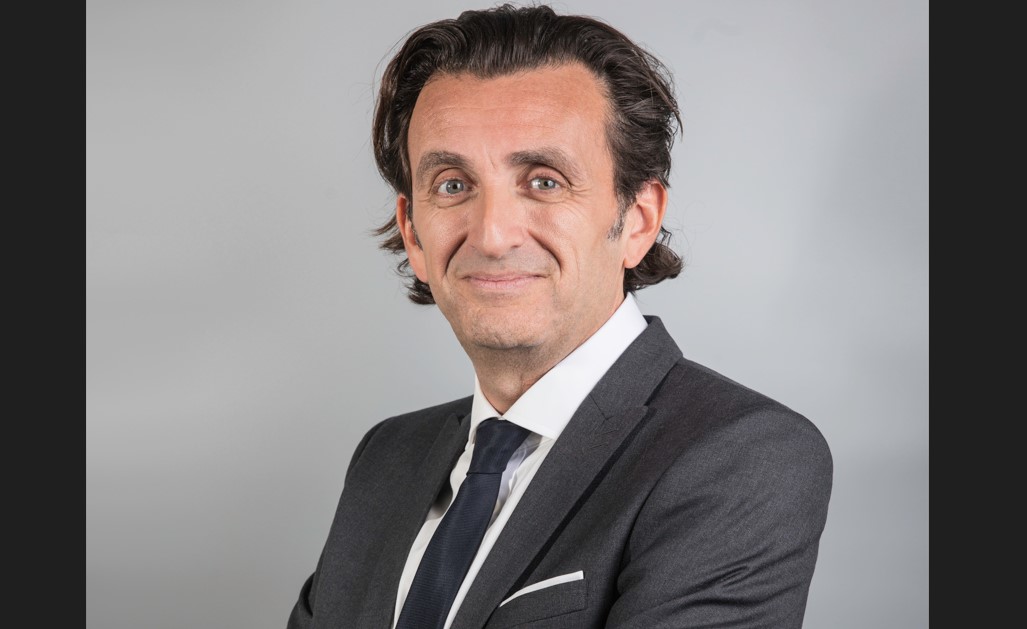
This is affirmed by Lucas Pérez, Country Head for the Southern Cone at Natixis Investment Managers: “This study confirms what we have been observing in the market: the advisors who navigated the first half of 2026 best were not those who took on the most risk, but those who managed it more intelligently. Flexible fixed income gave them maneuvering room amid rate shifts, and the increase in equities and real assets reflects a more accurate reading of the economic cycle. The challenge now is that, with the correlation between equities and bonds at historically high levels, diversification can no longer rely solely on traditional instruments, and that applies to our clients across the region as well.”
Concentration Management and Tactical Diversification
The Natixis IM barometer showed that portfolio execution and internal structure were the factors that drove performance differences among advisors. One of the most decisive tactical choices among top-quartile portfolios (the best performers, with a half-year return of 9%) was rigorous risk management through strict control of concentration risk. Leading portfolios capped the weight of their top three positions at 40% of total assets, in sharp contrast to bottom-quartile portfolios, which kept a high 53% of their capital exposed to just three instruments, leaving them more vulnerable to market volatility.
This drive for lower concentration was also reflected strategically within the equity component. While top-performing portfolios diversified their exposure across a median of seven positions and capped their largest single holding at 32% of the equity component, the lower-performing group concentrated a high 45% in a single position while holding an average of only four assets in total. This lack of diversification prevented lagging portfolios from participating evenly in the market recovery during the second quarter of the year.
The barometer also revealed a clear shift in credit approach. Top-performing advisors opted to reduce traditional global fixed income to 35.9% of their bond allocation (compared to 49% in the bottom quartile). Instead, they rotated that capital into more targeted niches that offered a better risk-adjusted return profile, tactically increasing their exposure to corporate debt, emerging market paper, and short-duration strategies.
Finally, the last high-impact decision distinguishing the most resilient portfolios was the incorporation of uncorrelated hedges. Nearly half of the top-quartile portfolios incorporated alternative and real assets (such as commodities and real estate), compared to less than a third of bottom-quartile portfolios doing so. This tactical inclusion allowed leading advisors to generate a 23% diversification benefit (versus 15% for lagging portfolios), successfully offsetting the historically positive correlation between equities and bonds that affected the industry during the first half of the year.


 By Funds Society, Madrid