Historically, access to high-net-worth and ultra-high-net-worth clients (HNWIs/UHNWIs) in the US Offshore segment was monopolized by traditional private banking. Global institutions such as UBS, J.P. Morgan, Citi Private Bank, and Santander Private Banking controlled both custody and distribution through closed or guided architectures.
However, the ecosystem has shifted radically due to three primary drivers:
Proliferation of Independent Advisors (RIAs and Multi-Family Offices): Private banking professionals have migrated en masse toward independent firms in Miami or intermediary platforms (independent broker-dealers), demanding open architecture and products free from parent-company bias.
Demand for Private Markets and Liquid Alpha: Clients are no longer satisfied with traditional stock and bond portfolios; they are actively demanding private credit, real estate, infrastructure, and thematic strategies.
Fee Pressure: Investors seek to eliminate the double layers of fees associated with traditional private banks, preferring direct relationships or guidance from fee-only advisors.
In light of this landscape, asset managers have chosen not to rely solely on distribution through traditional private banks. In recent months, the deployment of senior sales teams and direct distribution agreements in hubs like Miami has intensified to service US Offshore platforms directly.
This evolution has heightened competition among asset managers, who no longer limit their offerings to traditional funds. The updated product suite incorporates UCITS vehicles, ETFs, private credit, private markets, global fixed income strategies, and solutions tailored specifically for high-net-worth investors with offshore structures.
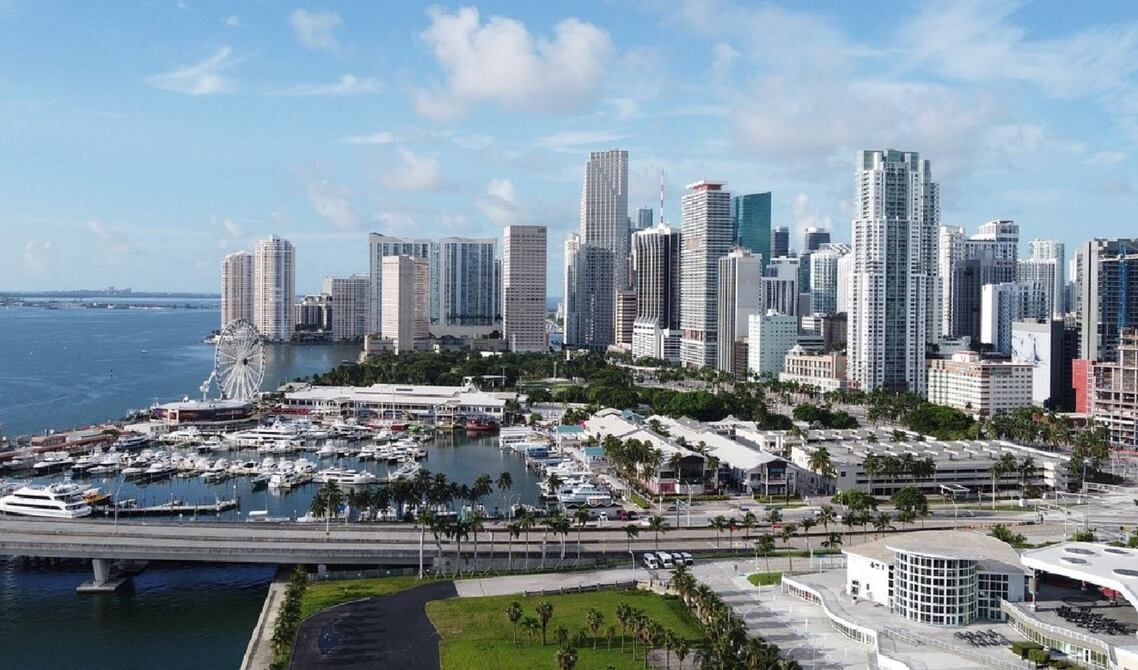
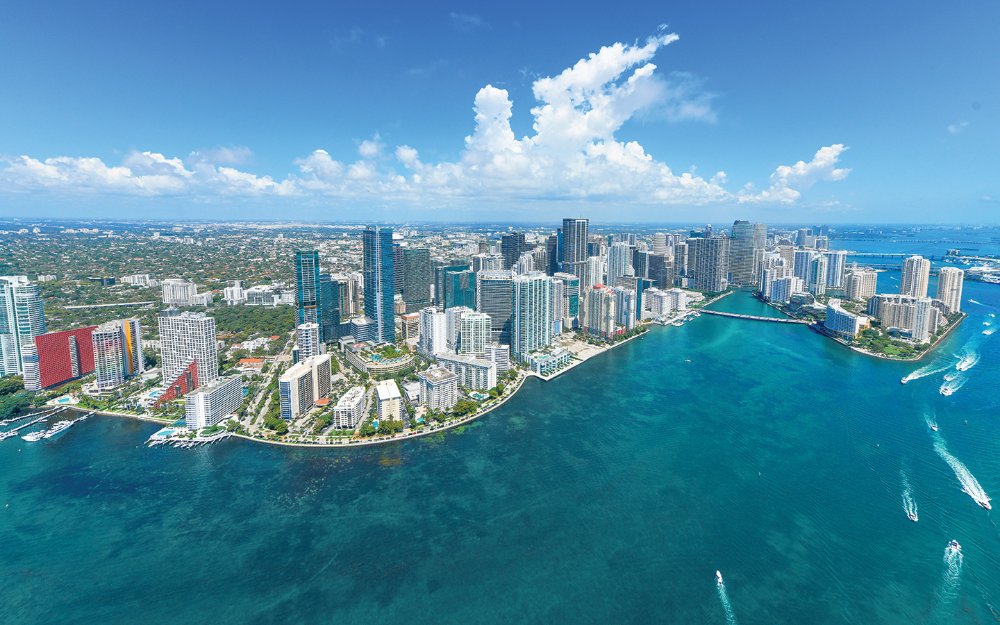
Within this new paradigm, Miami consolidates its standing as the primary decision-making hub for Latin American wealth and the focal point where major international firms wage an escalating battle to capture the region’s assets.
Implications for Traditional Private Banking
This surge of asset managers poses a direct threat to the margins of the traditional private banking model. While institutions like UBS or Citi attempt to retain assets through their integrated custody and wealth management platforms, they face an increasingly sophisticated client base that is unbundling its services: custody remains with low-cost platforms or independent US custodians (such as Pershing, Charles Schwab, or Fidelity), while investment strategy design is delegated to specialized managers.
For the high-net-worth Latin American client, the result is a significantly broader and more competitive investment offering. Global asset managers compete head-to-head in markets like Miami to design tailored solutions for a capital base that shows no signs of returning to its home markets in the near term.
The ultimate consequence is a fundamental redefinition of the competitive model in the US Offshore business. The contest is no longer fought solely among private banks for asset custody, but between banks and global asset managers for control of the client relationship.