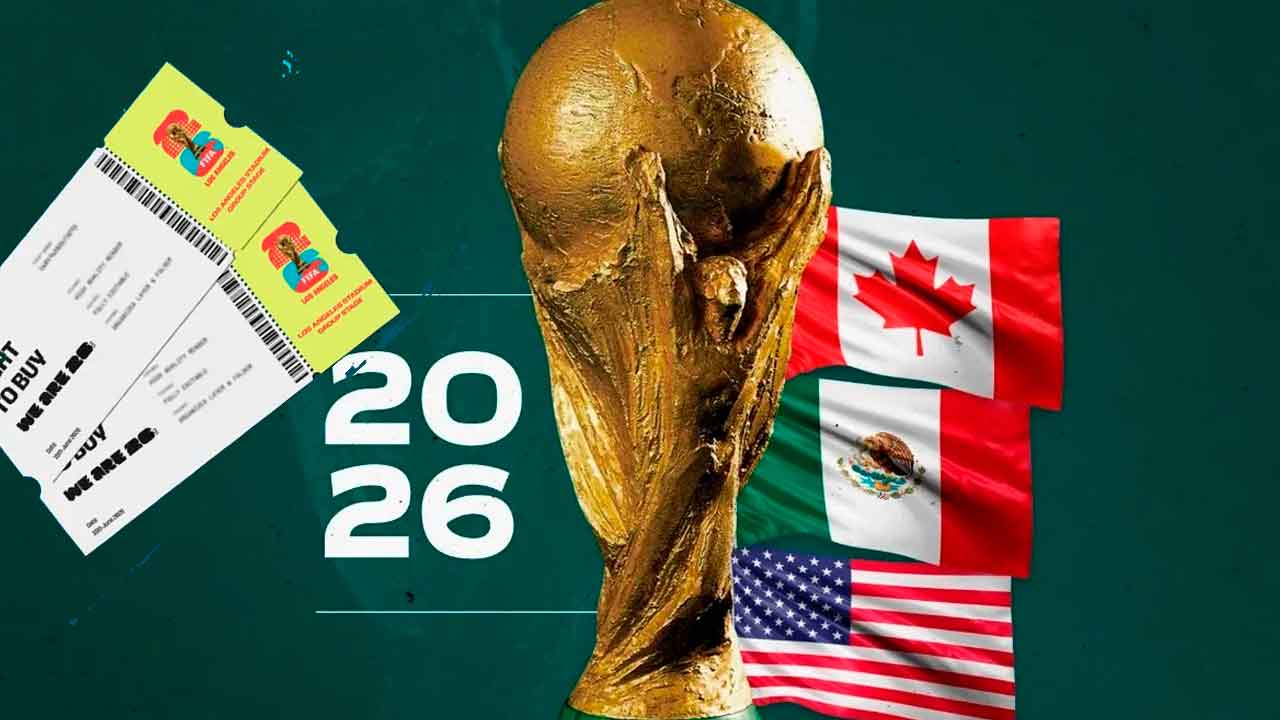
The 2026 FIFA World Cup will not only mark a historic milestone with its expansion to 48 teams and its joint hosting by three nations—the United States, Mexico and Canada. It could also become the sporting event that cements the convergence of the digital financial industry and the entertainment economy, driving the mass adoption of electronic payments, digital wallets, tokenization and new forms of retail investing.
The tournament, which FIFA itself expects to be the most profitable in its history, is projected to generate approximately $13 billion in revenue for the governing body and more than $40 billion in global economic impact, according to estimates compiled by various international analysts.
Beyond tourism and traditional consumer spending, however, the 2026 World Cup arrives at a time when the digital financial ecosystem is far more mature than it was during Qatar 2022. The widespread adoption of digital wallets, instant payment systems and investment platforms has significantly expanded the opportunities to monetize the relationship between fans and sports organizations.
From the traditional fan to the digital financial consumer
Today’s fan no longer simply buys tickets or official merchandise. They participate in loyalty programs, acquire digital assets, interact through mobile applications and use financial tools that barely existed a decade ago.
The digitalization of the fan experience creates an opportunity for fintech companies, payment processors, investment platforms and wealth managers to bring financial services to millions of people who have historically had limited engagement with the formal financial system.
This trend is particularly relevant in Latin America, where, according to the World Bank, financial inclusion gaps remain significant, even as smartphone penetration and digital payments continue to grow at rates well above those of traditional banking services.
Fan tokens evolve into a new sports economy
One of the fastest-growing segments is fan tokens—blockchain-based digital assets that allow supporters to participate in polls, earn rewards and access exclusive experiences.
According to DataIntelo, a global market research and consulting firm, the global fan token market reached a value of $3.8 billion in 2025 and could grow to $18.6 billion by 2034, representing a compound annual growth rate of approximately 19.3%. More than 170 sports organizations have already launched fan token initiatives, while the ecosystem now includes around 28 million active wallets.
Academic research also suggests these instruments are generating meaningful levels of engagement. A study conducted by European researchers found that fan token polls attract an average of roughly 4,000 participants and engage nearly half of all token holders.
The experience of the 2022 FIFA World Cup in Qatar also demonstrated the close relationship between sporting events and the financial performance of these assets. Researchers found that fan token returns generally increased ahead of the tournament, while match results triggered significant fluctuations in both prices and trading volumes.
The World Cup as a catalyst for digital payments
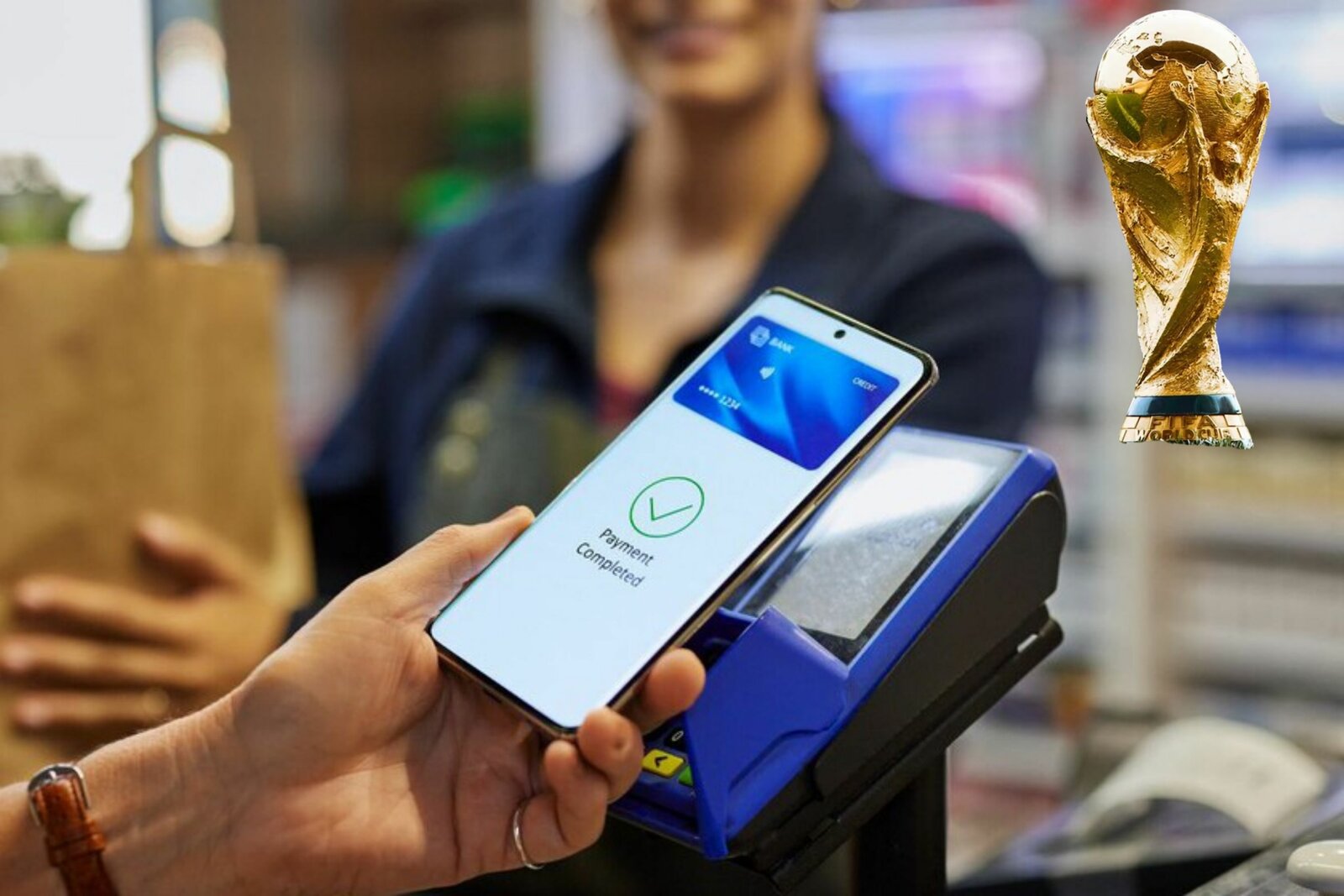
The 2026 edition will also serve as a stress test for digital payment infrastructure. Millions of international visitors will make cross-border transactions, hotel reservations, online purchases and mobile payments, reinforcing the importance of digital wallets and fintech platforms.
The scale of the event is expected to benefit companies operating payment networks, remittance services, foreign exchange providers, digital banks and mobility applications—industries that have become indirect beneficiaries of the expanding sports economy.
At the same time, the rise in digital transactions brings greater fraud risks. Specialists at Check Point Research have already warned of an increase in fake websites, fraudulent applications and scams involving cryptocurrencies and counterfeit World Cup tickets, highlighting the growing need for stronger financial education and cybersecurity.
Wealth management and retail investing: a new frontier
For the wealth management industry and retail investment platforms, the World Cup represents an opportunity to introduce concepts such as diversification, thematic investing and the digital economy to a new generation of users.
Sport is increasingly becoming an economic asset in its own right. The convergence of blockchain technology, digital payments and community participation is creating new models in which fans evolve from passive consumers into active participants in financial ecosystems connected to their favorite teams and brands.
In that sense, the 2026 World Cup may be remembered not only as the tournament with the largest number of participating teams and the biggest global audience, but also as the event that accelerated the transformation of the traditional sports fan into a new kind of participant: the digital financial consumer.