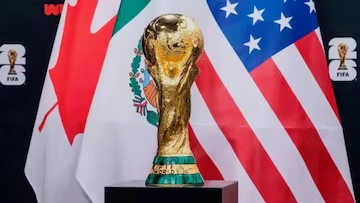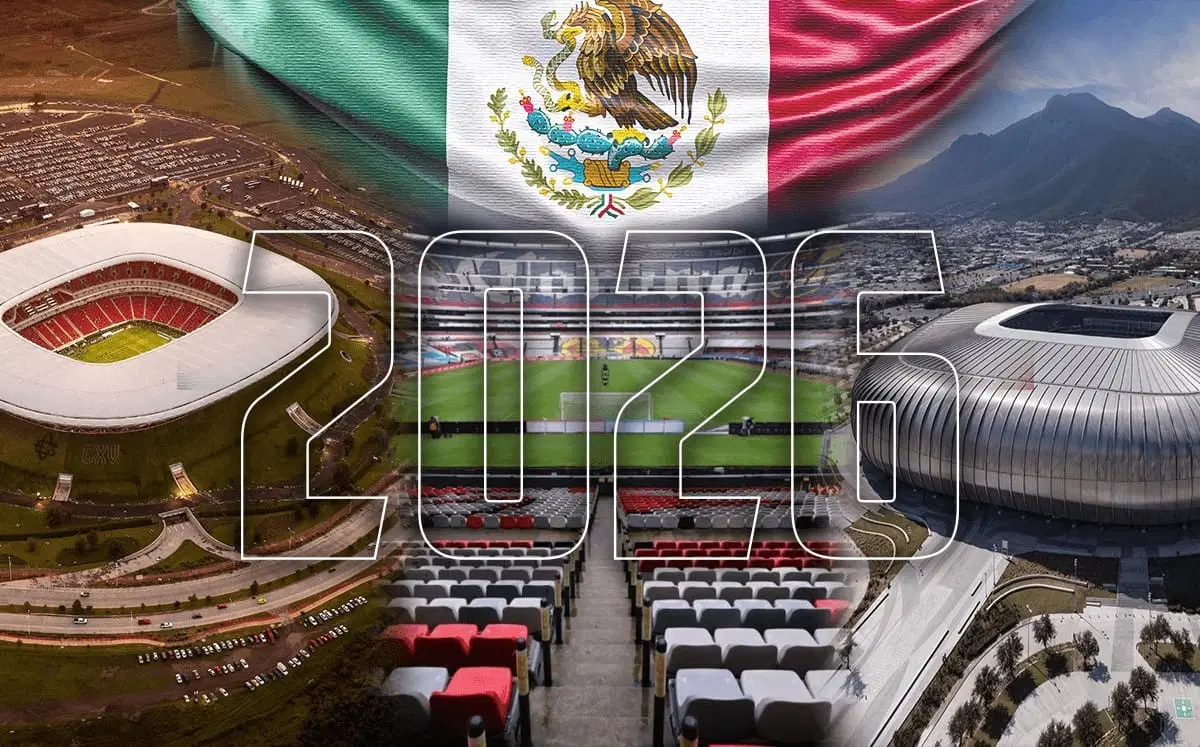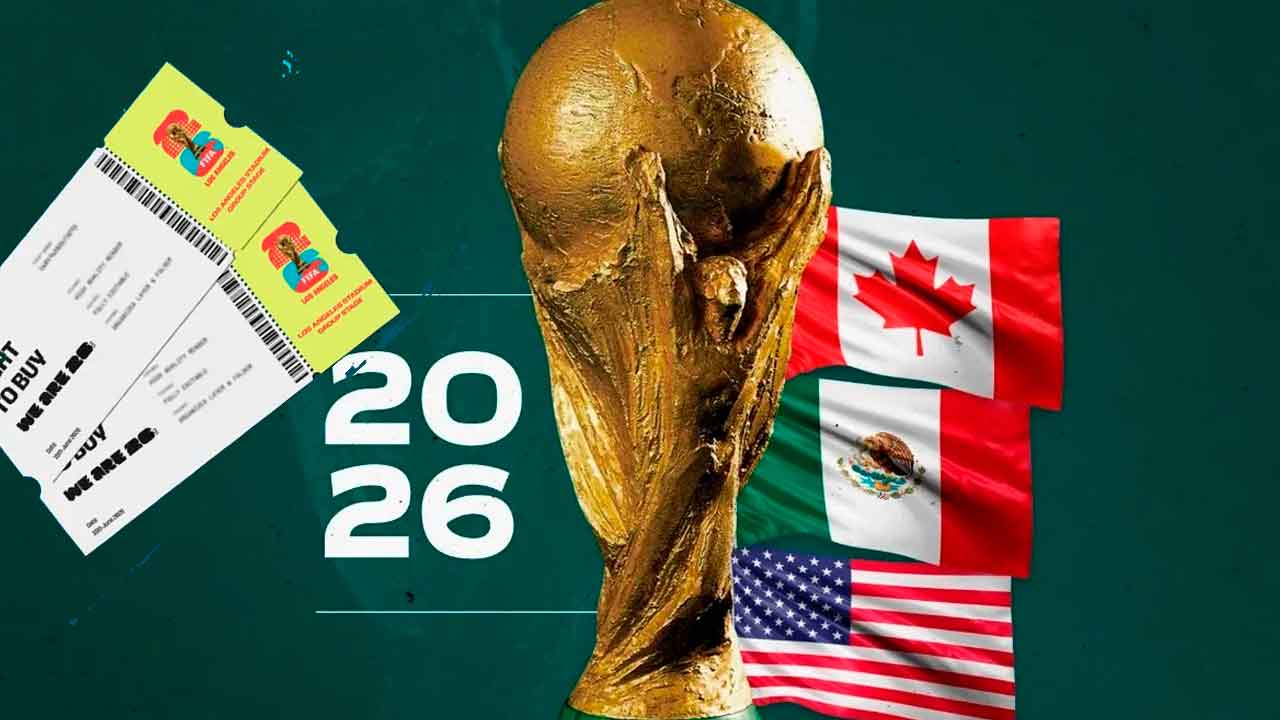
The 2026 FIFA World Cup will not only be the largest edition in the history of soccer. It could also become one of the biggest sports monetization events ever recorded.
With 48 participating national teams, 104 matches, and a tournament jointly hosted by Mexico, the United States, and Canada, the competition represents an unprecedented expansion of the global soccer product. But behind the sporting spectacle lies a story equally relevant for investors, technology platforms, betting operators, and media companies: the creation of an ecosystem with larger audiences, more data, and more monetization opportunities.
FIFA estimates revenue of $8.911 billion during 2026, a record figure driven primarily by broadcasting rights, hospitality, ticket sales, and commercial agreements. Television rights alone are expected to generate approximately $3.925 billion, equivalent to 44% of projected revenue, while hospitality and ticket sales will account for another 34%.
The economic scale far exceeds the approximately $7.5 billion generated by Qatar 2022 and reflects how soccer has evolved into a global platform for entertainment and digital consumption.
More Matches, More Betting
The expansion of the tournament implies a substantial increase in business opportunities for the sports betting industry.
The 104 matches represent an increase of more than 60% compared with the 64 matches played under the traditional format. Each game generates hundreds of potential betting markets, ranging from final outcomes to specific statistics and live betting opportunities.
The trend coincides with the strong global growth of online betting and increasing technological sophistication driven by artificial intelligence, data analytics, and content personalization.
However, the biggest transformation may be taking place outside traditional sportsbooks.
From Betting to Prediction Markets
Platforms such as Polymarket and Kalshi are driving a new category: prediction markets.
Although conceptually similar to sports betting, they operate under a framework that more closely resembles financial markets. Users buy and sell contracts tied to the probability of specific outcomes, with prices fluctuating in real time based on available information and collective expectations.
The line between financial speculation and sports entertainment is beginning to blur.
During 2026, aggregate trading volumes across leading prediction markets have reached record levels, surpassing $24 billion per month during certain periods. At the same time, Kalshi and Polymarket have significantly expanded their market share within the sector, benefiting from growing acceptance among retail investors and participants from the crypto ecosystem.
The World Cup appears poised to become the industry’s next major catalyst.
Streaming and Digital Monetization
Another major financial battleground is content distribution. Audience fragmentation and the rise of mobile consumption have transformed the traditional sports broadcasting model. The 2026 World Cup is expected to be the most digital tournament in history.
The combination of traditional television, streaming platforms, social media, and personalized content will create multiple revenue streams beyond conventional advertising.
Monetization through subscriptions, targeted advertising, e-commerce, and digital experiences is likely to play an increasingly important role in the economics of sports.
An Industry Increasingly Resembling Wall Street
The evolution of the sports ecosystem points toward growing convergence among entertainment, technology, and finance.
Real-time information, artificial intelligence, tokenization, probability-trading platforms, and increasing participation from institutional investors suggest that the sports business is moving toward models that increasingly resemble financial markets.
In that context, the 2026 World Cup could be remembered not only as the largest tournament in sporting terms, but also as a turning point in how global attention is monetized.
More matches mean larger audiences; larger audiences generate more data; and more data creates new business opportunities. The World Cup is no longer just a soccer tournament. It is increasingly becoming a massive global financial asset.