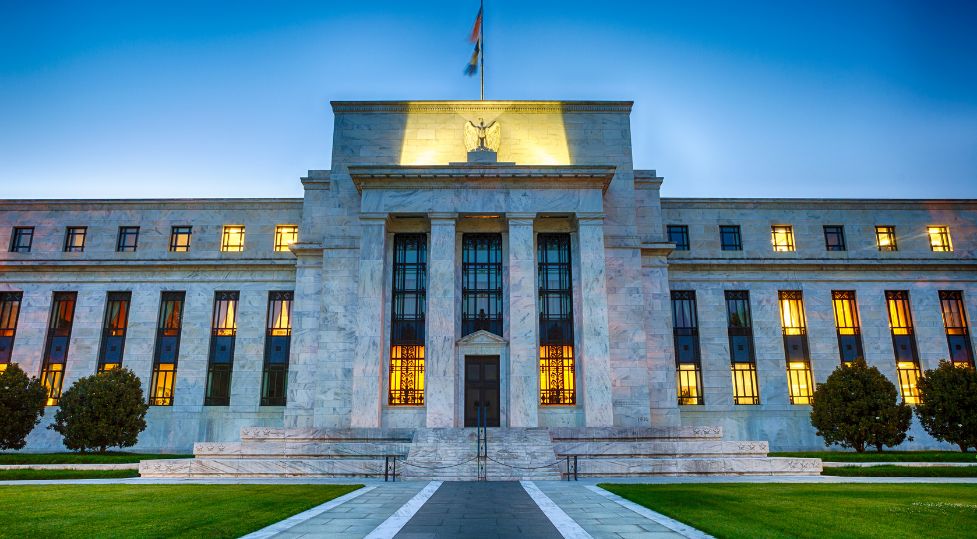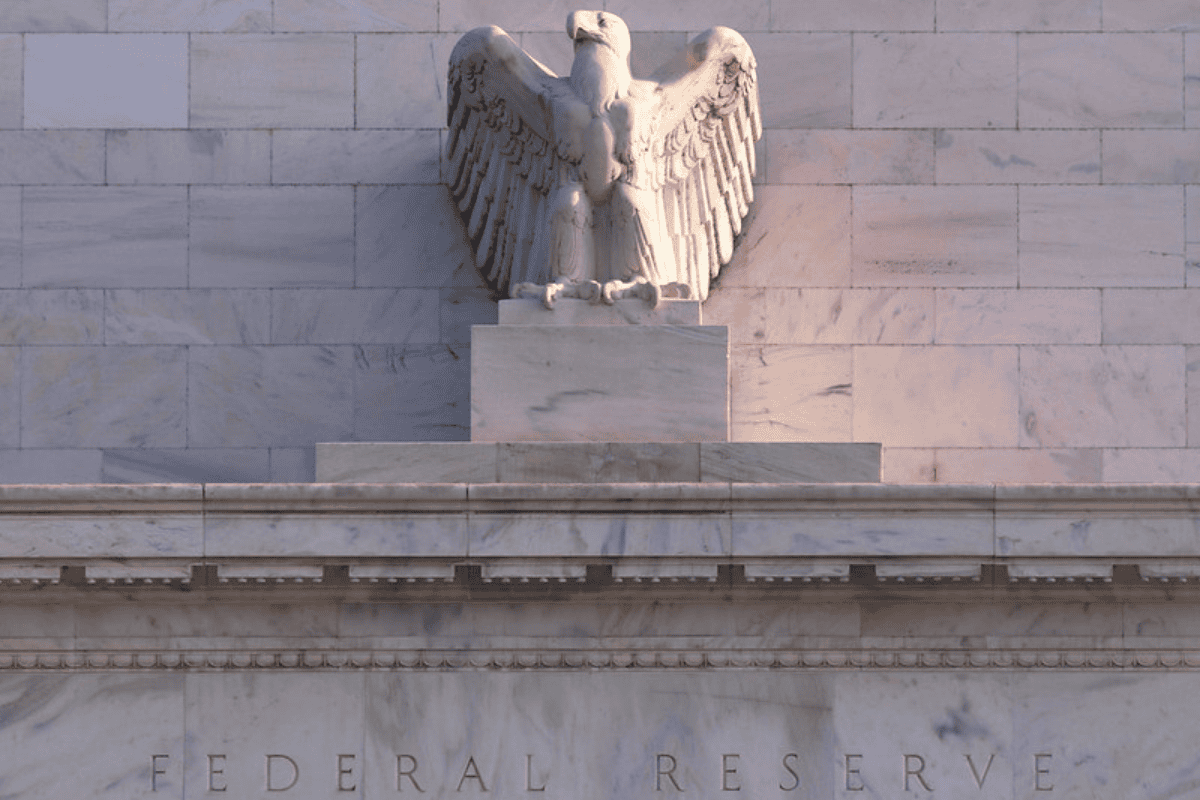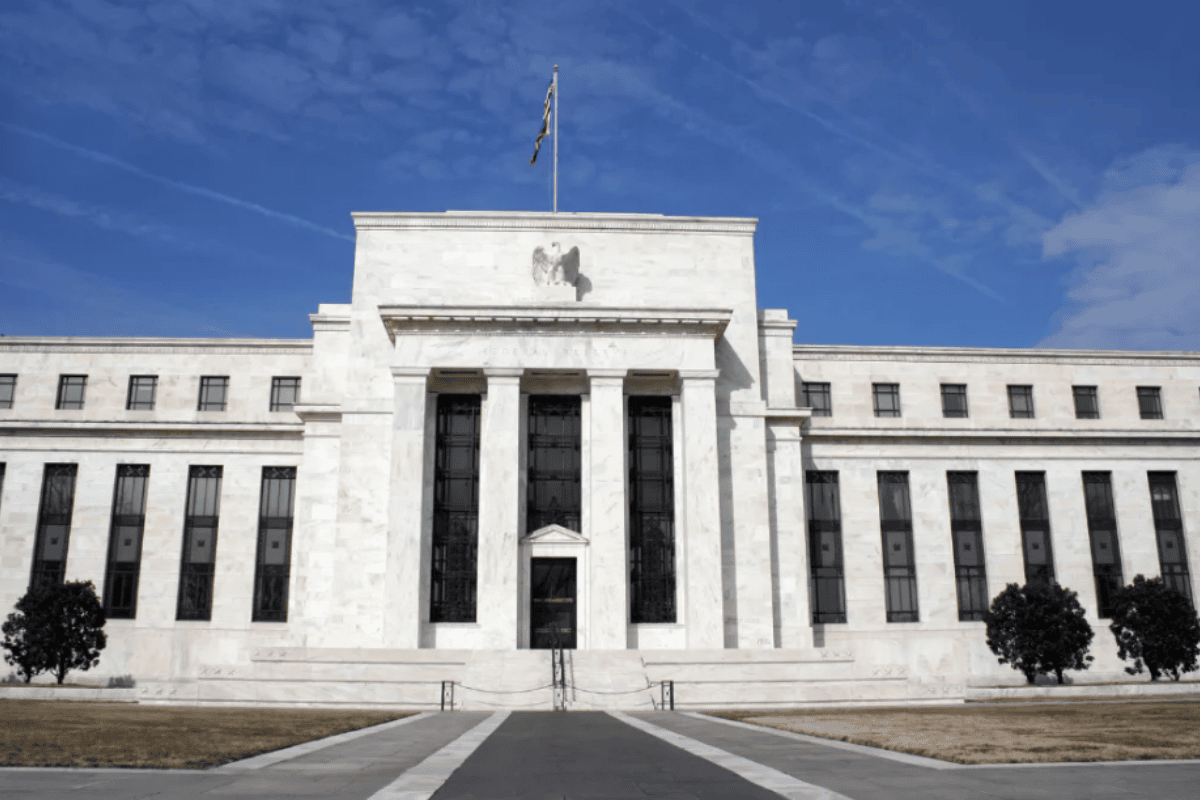
After hearing Kevin Warsh before the Senate, during his confirmation hearing to chair the U.S. Federal Reserve (Fed), experts believe that not all the cards have been put on the table. In his speech, Warsh proposed a “regime change” at the institution, suggesting more than four FOMC meetings, collaborating with the Treasury to reduce the balance sheet, and using AI tools to review inflation models he considers imperfect.
Without a doubt, markets expected Kevin Warsh’s confirmation hearing to offer clues about the Fed’s next steps and, to some extent, it did. His key message was to assure that he would not be a “puppet” of President Trump and that the monetary institution must act without political pressure. He even denied having agreed on interest rate cuts with Trump, arguing that monetary policy decisions must be based on the economy and not politics.
“Let me be clear: the Federal Reserve must make independent decisions. I will not accept instructions from any elected official. My duty, if confirmed, will be to Congress and to the American people. I am also aware of concerns about potential conflicts of interest. I commit to fully complying with all ethical requirements and to divesting from the necessary assets to ensure the integrity of the office,” he assured.
In addition, he was critical of the institution: “In recent years, the Fed has faced extraordinary challenges. However, we must also recognize that there have been errors — in the assessment of inflation, in the communication of monetary policy, and in the management of its balance sheet — that must be addressed frankly.”
Regarding his plans, Warsh explained that his goal will be to restore clarity, discipline, and credibility in monetary policy. “This implies a firm commitment to price stability, a review of the Fed’s strategic framework, and a prudent and predictable reduction of the balance sheet.” And he concluded: “This is an important moment for U.S. economic policy. With the right approach, we can achieve a more stable, more dynamic, and more prosperous economy.”
Independence and balance sheet
For experts at Banca March, however, Kevin Warsh’s appearance unfolded as expected. “Democrats focused their interventions on questioning the candidate’s independence — highlighting the moment when Elizabeth Warren called him a ‘sock puppet’ — while the Republican bloc largely offered its support. Even Republican Thom Tillis expressed his backing, although conditional on the closure of investigations into the current Federal Reserve governor,” they note as the most striking aspect of his appearance.
That said, the main debate for experts is whether this “new phase” will be synonymous with independence. In the view of Laura Torres, chief investment officer at IMB Capital Quant, the market is now operating in a back-and-forth of statements that leaves little definition, high volatility, and uncertainty. “The diplomatic stalemate and the belligerent stance of the Trump administration have created a scenario where complacency is no longer an option. The Fed’s narrative also enters a phase of high volatility with the possible appointment of Warsh, who seems willing to break with the institution’s traditional independence to align it with the fiscal and tariff objectives of President Trump,” Torres criticizes.
From UBS Global Wealth Management, they believe that the Fed remains on track to further reduce interest rates, as cooling inflation and moderating growth should allow the U.S. central bank to act toward the end of this year.
“We maintain the view that the Fed should cut rates by another 50 basis points toward the end of this year. Greater easing should support equities and high-quality bonds in the medium term,” says Mark Haefele, chief investment officer (CIO) at UBS Global Wealth Management.
Regarding the balance sheet situation, Tiffany Wilding warns of the moral hazard arising from the progressive increase in the Fed’s balance sheet as a result of regulatory liquidity requirements in the U.S. financial system: “The growing holdings of Treasury bonds by the Fed needed to satisfy that demand may distort price formation in the market — including Treasury repo funding markets — and reduce liquidity in the public debt market,” Wilding explains.
The other key points
From Oxford Economics, they consider that Warsh will be a more dovish voice within the Federal Open Market Committee, will advocate for an aggressive reduction in the size of the Fed’s balance sheet, and will seek to introduce significant changes in the institution’s communication strategy. However, they recall that the Fed chair cannot make these changes unilaterally, so they expect that Warsh’s need to build consensus will limit the scope of changes in policy or in how the Fed communicates.
“Warsh stated on several occasions that a ‘regime change’ is needed at the Fed. He favors modifying the institution’s current communication strategy and opposes the use of forward guidance as a policy tool, as well as the publication of economic forecasts, which he considers an obstacle to flexibility because members of the Federal Open Market Committee ‘cling to those forecasts longer than they should.’ He also suggested that he might favor reducing the number of FOMC meetings to fewer than eight per year, which is the current schedule; the law requires the committee to meet four times per year. He also did not commit, if confirmed, to holding press conferences after every FOMC meeting, which has been the norm since 2019,” they explain.
Finally, the firm notes that Warsh’s selection “remains in limbo.” According to their forecast, it is expected that the Senate, controlled by the Republican Party, will confirm Warsh if his nomination is approved by the Senate Banking Committee. “However, we expect his candidacy to remain stalled in committee for some time. Senator Thom Tillis of North Carolina made it clear at Tuesday’s hearing that he will not support Warsh’s nomination until the Trump administration’s case against Powell is withdrawn. However, in an interview prior to the hearing, President Trump gave no indication that he would pressure the Department of Justice to drop the case. Given the narrow margin in the committee, the nomination cannot advance without Tillis’s support. This increases the likelihood that Powell will continue as chair beyond May 15, when his term officially ends,” they add.
From J. Safra Sarasin Sustainable AM, they acknowledge that, paradoxically, a delay in his confirmation could work in Warsh’s favor. “With inflation moving in the wrong direction, it is unlikely that the FOMC will cut rates in the short term. A prolonged process would leave Powell bearing the cost of inaction, thus preventing Warsh from having to confront Donald Trump prematurely at the start of his term as chair,” they conclude.