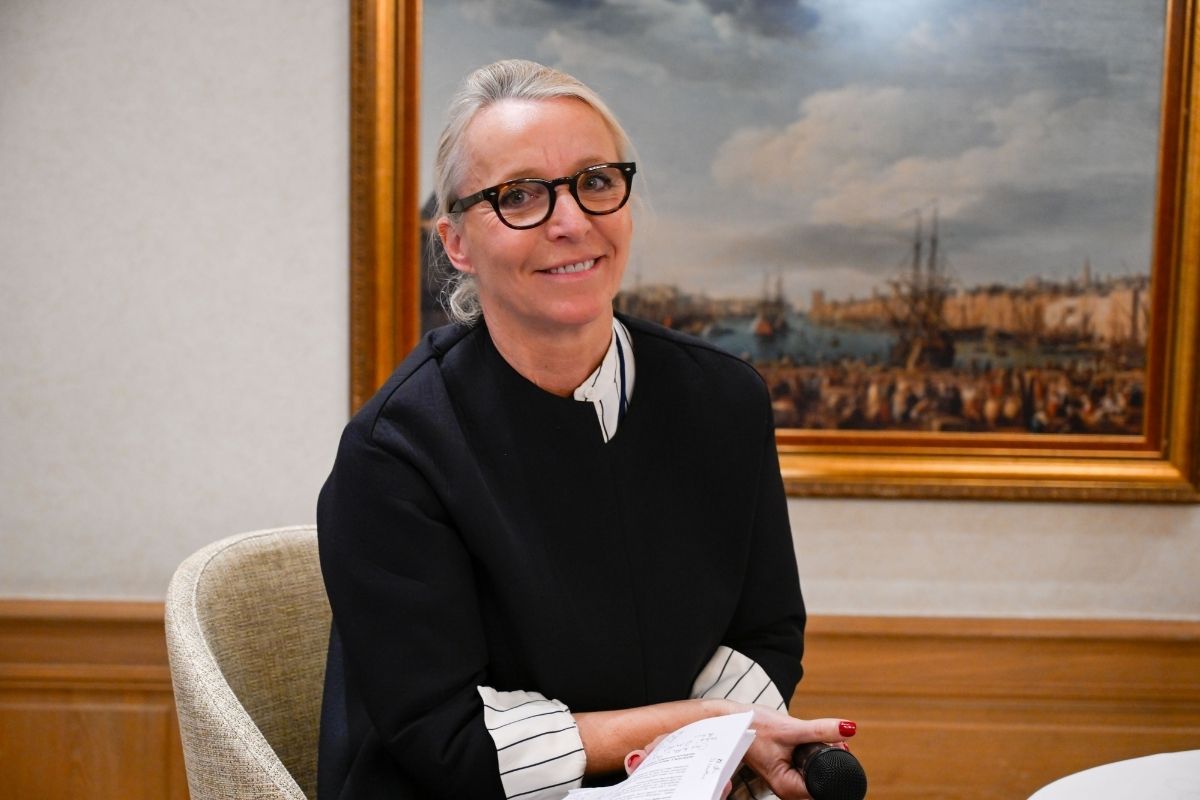
Natixis Investment Managers Landed in Spain 15 Years Ago. The timing could not have been more challenging, with the eurozone immersed in a severe sovereign debt crisis, but in the long run the strategy has paid off. Sophie del Campo, Head of Distribution for Southern Europe, Latin America, and US Offshore, has been part of the project from day one and describes herself as “super proud,” particularly because the office closed 2025 with record assets.
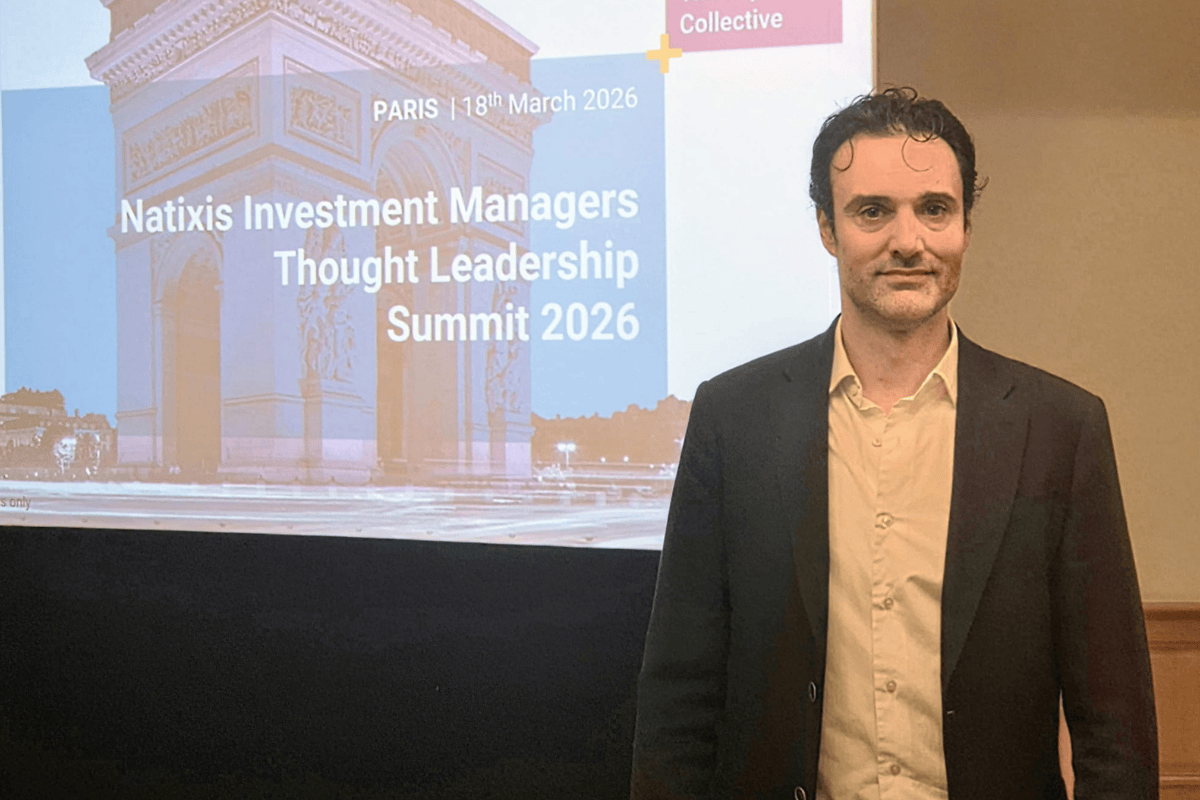
During an interview conducted at the Natixis Investment Managers Thought Leadership Summit 2026, recently held in Paris, Del Campo highlights the spectacular growth of Natixis IM in the Iberia region during this time, which she attributes “to the quality of the products we offer and the diversification they provide.” Last year, she also celebrated ten years since the opening of the first of the group’s three offices in the Americas: Mexico, Colombia (from where Peru is also covered), and Uruguay (which also supports Chile).
Today, the company maintains its strong commitment to active management and is doubling down on its multiboutique model, which Del Campo describes as “a spectacular differentiating factor,” and is fully engaged in its strategic plan for the coming years, which includes boosting its private markets business with the launch of new products soon. “We are in a quite sweet phase of exponential growth,” the expert summarizes.
What is your assessment of these 15 years?
The timing has been spectacular because it is true that when you open an office, from the moment people get to know you until you establish yourself, it takes time. And the time we needed to develop the business coincided with a somewhat more challenging market environment, but our strategy has been the same one we follow in all markets: a multi-manager, capabilities-based model, starting with a few ideas and a limited number of products. Today, we distribute in Spain products from 13 of our 16 asset managers; the three we do not distribute are purely American managers whose funds do not have a UCITS version.
Our strategy is super clear: we do not run product campaigns; we work with each client to identify what is simplest for their portfolios. This allows us to achieve diversification alongside the product offering. We think long term, about how to combine our active management with more basic strategies using high-quality, value-added products.
In addition to the product itself, we consider the service we provide alongside it to be even more important, particularly portfolio construction through our Natixis Investment Manager Solutions team and our Durable Portfolio Construction service, through which we have analyzed more than 2,000 client portfolios. This has allowed us to show clients how they could build portfolios that include competitors’ products while adding our own, helping us demonstrate to private bankers and fund-of-funds managers the value of incorporating new ideas.
How has product demand changed over these 15 years?
In recent years—and not only in Spain—we have observed strong demand for alternatives to purely passive exposure. This has allowed us to offer products from managers within our affiliated model such as DNCA or Harris Associates, which build portfolios in a very different way from passive managers.
Why do you strongly support active management?
We have always said that passive management is important, but active management is extremely important for diversification. Active management is also active risk management. And this is precisely what has driven our exponential growth in both equities and fixed income: after what happened in 2022, when there was high correlation between equities and fixed income, many clients asked us for fixed income positioning that goes beyond plain-vanilla indexed funds. We are fortunate to have an انتہائی diversified product range, solid in terms of return and risk, with products such as DNCA Alpha Bonds, a flexible fixed income strategy that provides significant diversification in portfolios.
Will you promote funds that offer access to private assets this year?
Our focus on private assets positions us as a highly relevant partner for institutions looking to begin distributing private asset products within their networks, because we have experience through our own network in France and are willing to share it with our clients. In addition, our group also provides seeding to ensure a significant asset base. We are an extremely conservative firm in this regard; we understand that this is a much more sophisticated and complex asset to sell, and that we must support our clients throughout this journey.
You are also responsible for the business in LatAm and US Offshore. How has it evolved?
We are quite proud of the development we are achieving in LatAm and Offshore. We have been the same team for ten years; we have built this together and achieved extremely interesting things in the region. For example, in Mexico we launched, together with Santander, a US equities product that is now the largest domestic fund in its category in Mexico, with more than $450 million.
What interests me about the Latin American market is that each country has a different framework in terms of regulation and product distribution. What we have done is determine, in each country, the strategy we wanted to follow, taking into account the market context to decide whether to focus on institutional clients or distribution clients. In Mexico, for example, we initially focused purely on institutional clients. But we realized, by speaking with our clients, that there was demand for higher-quality local products. That is why we decided to develop, together with Santander, a high-quality US equity product for its private banking arm, which is a very important component of private banking portfolios in Latin America.
In Colombia, our target is more evenly split among institutional clients, pension funds, private banking clients, and local asset managers. In Peru, we divide our focus between purely institutional clients and more market-oriented clients, including local institutions and family offices. In both markets, we see strong interest in diversifying with international assets.
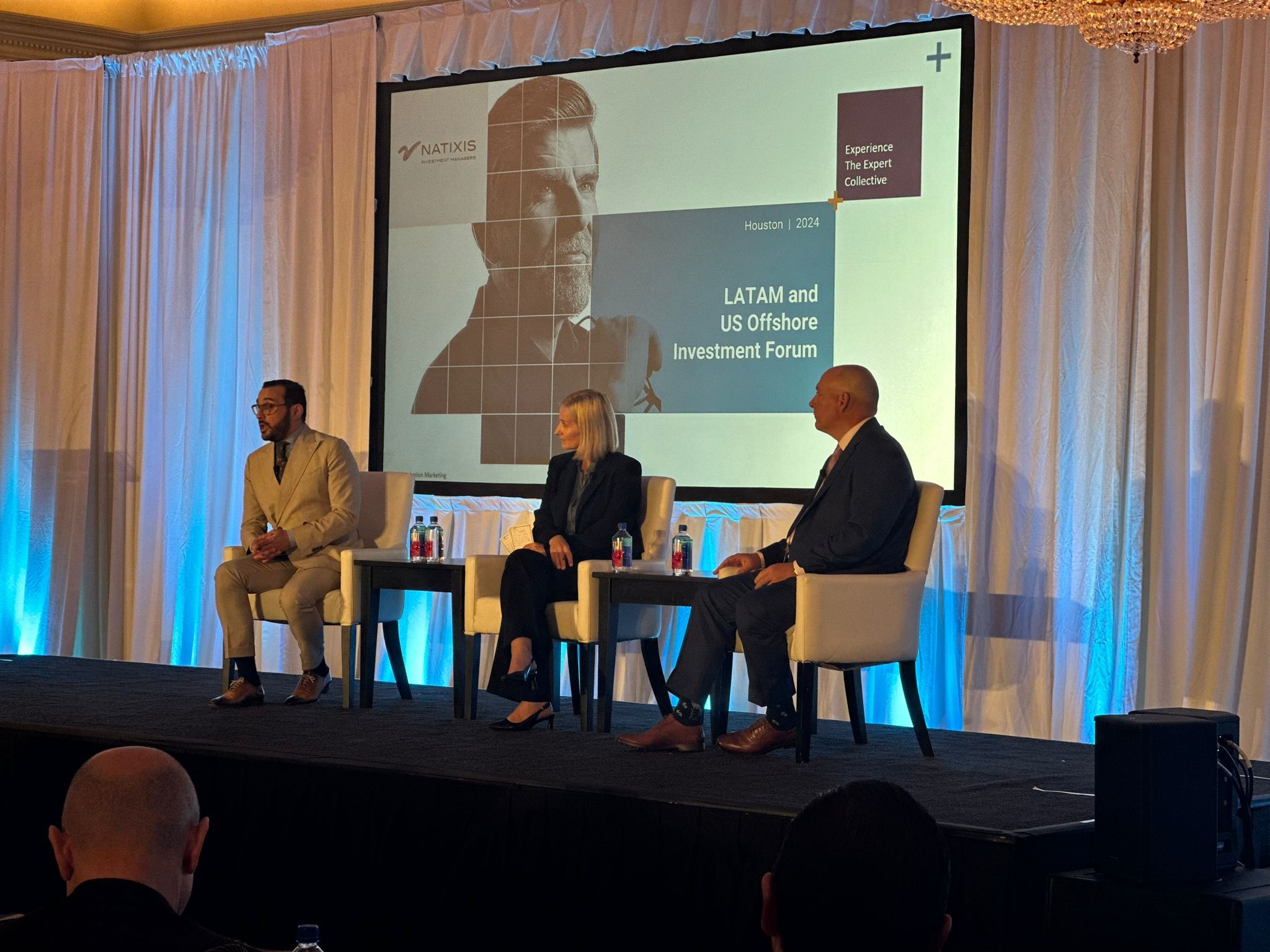
Uruguay remains a hub for offshore private banking in Latin America, alongside the United States—Miami, Houston, etc.—and there are major private banks and key players we work with in both Uruguay and the U.S., and the results have also been very positive.
As a result, we have long been present in all major American private banks. In terms of results, I believe we are in the top two compared to other international asset managers, and in some American firms and distributors we were number one last year.
Where does Natixis IM stand now in the region?
We are currently in a very strong acceleration phase. Natixis IM is a somewhat different player in the region. Although we are a French group, we cannot be placed within the group of European asset managers due to our structure and the fact that 50% of what we manage globally is managed from the U.S. This makes us a very strong partner. As a result, we can bring U.S. expertise by offering products from U.S.-based managers such as Loomis Sayles or Harris Associates, while also providing our European expertise and products that are quite different from what our clients in the region previously had, such as the flexible fixed income fund from DNCA, where we are gaining significant market share.
For us, the Iberia–LatAm connection is just as important as the LatAm–US Offshore connection, because it allows us to achieve a strong alignment of interests with clients. We have an organization very similar to that of large Spanish banks with a presence in Latin America, which enables us to provide local support. We also work with major independent advisors.