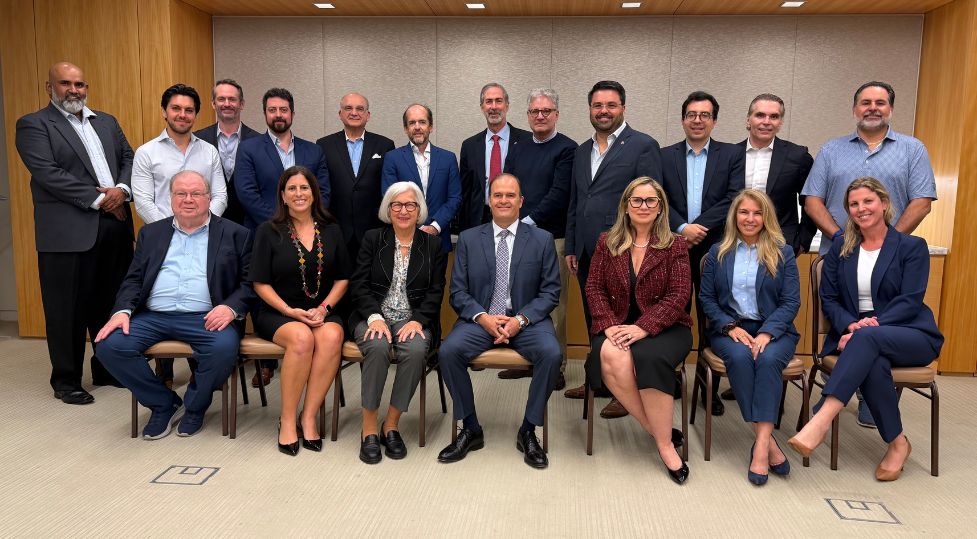
Between March 23 and 26, the 26th FIBA AML Compliance Conference will take place at the InterContinental Hotel in Miami. The gathering of professionals will focus on the theme “The New Reality of Anti-Money Laundering Compliance: AI, Digital Assets and the Race to Stay at the Forefront.”
“The landscape of anti-money laundering (AML) and regulatory compliance is transforming at a pace that few could have anticipated just a decade ago. What was once a discipline based primarily on regulatory interpretation and procedural oversight has become a sophisticated, technology-driven function that demands agility, strategic vision, and continuous learning,” FIBA said in a statement.
The conference brings together bankers, financial technology leaders, digital asset companies, regulators, and compliance professionals to engage in substantive discussions on regulatory developments, innovation, and best practices.
Artificial intelligence is at the center of this transformation. Financial institutions are increasingly integrating AI into transaction monitoring systems, investigative workflows, and suspicious activity reporting. These tools offer measurable efficiencies, stronger pattern recognition, and enhanced analytical capabilities. However, they are not without limitations. Their effectiveness depends on rigorous governance, strict oversight, and a clear understanding of their strengths and vulnerabilities.
At the same time, financial crime actors are taking advantage of the same technology. Artificial intelligence is being used to generate synthetic identities and evade onboarding and customer due diligence controls, particularly in the verification of account holders and beneficial owners. As a result, compliance teams are facing more sophisticated threats than ever. Technical literacy and technological knowledge have become essential components of effective anti-money laundering programs.
The rapid expansion of digital assets adds another layer of complexity. Digital asset companies are increasingly seeking banking licenses, further blurring the boundaries between traditional banking institutions and emerging financial models. This convergence introduces new competitors, evolving supervisory frameworks, and new risk considerations. Regulatory discussions surrounding cryptocurrencies and blockchain-based assets continue to develop across the Americas, with varying levels of maturity and consistency.
In this environment, FIBA notes that the role of the compliance officer has evolved radically: “Today’s professionals must go beyond merely interpreting regulations. They are expected to understand innovation, assess technological risk, and collaborate across business and technology functions. Advanced analytics, AI-based monitoring systems, and exposure to digital assets require a broader and more dynamic skill set than ever before.”
In response to the changing compliance landscape, FIBA has expanded its educational offerings beyond its AML certifications and advanced compliance programs, including specialized training in fintech compliance and digital asset compliance, ensuring that professionals are equipped to meet modern regulatory and operational demands.
As David Schwartz, President and CEO of FIBA, notes: “The compliance profession is no longer defined solely by knowing the rules. It requires understanding innovation, anticipating emerging risks, and committing to continuous education. In today’s environment, preparedness is not optional—it is strategic.”
FIBA serves as a bridge between the United States and Latin America, fostering cross-border financial collaboration and regulatory understanding. Today, FIBA represents 110 member institutions, including banks, fintech companies, and professional service providers, and has certified more than 10,800 professionals across the region.