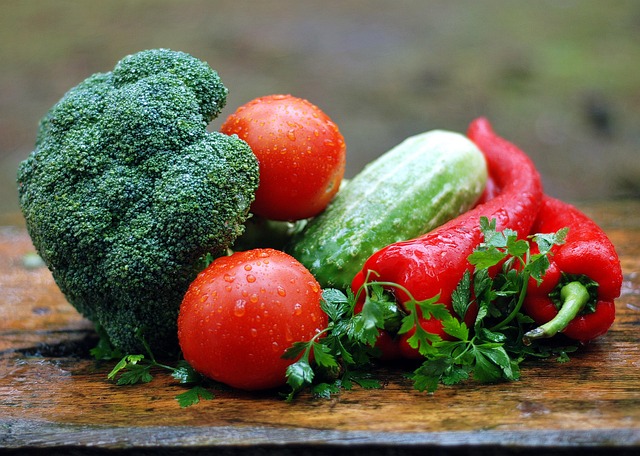
U.S. government measures aimed at changing the country’s eating patterns provide a significant boost to companies that form part of the supply chains of so-called “real food” and those engaged in product reformulation. The new guidelines emphasize protein, dairy products and quality fats, tighten the nutritional criteria to be applied in schools and change the conditions for the use of food assistance benefits.¹
This measure marks a major shift in the direction of nutrition policy. By prioritizing “real food” in its new dietary guidelines, the government makes clear its intention to redirect the national diet toward alternatives to ultra-processed foods, favoring unprocessed or minimally processed, nutrient-dense foods.
This policy shift has far-reaching implications for investors, as in practice the government is seeking to steer both consumer behavior and the billions of dollars allocated to institutional food purchasing.
In our view, as institutions and consumers adapt to these new nutritional criteria, companies that already have capabilities in “real food” supply chains and product reformulation technologies could benefit disproportionately from the new regulation.
A Radical Shift from the Nutrition Policy of Recent Decades
To fully understand the scale of this change, it is necessary to go back to the original food pyramid published by the U.S. Department of Agriculture in 1992.
Those guidelines prioritized refined carbohydrates over nutrient-rich proteins and healthy fats. They were based on a daily intake of between six and eleven servings from the grain group, such as bread, rice and pasta. Fats and oils were relegated to very moderate consumption.
The 2025–2030 U.S. guidelines mark an almost complete reversal of this trend. In the new “inverted pyramid” framework, foods from the grain group have been moved to the bottom, while quality proteins, whole dairy products and healthy fats take center stage in a balanced diet.
This shift falls within a broader mandate from Health Secretary Robert F. Kennedy Jr. for Americans to “eat real food.”² Among the most significant aspects of the new policy are the following:
- The new guidelines recommend a daily intake of between 1.2 and 1.6 grams of protein per kilogram of body weight.
- The government has declared “war on added sugar,” replacing the vague recommendation of “10% of total daily calories” with a strict limit of no more than 10 grams of added sugar per meal. In addition, it states that added sugar is not part of a healthy diet for children under four years old.
- The new guidelines endorse fat sources from unprocessed or minimally processed foods, such as whole dairy products, eggs and red meat, as essential components of a nutrient-rich diet.
The Scope of the New Guidelines
Although consumption trends often take years to change, the impact of the new guidelines will be felt immediately due to nutrition policy. The guidelines are not mere recommendations: they constitute a mandatory framework that determines how billions of dollars in public food spending must be allocated.
Before ultimately influencing broader U.S. market standards, the most significant ramifications of the new guidelines are likely to be seen directly in two key areas:
- School nutrition: the guidelines determine the menus of around 30 million students. Currently, ultra-processed foods account for nearly two thirds of caloric intake among those under 18. We anticipate a revision of federal school meal standards that prioritizes quality protein and whole dairy products and sets strict limits on added sugars.
- Public assistance: the Supplemental Nutrition Assistance Program currently serves 42 million low-income Americans, 78% of whom also receive healthcare coverage through Medicaid. The government therefore has a clear financial incentive to change the conditions governing the use of food assistance benefits to prevent them from being spent on unhealthy products associated with obesity and other health problems.
The United States accounts for nearly 30% of global food spending, so this policy shift could have a significant impact on investment opportunities in the global food sector.
This does not mean that the new guidelines reflect global scientific consensus on healthy eating. In fact, the inclusion of certain elements, such as the recommendation to consume red meat and animal fats, mostly saturated, is highly controversial. Nevertheless, we believe they could accelerate the transition toward healthier, more nutrient-rich diets that is already underway.
Structural Beneficiaries of the Shift Toward “Real Food”
In our view, the new guidelines enhance investment opportunities in five specific areas:
- Quality protein. We believe that the notable increase in recommended protein intake will benefit high-quality aquaculture and dairy producers, which also aligns with growing health and wellness awareness and the increasing penetration of GLP-1 weight-loss drugs. In our view, leading farmed salmon producers are well positioned, as the new guidelines explicitly endorse the consumption of omega-3-rich fish.
- Fresh produce. The new pyramid prioritizes fruit and vegetables, which could favor market-leading producers in this segment.
- Herbs and spices. The new guidelines encourage Americans to reduce sodium and added sugar consumption, meaning herbs and spices could become valuable allies in adding flavor to “real food.” Spice and seasoning companies may benefit.
- Fermented foods and gut health. For the first time, U.S. federal guidelines explicitly endorse the consumption of fermented foods such as kefir, sauerkraut and miso. We believe leaders in the yogurt sector and in specialized starter cultures and enzymes are well positioned to benefit from this focus on microbiome health.
- Reformulation. Food manufacturers face the difficult task of removing added sugars from existing products. To address the technical challenge of complying with the new, stricter limits while maintaining taste, many manufacturers are partnering with specialized ingredient suppliers and food reformulation companies.
A New Direction for U.S. Food Policy
The new guidelines from the U.S. Department of Agriculture signal a new direction for the U.S. food market. Given their potential to reshape the allocation of food spending in the country, these changes are not insignificant for the global food sector, nor for those who invest in it.
By prioritizing minimally processed foods and tightening nutritional criteria in a market currently dominated by ultra-processed products, we believe the new guidelines could strongly favor leading providers of products and services that enable healthier diets.