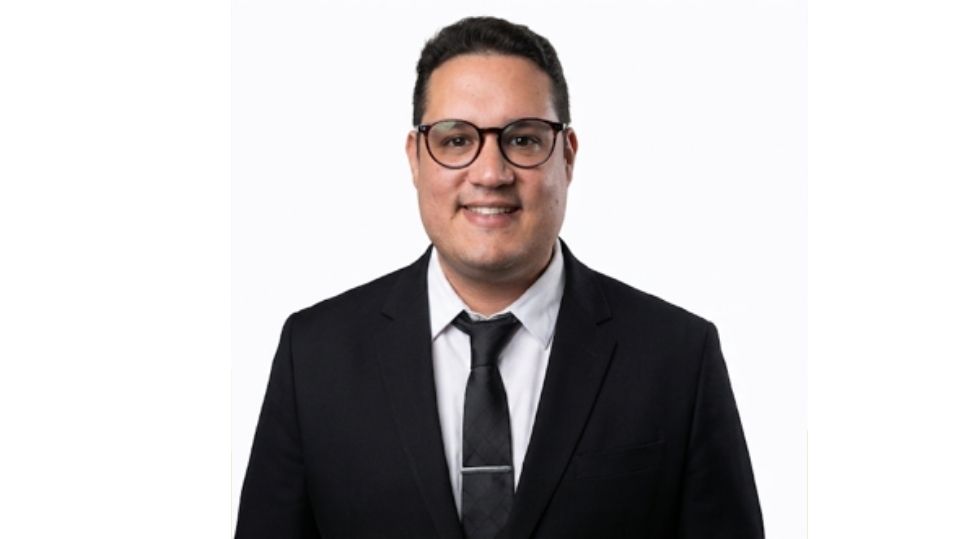
Napoleón Lazardi, founder and CEO of Pitagora Capital & Consulting, knows firsthand what it means to leave Venezuela and rebuild from scratch abroad. Born in the land of arepas and having lived outside the country for over a decade, his personal journey, which took him through Europe and Latin America before establishing himself in the world of financial analysis and technology, shapes his view on how an extreme political shock might affect markets and, especially, Venezuelan capital currently held offshore.
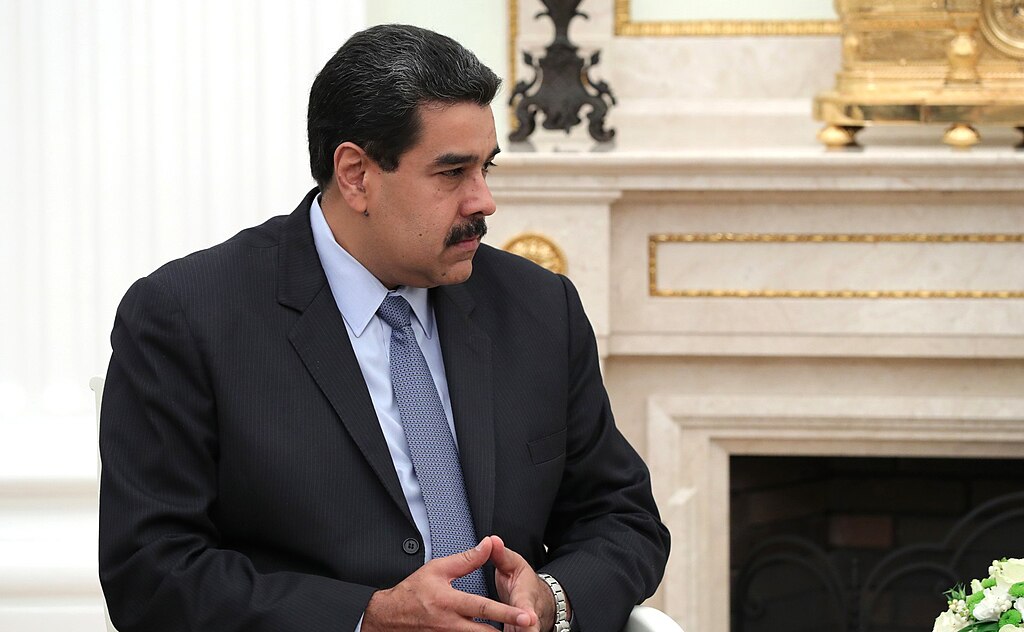
For Lazardi, the recent arrest of Nicolás Maduro should be seen less as an immediate turning point and more as an exogenous risk shock. “The market doesn’t change the final value of the bond; what changes is the probability of default and its distribution over time,” he explains, referring to the sovereign bonds of his home country. In a context where Venezuelan bonds trade outside formal markets, with low volume and blurred pricing references, such events trigger abrupt reactions, curve distortions, and short-term panic.
From a technical perspective, the Pitagora Capital CEO underscores that Venezuela’s market is currently unprepared to absorb such shocks without amplifying volatility. “There’s a collapse in the pricing system and a redistribution of risk toward the short term. That doesn’t mean value disappears, it just shifts over time,” he notes, drawing on probabilistic models he developed through his experience in emerging markets like Argentina, where he once lived.
Still, the focus extends beyond bonds. One of the major unknowns is what might happen to the Venezuelan capital that left the country in recent years. With a diaspora estimated at nearly eight million people, Lazardi is blunt: a massive repatriation of capital is not an immediate scenario.
“Venezuelan capital doesn’t return quickly or automatically. Much of those assets are already structured offshore, primarily in the United States, and follow wealth preservation logics, not short-term opportunism,” he states.
Even in the event of a profound political shift or greater international involvement, the analyst warns that several often-overlooked factors remain: legal timelines, litigation processes, lack of infrastructure, and the real capacity for reinvestment. By his estimates, Venezuela would need around $180 billion and deep structural reforms to rebuild its productive base, particularly in the energy sector, which has seen nearly two decades without sustained investment.
“Production doesn’t recover overnight. The market knows this, which is why it prices in risk even under more open scenarios,” he explains. In that sense, U.S. presence or backing alone does not guarantee a swift normalization of investment flows.
Paradoxically, Lazardi acknowledges that Venezuela is currently a country full of potential opportunities. Energy, tourism, transport, and financial services stand out as attractive sectors in the long term. But the starting point is extremely low. “The technological infrastructure is destroyed. The foundation needed to support a modern development process simply doesn’t exist today,” he warns.
For Venezuelan capital abroad, from family savings to more sophisticated portfolios, the message is clear: the return will depend less on a one-off political event and more on the institutional, legal, and technological reconstruction of the country. “The market isn’t pricing in certainties; it’s pricing in probabilities,” Lazardi concludes. And for now, those probabilities remain steeped in uncertainty.