

The advance August inflation figure delivered a negative surprise. Headline CPI came in as expected (+0.4% month-over-month) and remained flat year-over-year at +3.4%. However, core inflation breached the +0.2% mark to reach +0.3%, despite a modest slowdown in year-over-year growth (dropping from 2.5% to 2.4%).
This uptick—driven primarily by mobile phone and communication services, airfares, and lodging—could leak into the August core PCE readings due on the 30th, likely triggering a year-over-year increase of ~+0.3% (up from 0.2% in July).
The postponement of the expected summit between Iran and the Gulf nations—now pushed to Sunday to formulate an alternative transit route through the Strait of Hormuz—alongside new comments from Trump (“Iran is desperate to make a deal quickly”) convey urgency ahead of the upcoming November midterms and shift leverage to Tehran. Consequently, Brent crude rose to $109 per barrel, raising the odds of a prolonged monetary tightening cycle (markets are now pricing in nearly four Fed rate hikes between now and the summer of 2027).
Although the overall trajectory of inflation continues to move closer to the 2% target (as reflected by the average of trimmed-mean, supercore, and sticky inflation metrics), progress has not been as fast as the Federal Reserve’s FOMC would prefer. Adding to these concerns are the price and growth impacts of massive AI investments and strong nominal economic activity, with Atlanta Fed real final sales (which measure total output value adjusted for inflation excluding inventory shifts) holding at three-year highs.
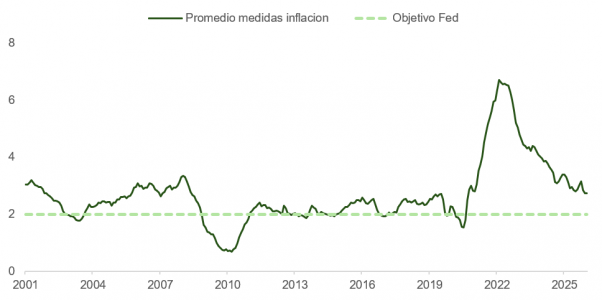
Given this setup, the probability of a 25-basis-point hike (bringing rates to 4%) jumped toward ~90% over the weekend. This presented Kevin Warsh with an opportunity to build market credibility through an insurance hike—one unlikely to derail an economy expanding at nominal growth rates above 7%. Standing pat, by contrast, would have seemed contradictory following his hawkish tone at Jackson Hole.
Warsh entered the decision balancing two forces: accommodating a vocal president or delivering what the bond market was demanding to secure its confidence. While Trump holds immense executive authority, the bond market exerts its own formidable influence on policy.
Warsh opted to raise rates by 25 basis points in a unanimous decision—the first increase since 2023—aiming to guide inflation back toward the 2% target over a reasonable horizon. Statements and the updated dot plot (one additional hike in 2026 priced in for December, a pause through 2027, and cuts starting in 2028) frame this as a mini-cycle of preemptive hikes. The Fed’s upward revision to the terminal rate is supported both by AI-driven productivity gains—a view Warsh strongly champions—and by the continuation of pro-cyclical, expansionary fiscal policies dating back to Trump’s first administration.
Fixed Income Positioning and Key Drivers
Within fixed income, if current inflation forecasts hold, positive surprises are more likely moving forward. With the market having largely priced in the Fed’s stance, a neutral duration posture appears prudent. Close attention should be paid to labor market indicators that could shift the Fed’s path if momentum accelerates, including wage gains among job switchers, shifts in marginally attached workers, hiring demand within AI infrastructure, and jobless claims trends.
The Bank of Japan’s dovish 25-basis-point increase—taking its policy rate to a 30-year high—is another focal point. Higher Japanese yields and increased yen volatility could impact the carry trade, which historically provided funding flows into U.S. fixed income markets.
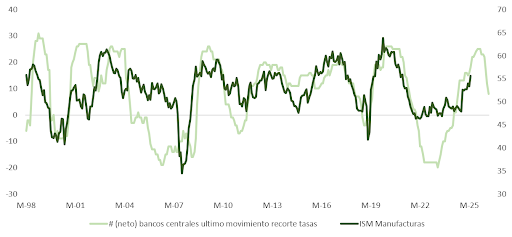
Energy price relief could offer another upside surprise, following news that the Saudi East-West pipeline can resume operation at half capacity immediately, with full repairs slated within six weeks. Meanwhile, central bank activity tracking indicates a clear inflection point away from global monetary easing, suggesting softer industrial momentum entering 2027.
Equities: Impact of the Hike Mini-Cycle on AI
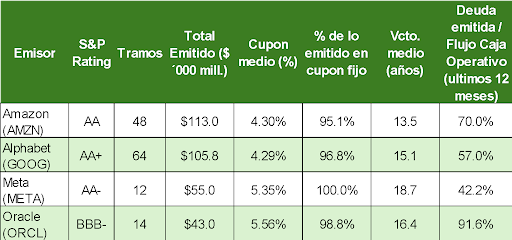
For equity markets, elevated borrowing costs tied to this rate-hike mini-cycle may disproportionately pressure AI companies carrying leveraged balance sheets. Early-stage startups lacking credit ratings—such as specialized neocloud providers—may encounter higher hurdles securing funding for data center builds.
Compounding this are growing public objections to data center construction (Morgan Stanley research indicates 75% of Americans and 83% of Democrats oppose hosting such facilities locally; as a result, $156 billion in projects were delayed or canceled in 2025, followed by another $130 billion in Q1 2026). These constraints could limit total compute supply, benefiting early-moving hyperscalers.
Hyperscalers have secured significant long-term, fixed-rate financing at borrowing costs well below current 10-year Treasury yields, leveraging their investment-grade credit profiles.
Slower deployment of AI capital expenditures—which contributed ~0.6% and ~0.4% to GDP in Q1 and Q2, respectively—could also exert downward pressure on overall inflation readings.
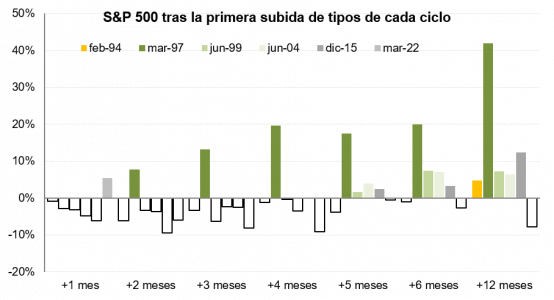
From a historical perspective, analysis of the past six U.S. rate-tightening cycles indicates that while equities often experience short-term volatility following an initial rate hike, broad indexes generally post positive total returns 12 months later. The primary exception remains 2022, when the Fed fell significantly behind the curve.



 By Cecilia Prieto