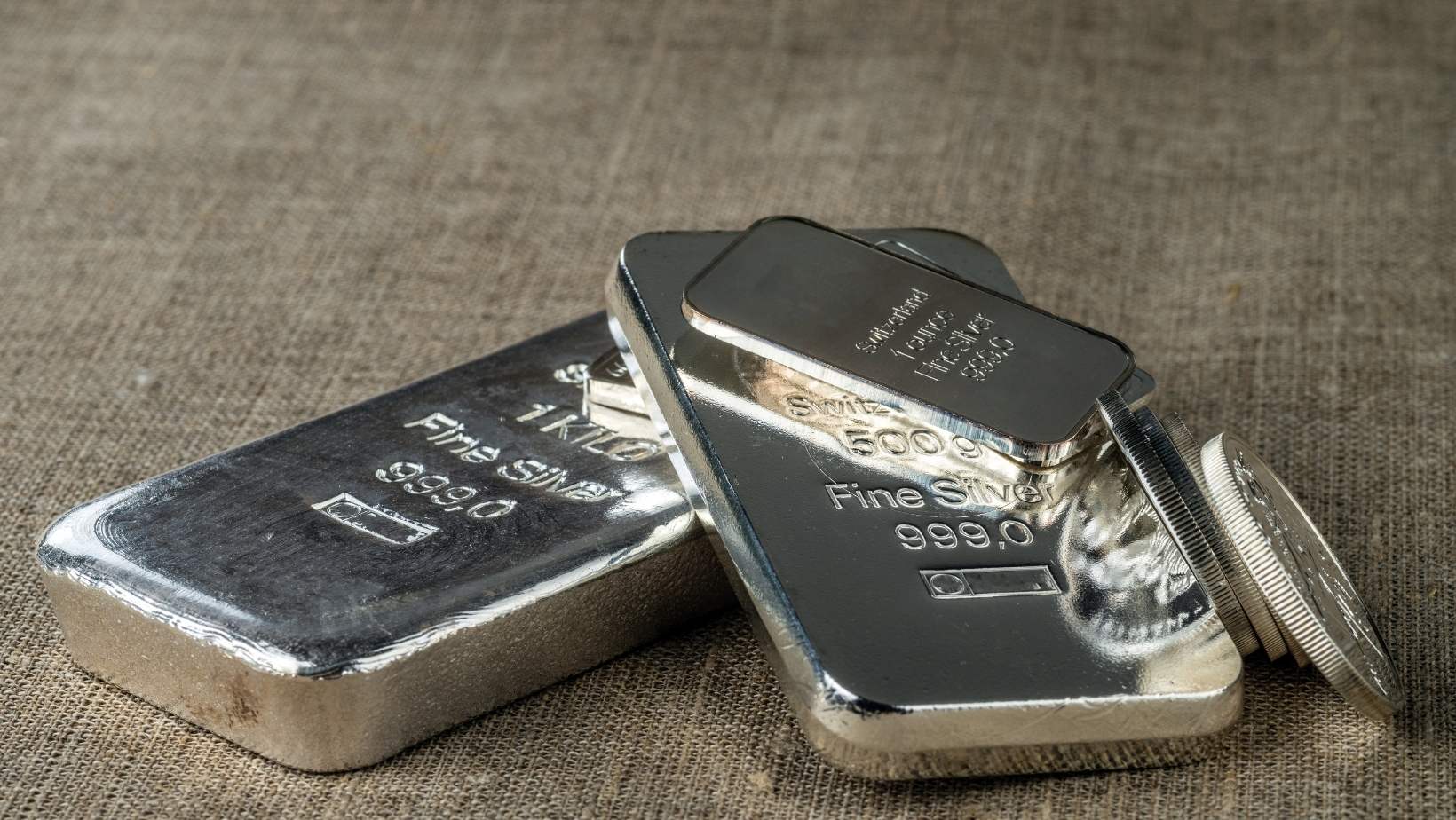
Although all eyes are on the record highs gold is setting, the truth is that another precious metal is experiencing a true rally: silver. It posted a spectacular year-end surge that has continued into the early weeks of 2026. In fact, in 2025, the metal appreciated by nearly 150%, clearly outperforming gold.
So far, gold’s current bullish trend has been supported by falling real interest rates, a weaker dollar, and market concern over the implications of rising U.S. public debt levels, the cost of servicing that debt, and the impact on U.S. Treasury bonds. But what factors are driving silver’s performance?
According to Claudio Wewel, currency strategist at J. Safra Sarasin Sustainable AM, the silver market has recorded a structural supply deficit for five consecutive years. “However, this imbalance hadn’t triggered a significant price reaction until 2025, when the uptrend accelerated and took on a virtually parabolic pattern toward the end of the year,” he notes. Wewel attributes this sharp upward movement, which even surpassed the absolute price increases seen ahead of the peaks in 1980 and 2011, to the combination of several factors:
- Decline in U.S. interest rate expectations: In the second half of 2025, the market began to focus on the appointment of a successor to Federal Reserve Chair Jerome Powell. “The expectation of a more accommodative Fed, which could implement several rate cuts in 2026, has weakened the U.S. dollar and increased the appeal of non-interest-bearing assets such as silver and gold,” he notes.
- Inclusion on the U.S. critical minerals list: In early November 2025, the U.S. Department of the Interior added silver to its list of critical minerals. Thanks to its high electrical conductivity, this material is essential for manufacturing high-performance chips and for the development of infrastructure linked to artificial intelligence. Its inclusion on the list, along with fears of potential U.S. tariffs on silver, alerted the market to potential supply risks and prompted an advance in silver shipments to the U.S. As a result, the London market recorded physical outflows of the metal, reducing local reserves.
- Chinese export restrictions: Since the beginning of the year, China has implemented stricter controls on silver exports. This decision is part of a broader strategy to secure access to critical minerals and limits silver exports during 2026 and 2027 exclusively to government-approved companies.
- Growing relevance as a store of value: Finally, silver is gaining prominence as a monetary metal. Compared to other commodities, its storage cost is low, and it has a long historical track record as a key material in coinage. The high per-unit cost of physical gold purchases is excluding many low- and middle-income buyers in emerging markets, positioning silver as a more “affordable” alternative to gold in these countries. As a result, household demand has increased in India and China. In Shanghai, buyers are paying a premium of around $10 per ounce over the London market price.
“The sharp surge in the price of silver has brought the gold/silver ratio to around 50. Given that this indicator fell to levels near 40 in previous bullish cycles, silver could significantly surpass $100 per ounce in the current cycle. In principle, our positive view on gold supports this scenario, and speculative positions do not appear excessive,” states Wewel.
However, he warns that although the physical supply deficit should keep silver prices elevated in the short term, the metal tends to experience much deeper corrections than gold after a prolonged rally due to its higher volatility. “Since momentum is losing strength, the risk-return balance now seems less attractive for silver. This also implies that, from these levels, it should be difficult for silver to continue outperforming gold,” he concludes.