Global dividends reached $424.5 billion in the first quarter of 2026, marking a 10.1% year-on-year increase, according to the first edition of Janus Henderson’s Global Dividend and Share Buyback Index. Dividend growth was widespread, with significant increases in North America, Europe, Japan, and the UK, despite a turbulent macroeconomic context.
The new index expands Janus Henderson’s dividend research to include share buybacks, offering a more comprehensive view of how the world’s largest companies return capital to shareholders. In the first quarter, global buybacks reached $425.7 billion, slightly above dividend payouts, but fell 3.1% compared to the same period last year, suggesting that companies are becoming more selective in their approach to shareholder returns.
Dividends show resilience while buybacks moderate
According to the report, the first quarter highlighted a divergence between dividends and buybacks. Dividend payouts accelerated, supported by resilient corporate earnings, while buybacks moderated against a backdrop of higher-for-longer interest rates, trade uncertainty, and geopolitical risk.
North America continued to dominate global shareholder returns. The United States contributed $183.5 billion in dividends, representing 46.3% of the index total, and repurchased $266.7 billion in shares, making it by far the largest market globally for both dividends and buybacks. US dividend growth was broad-based across sectors, with technology, financials, and energy among the main contributors.
Europe, excluding the UK, paid $67.4 billion in dividends in the first quarter, representing a 35.5% year-on-year increase, driven by currency effects and payment timing. Switzerland was the continent’s largest payer with a payout of $27.3 billion, followed by Denmark with $9.4 billion.
UK dividends boosted by special payouts
UK companies paid $17.7 billion in dividends during the first quarter, outpaying every other European country except Switzerland. According to the report, overall growth reached 17.7%, driven by special dividends, including a £3.60 per share special dividend from Next following strong overseas sales, and a special dividend from Reckitt following the divestment of its Essential Home business.
Apart from special dividends, UK payouts were supported by a wide range of companies, including AstraZeneca and Shell. The UK also executed $5.8 billion in buybacks in the first quarter, more than any other European country with the exception of Germany.
Financial sector leads distributions, while AI investment drives basic materials
The financial sector remained the largest contributor to global dividends in the first quarter, with a distribution of $90.8 billion. The sector also led global buybacks, with $110.7 billion in repurchases, accounting for more than a third of the index total.
The basic materials sector posted the highest dividend growth among all industries analyzed, with payouts surging 47.1% over the period. This was driven by strong demand for essential minerals, such as copper and lithium, which are critical inputs for data centers, semiconductors, and artificial intelligence infrastructure, Janus Henderson highlighted.
“Technology also remained central to shareholder returns. The sector distributed $43.7 billion in dividends and executed $66.6 billion in buybacks in the first quarter, underscoring the ongoing importance of mega-cap tech companies to global capital returns,” the firm emphasized.
Dividend outlook improves, but buyback decline expected
Janus Henderson forecasts global dividend growth of 8.3% in 2026, up from 6.8% in 2025. In contrast, global buybacks are expected to decline by 1.1% this year, after growing 6.1% in 2025.
The outlook for dividends remains backed by resilient earnings, though Janus Henderson notes that higher-for-longer interest rates, geopolitical risk, and pressure on consumer-facing sectors remain key risks. Buybacks are expected to stay more cyclical, offering flexibility to companies if conditions deteriorate.
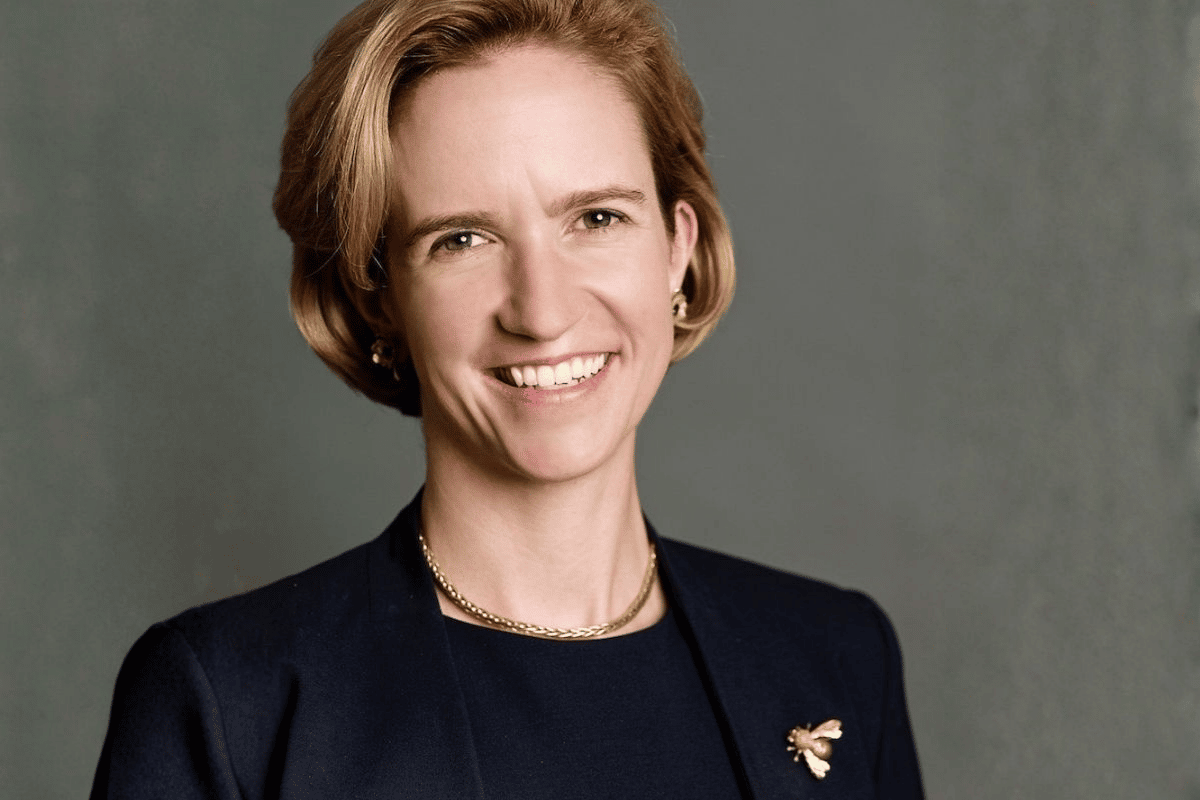
Jane Shoemake, client portfolio manager on the global equity team at Janus Henderson, stated: “Amid what appears to be an increasingly uncertain macroeconomic backdrop, the surprise has been the resilience of earnings worldwide. Those earnings almost always translate into higher dividends, and that is exactly what we are seeing now across a wide range of sectors and regions.”
“Share buybacks add another dimension to the picture. The absolute level of buybacks remains substantial, generally matching first-quarter dividends, but the modest year-on-year decline also highlights why they should be treated differently. Dividends are generally long-term board decisions based on sustainability, while share buybacks are more discretionary and cyclical in nature. In that sense, dividends remain the clearest signal of confidence, while buybacks act as a more flexible buffer,” Shoemake concluded.