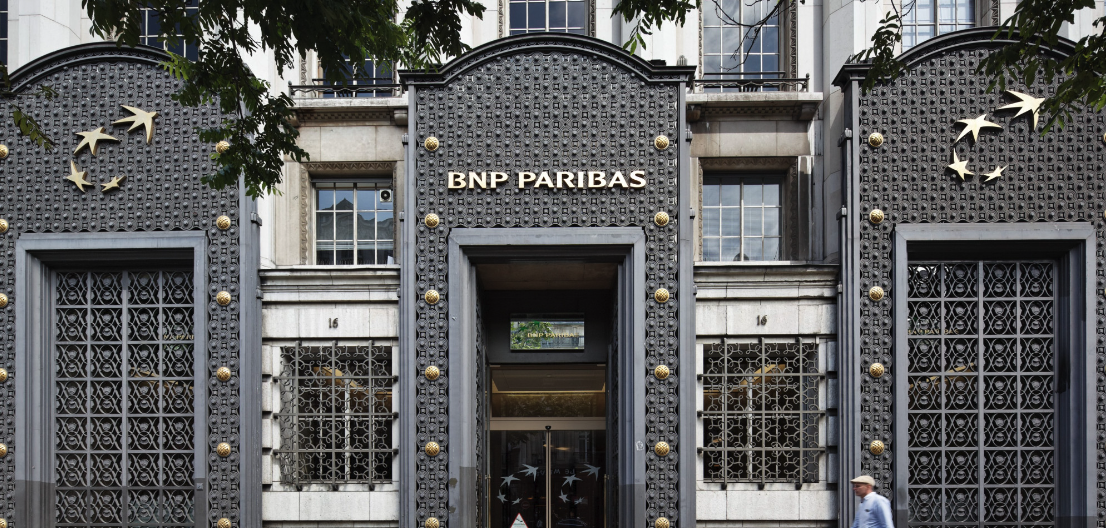
The BNP Paribas Group presented this week its 2030 Strategic Plan for its integrated asset management platform, which consolidates it as a key component in the Group’s path toward a return on tangible equity of 13% in 2028.
According to the company, following the successful acquisition of AXA IM, BNP Paribas Asset Management now has a large-scale presence across Europe, representing a transformative leap in its growth. The firm currently manages more than 1.6 trillion euros, covering all asset classes and offering a highly diversified mix of strategies and distribution channels. In addition, as highlighted by the firm, “the BNP Paribas Asset Management platform leverages the strength of the BNP Paribas Group’s integrated model, including its origination capabilities and broad distribution reach, enabling it to hold a leading position in alternative assets, long-term savings, and a rapidly expanding ETF franchise.”
The entity explains that its 2030 plan is structured around four strategic growth pillars: strengthening leadership in alternative assets; expanding active management and accelerating ETF development; developing partnerships with insurers and institutions; and accelerating growth in wealth and retail management segments.
Plans in figures and targets
Based on these growth drivers, the plan sets an ambitious financial trajectory for the period from 2025 to 2030. Specifically, it has set a target of achieving approximately 350 billion in cumulative net inflows by 2030 and growth in assets under management exceeding 5% annually (compound annual growth rate 2025–2030), with a modeled market effect of around 0%.
In addition, the asset manager expects revenue growth of around 4% between 2025 and 2030 (compound annual growth rate), mainly driven by the increase in assets under management and synergies. It also expects to keep operating expenses stable between 2025 and 2030 and improve the cost-to-income ratio to below 60% by 2030. Finally, it aims for growth in pre-tax income to nearly double by 2030 (equivalent to a compound annual growth rate of approximately 13% compared to the 2025 pro forma base) and a pre-tax return on allocated capital (RONE) above 65% in 2030 (versus 48% in 2025).
According to the firm, these targets will be achieved “through rigorous execution and the generation of approximately 150 million euros in revenue synergies and around 400 million euros in cost synergies by 2029, thanks to platform convergence, fund rationalization, and operational efficiencies of scale.” It also notes that the platform’s technological and client service capabilities will continue to be strengthened through the integration of artificial intelligence tools across the entire investment and client service value chain, significantly enhancing scalability and performance.
The executives’ view
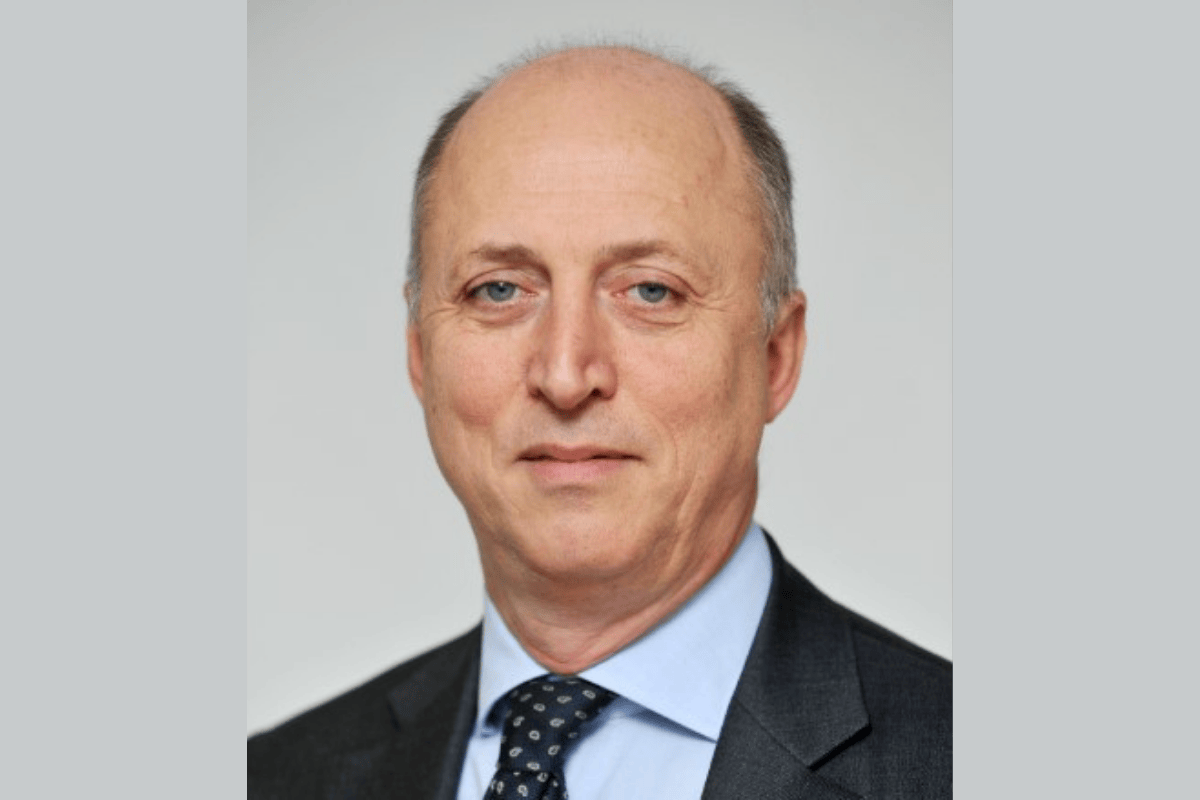
In the opinion of Sandro Pierri, CEO of BNP Paribas AM, the asset manager is entering a new phase of transformation and growth driven by favorable structural trends in savings and investment. “The objective of our 2030 Strategic Plan is to strengthen our position as one of Europe’s most powerful investment platforms. Thanks to the combination of quality and scale in public and private markets, as well as the strength of the BNP Paribas Group ecosystem, we are uniquely positioned to connect savers and investors with all the opportunities offered by the real economy. Our mission is clear: to deliver solid and sustainable results to our clients while helping finance the economic transitions shaping the future.”
For his part, Renaud Dumora, Deputy COO and Head of the Investment & Protection Services division, adds: “The Investment & Protection Services (IPS) division is an integrated services ecosystem that is particularly well positioned to meet the growing and evolving needs of individuals, companies, and institutions in Europe and other markets. In this context, the new scale of our asset management business will provide a strong boost to the IPS division and the entire BNP Paribas Group. Its scale, the diversity of its capabilities, and its integration within our One Bank model will be decisive in channeling long-term capital into the real economy, while helping clients adapt to economic, social, and technological changes. With our new strategic plan, we are ideally positioned to open new avenues for growth.”