As global wealth becomes more volatile, demand is growing for advisory firms that understand both the U.S. financial system and the needs of international investors arriving in this market; these clients generally seek advisors who can help them build globally diversified portfolios while navigating the complexities of cross-border investing.
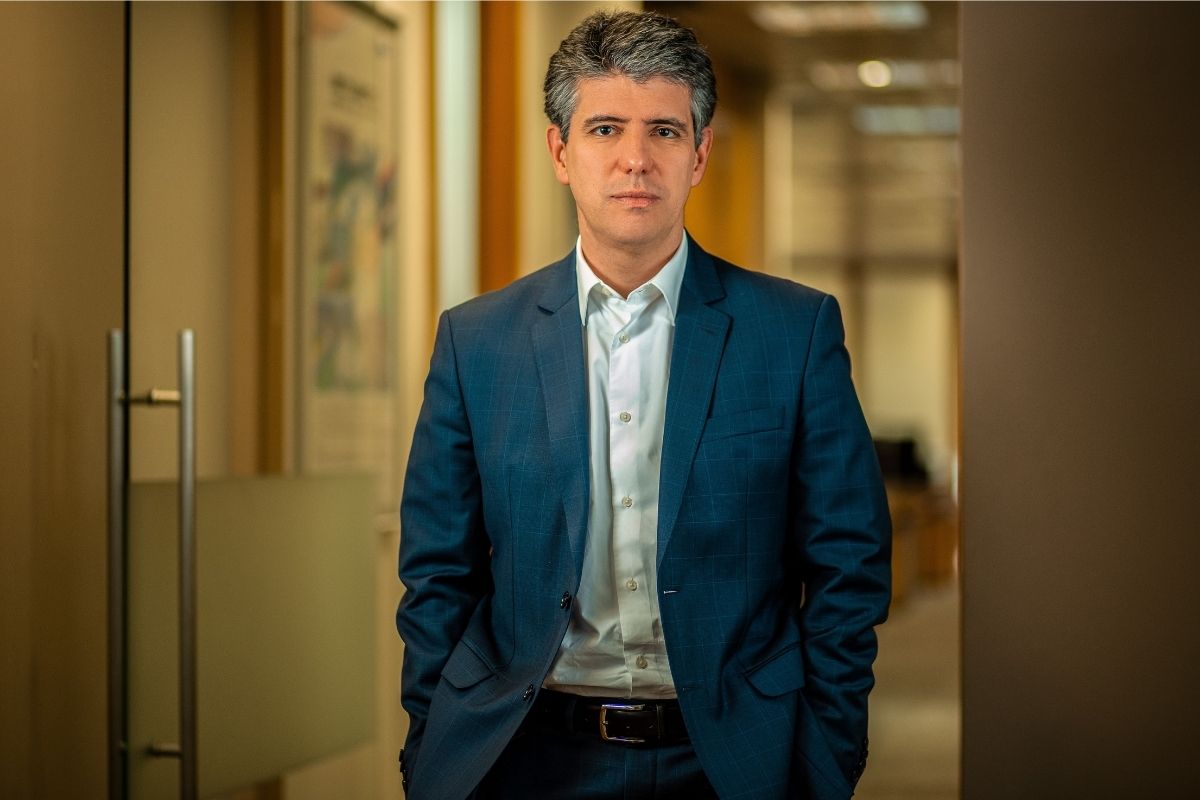
Aventura Private Wealth, a Registered Investment Advisor (RIA), understands that this is essential. Its co-founder and director, Shmuel Maya, speaks with Funds Society about the firm’s evolution since its founding in 2023, as well as the challenges and opportunities facing the U.S. offshore market in general.
“When I founded Aventura Private Wealth, I identified a gap in how traditional financial institutions served high-net-worth international clients. Many offshore investors seek diversified exposure to U.S. capital markets; however, over the past decade, access has become more restricted, as large institutions have increased their minimum investment requirements or reduced the services available to offshore clients,” the interviewee notes.
Identifying this opportunity was key to the company’s rapid launch and consolidation. “Over the past decade, many large institutions have reduced the services available to offshore clients or have significantly increased the minimum requirements to access their platforms. This has created a gap for international investors who still seek diversified exposure to U.S. markets,” he explains.
Thus, the firm’s objective is to build a fiduciary advisory platform capable of responsibly serving these investors, providing them with thoughtful access to the depth of U.S. financial markets. “From the beginning, we have focused on disciplined portfolio construction, expertise in cross-border investments, and a client-centered advisory relationship,” says its chief executive and co-founder.
Aventura Private Wealth offers its clients a meaningful differentiator compared to large global banks and other independent boutiques: its experience in managing cross-border investments in highly complex scenarios.
“For offshore clients, investing in the United States requires more than simply selecting investments. It involves understanding regulatory frameworks, jurisdictional considerations, and the structural implications of investing across different borders,” says Shmuel Maya.
This is highly relevant because, according to the interviewee, many firms underestimate this complexity; in contrast, Aventura Private Wealth responsibly guides international clients with its expertise, while also offering sophisticated portfolio construction and comprehensive wealth management services.
The Challenge of Cross-Border Wealth Management
With these premises, the firm focuses primarily on high- and ultra-high-net-worth offshore clients, particularly entrepreneurs and families in Latin America and Europe seeking diversified exposure to U.S. capital markets.
Latin American investors, in particular, have long viewed the United States as a cornerstone of global diversification.
“The United States offers some of the deepest and most liquid capital markets in the world, along with a broad universe of investment opportunities that are often not available in domestic markets. As a result, many investors in the region seek advisors who can help them build globally diversified portfolios anchored in U.S. assets,” explains Shmuel Maya.
These investors are becoming increasingly sophisticated and expect advisors who understand both the investment landscape and the cross-border considerations involved.
According to the expert, one of the most common mistakes occurs when advisors do not fully understand the jurisdictional rules of the client’s country of origin. In this sense, cross-border wealth management requires coordination among investment strategy, regulatory considerations, and legal frameworks across multiple jurisdictions. When these factors are overlooked, unintended tax consequences or structural inefficiencies may arise.
The Investment Philosophy of Aventura Private Wealth
“Our investment philosophy remains disciplined and diversified, with a focus on identifying long-term structural trends that may influence economic growth and capital markets,” says the firm’s chief executive.
He notes that they are currently closely monitoring sectors aligned with national and global strategic priorities. Areas such as artificial intelligence, energy infrastructure, critical materials, and defense-related technologies are receiving significant attention in terms of public policy and investment.
“When appropriate, clients may gain exposure to these themes through a combination of public market investments and selective opportunities in private markets.”
For the firm, its investment philosophy is always aligned with market trends, as, for example, high-net-worth investors today are significantly more informed and have a much more global perspective than a decade ago.
Therefore, these clients expect broader access to investments and a more strategic approach to portfolio construction. This includes traditional public markets, as well as selective access to private companies and private market investments that were historically available primarily to institutions.
“Many investors recognize that some of the most transformative companies remain private for longer periods and seek advisors who can strategically integrate those opportunities within a broader wealth strategy,” he says.
Regulation, a Fundamental Pillar for Trust
Aventura Private Wealth is a firm convinced that regulation plays a fundamental role in maintaining the integrity of financial markets and strengthening trust between advisors and clients.
“From the outset, we structured Aventura Private Wealth as a fee-based fiduciary advisory firm, because alignment of interests is essential for long-term relationships. We also prioritized building a strong compliance infrastructure from early stages, incorporating leadership with experience in regulatory compliance,” explains Shmuel Maya.
Challenges and Opportunities for Boutique Wealth Managers
Wealth management is not a passive task, it never has been, but in modern times, this premise is more true than ever. According to the interviewee, one of the most significant developments shaping the industry is the integration of technology and artificial intelligence.
“Technology will enhance research capabilities, operational efficiency, and the client experience. At the same time, the industry is undergoing a generational transition among financial advisors,” he says.
Thus, “Firms that succeed in combining technology with highly personalized advisory relationships will be well positioned to thrive in the coming years,” he concludes.