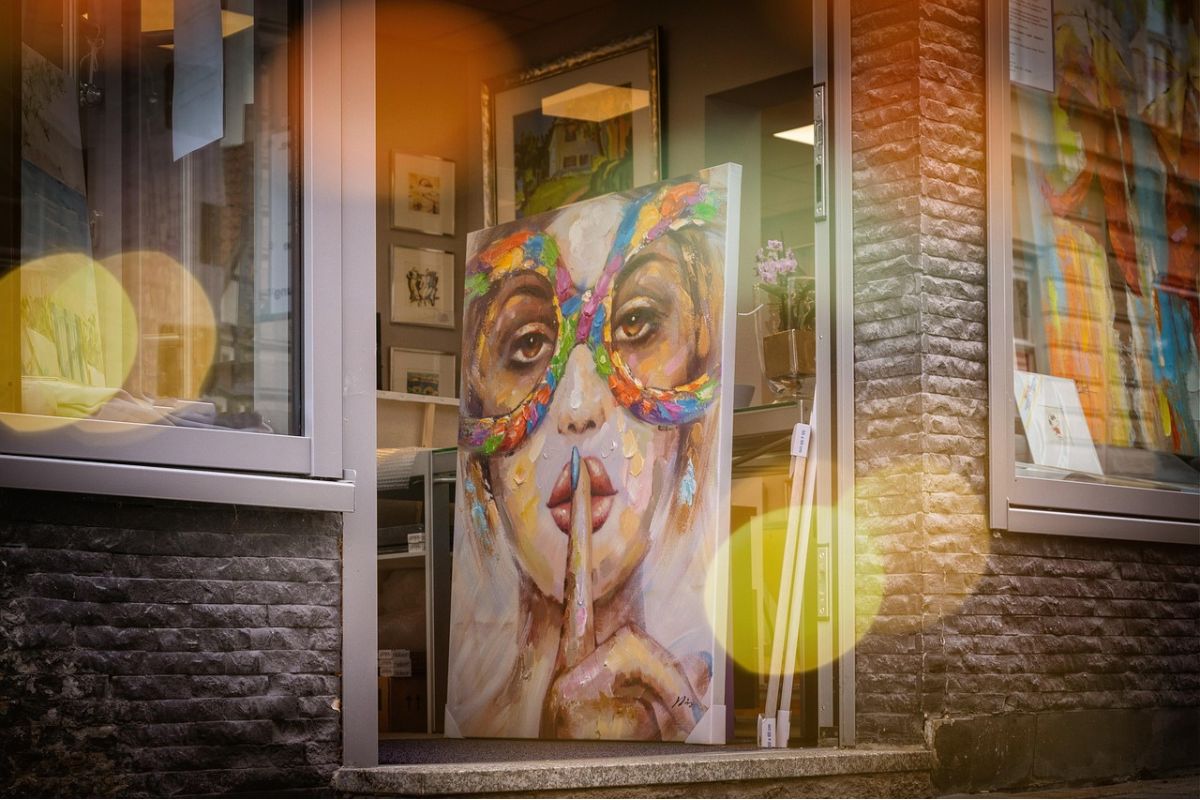
Incorporating Art and Collectibles Into Wealth Management Can Add Significant Long-Term Value, according to the Art & Finance Report 2025 prepared by Deloitte. “Creating a deeper and more personal connection with clients, especially with the next generation, is a key aspect of this year’s report,” the study states. The benefits of integrating art into portfolios go beyond financial returns and include emotional and relational advantages. “It encourages a more humanistic approach, offering both financial and non-financial meaning through personalized and memorable experiences,” it notes.
The study concludes, among other points, that in a world marked by uncertainty, hyper-individualism, rapid technological change, and the disappearance of traditional reference points, “art and culture offer a way to reconnect; they help share values, find common ground, and cultivate our humanity.” In this context, the authors of the report acknowledge that artistic and collectible initiatives “have lasting relevance and resonance in the current, ever-evolving wealth management landscape, whether designed for Ultra-High-Net-Worth Individuals (UHNWI) or tailored to a broader private clientele.”
Following a survey of 473 professionals from the art and finance worlds—wealth managers, family offices, collectors and art professionals, as well as art-secured lenders—the study identifies five key trends in art investment:
1. Growth in Wealth Allocated to Art and Collectibles
The report estimates that art and collectible wealth among UHNWI grew from $2.17 trillion in 2022 to $2.56 trillion in 2024—an 18% increase. Projections suggest this figure could reach around $3.47 trillion by 2030—a 60% increase over 2022—driven by the growth of the global UHNWI population.
2. The Great Wealth Transfer
Up to 1.2 million individuals with a net worth exceeding $5 million are expected to transfer nearly $31 trillion over the next decade. Those with over $30 million represent 13% of this group but account for 64% ($19.84 trillion) of the total transfer. Assuming 5% of this transferred wealth pertains to art and collectibles, approximately $992 billion—around $100 billion annually for 10 years—will change hands.
3. Beyond Traditional Art
The art and finance strategy has expanded to include not only art and antiques but also luxury items and personal collectibles. This broadens the range of assets addressed in wealth allocation and client coverage.
4. Growing Client Base
The number of potential clients for art wealth management services is substantial. Around 121,000 individuals had UHNWI status in 2024, and this figure is expected to rise to approximately 163,725 by 2030. Many may be ideal candidates. Around 25% of wealthy investors identify as “collectors,” and those with $5 million or more in investable assets often devote considerable time and resources to their, often extensive, collections.
5. Mid-Market Opportunity and Resilience
Artworks valued between $50,000 and $1 million have shown resilience during global art market downturns. The mid-market segment remains largely underutilized. In 2024, it represented roughly $8 billion in global auction sales—only 4% of lots sold.
Outlook
The survey also outlines general perspectives on wealth management and art investment:
1. Strong Support for Art in Wealth Services
A large majority of professionals in the art and finance sectors still believe art should be part of wealth management services. The average consensus among wealth managers, collectors, and art professionals reached 79%.
2. Fewer Wealth Managers Offer Art-Related Services
The share of wealth managers offering art services dropped from 63% in 2023 to 51% in 2025. This decline was seen in both private banks (50%) and family offices (52%). The trend may reflect a more cautious or selective approach due to perceived regulatory complexity and operational challenges. Independent external providers are increasingly important to fill knowledge gaps and offer compliant, scalable art services.
3. Integrated Advisory Drives Inclusion of Art
In 2025, 87% of wealth managers cited the need for integrated advisory relationships as the primary reason for including art. This reinforces the role of art in comprehensive wealth planning.
4. Client-Driven Factors as Main Reason for Including Art
65% of wealth managers stated that their clients are increasingly seeking assistance with art-related matters, a significant rise from 44% the previous year. Conversely, the importance of art as an asset class declined from 60% in 2023 to 52% in 2025. This shift highlights a move from a purely financial model to a more holistic, goal-oriented approach driven by evolving client expectations and generational change. In this context, art and collectibles can play a strategic role.
5. Holistic Wealth Management Recognizes the Dual Role of Art
Integrating art-related services into modern holistic wealth management acknowledges art’s dual function as both an alternative capital asset and a form of personal expression with intrinsic value. This comprehensive approach ensures that clients’ assets are managed for profit, personal fulfillment, and legacy creation.
6. Average of 10.4% of Wealth Allocated to Art and Collectibles
According to the survey, clients allocate an average of 10.4% of their wealth to art and collectibles—a figure consistent with the 10.9% reported in 2023.
7. Third-Party Expertise Is Essential
Third-party expertise is vital for developing art-related wealth services, but finding and selecting the right partners is increasingly challenging.
8. Passion-Investment Mix Still Leads, but Emotional Motives Are Rising
While the combination of passion and investment continues to drive most collectors (59% in 2025), this share has steadily declined from 76% in 2014. Meanwhile, purely emotional and cultural motivations for collecting have reached their highest recorded levels. This reflects a growing shift toward collecting for reasons of identity, meaning, and legacy, rather than just financial return.
9. Collecting Is Becoming More Professional and Goal-Oriented
Demand for collection management rose from 52% in 2023 to 63% in 2025, with a corresponding increase in art and estate planning.
10. Continued Demand for Art Market Research
Art market research and insights remain highly valued, rising from 90% in 2023 to 91% in 2025.
11. Art-Backed Lending and Social Impact Investment on the Rise
These trends reflect a broader shift in values, where financial decisions increasingly align with personal goals, sustainability, and identity.