Historically, the outflow of Latin American capital to the United States was driven by defensive logic. Business owners and high-net-worth families transferred a portion of their wealth to safeguard it from devaluations, inflation, political uncertainty, or the financial crises that periodically hit the region. It was known as flight capital: money seeking refuge. Today, this phenomenon is undergoing a profound shift.
The flow of wealth originating from Latin America—and particularly from Mexico—is no longer driven solely by asset protection. According to the LATAM Family Office Society, business families are establishing permanent structures along the Miami-Texas corridor, turning it into a strategic hub from which they coordinate corporate governance, generational succession, international investments, private asset management, and co-investments alongside other high-net-worth families.
In other words, it is no longer about taking money out of the country, but rather about internationalizing the family business without abandoning its local operations. This shift represents one of the most significant transformations in the Americas’ wealth management and family office market over the past decade. The difference between the two models is substantial.
Whereas in the past a large portion of Latin American wealth arrived in the United States to remain relatively static—deposited in bank accounts, real estate, or financial instruments considered safe—the goal today is different.
Business families are establishing investment vehicles, international holdings, family offices, trusts, private foundations, and corporate governance structures that enable them to manage businesses spread across multiple countries, facilitate wealth succession, and involve new generations in decision-making.
Two US states are essential to these objectives: Texas has established itself as the operational hub for these structures, while Miami continues to serve as the financial and wealth gateway for Latin America.
The combination proves especially attractive to Mexican business owners due to geographic proximity, commercial integration under USMCA, the depth of the US financial system, and a growing ecosystem of specialized advisors catering to large fortunes—though, in reality, entrepreneurs and investors of many nationalities are making their way to these destinations.
The Figures Behind the Expansion and Model Shift
Capgemini’s World Wealth Report 2026 points out that the wealth of high-net-worth individuals (HNWIs) reached a record high of $98 trillion after growing 8.7% during 2025—the largest annual increase since 2018. The global population of HNWIs reached 25.3 million people, nearly two million more than the previous year.
North America once again concentrated a large portion of that expansion. The United States added 736,000 new millionaires during 2025, bringing its HNWI population to 8.7 million, while the segment’s total wealth grew by 9.2%. In contrast, Latin America showed much more modest growth.
Capgemini estimates that the wealth of Latin American high-net-worth individuals grew around 5.1%, while the HNWI population barely increased by 0.3%, reflecting that the region continues to face economic and political uncertainty. Mexico stood out within the regional context, posting a 5.4% increase in high-net-worth wealth and a 1.8% rise in the number of HNWIs.
Texas Is No Longer Just an Industrial Destination
For many years, Texas was viewed primarily as the state for manufacturing plants or US-Mexico trade-related companies; today, its role is quite different.
Houston, Dallas, and Austin have transformed into decision-making centers for Latin American family businesses, wealth planning firms, alternative investment managers, law firms, private banks, and tax advisors. Proximity to Mexico allows daily operations to run smoothly while strategic decisions regarding international investments, succession, or global expansion are made from the United States.
Furthermore, Texas offers an attractive environment due to its regulatory framework, lack of state personal income tax, lower operating costs relative to other US financial centers, and an increasing concentration of specialized talent.
Miami Retains Its Wealth Leadership
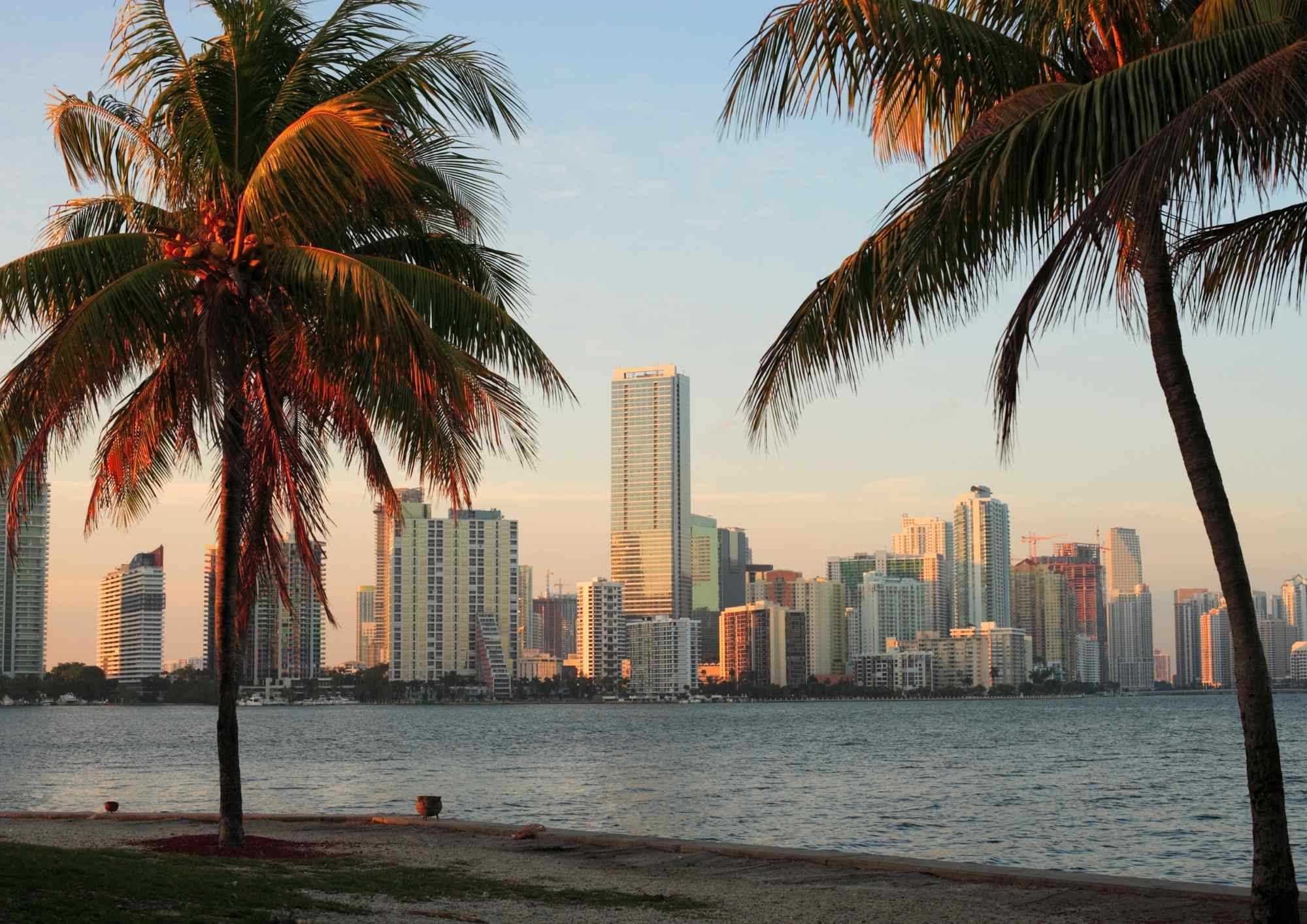
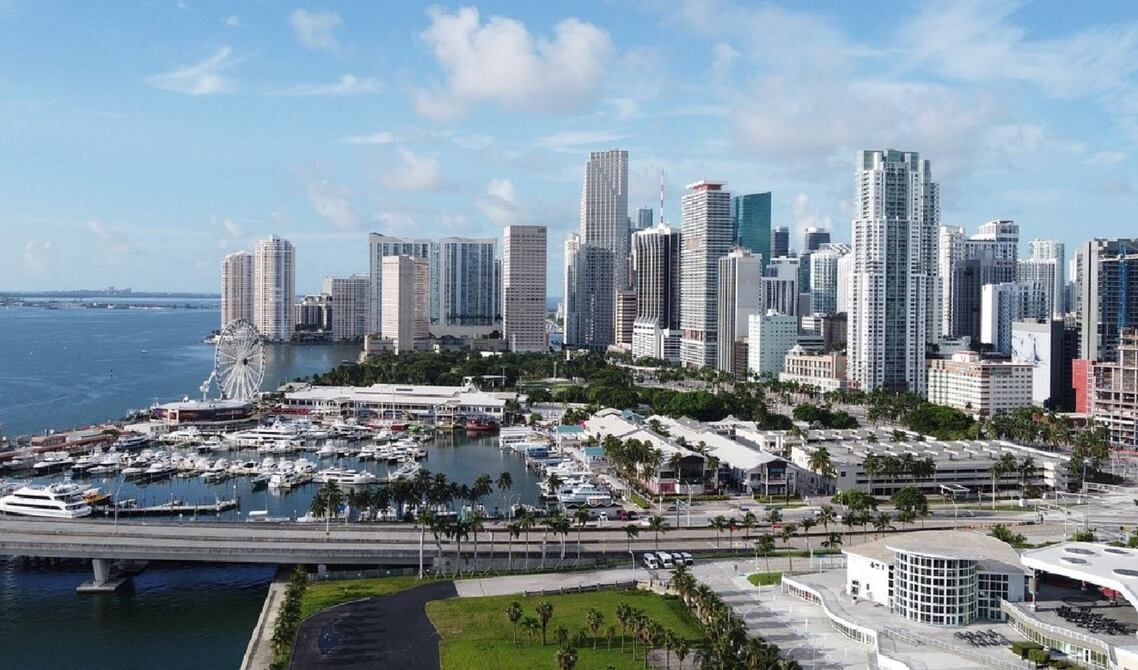
While Texas strengthens its corporate profile, Miami retains its position as the primary financial hub for Latin America’s largest fortunes.
The city hosts offices of virtually every major international bank specializing in private banking and wealth management, as well as legal, tax, and fiduciary firms tailored to Latin American clients.
According to the World’s Wealthiest Cities 2025 report by Henley & Partners and New World Wealth, Miami boasts around 38,800 millionaires, consolidating its standing as one of the world’s primary centers for mobile private wealth. The city continues to serve as a meeting point for investors, asset managers, and business families from Mexico, Brazil, Colombia, Argentina, Chile, and other Latin American markets.
Succession Becomes a Priority
One of the less visible drivers behind this transformation is the generational shift; thousands of Latin American family businesses will face wealth and corporate succession processes over the coming decade.
The challenge is no longer simply distributing assets, but preserving companies operating across multiple countries, managing private investments, coordinating different family branches, and preparing the rising generations.
In this context, family offices are evolving into comprehensive platforms capable of combining traditional investments with private assets, infrastructure, private equity, international real estate, and philanthropic strategies.
Wealth sophistication is also reshaping portfolio composition; according to Capgemini, 88% of high-net-worth individuals currently work with more than one wealth management firm, primarily to access opportunities in alternative investments, private markets, and specialized strategies.
This shift explains why Latin American family offices are demonstrating growing interest in private equity funds, private credit, infrastructure, technology, artificial intelligence, and international co-investments—they no longer seek merely to preserve wealth, but to participate directly in its creation.
The transformation of the Miami-Texas corridor reflects a far deeper shift than a simple geographic movement of capital. It represents the evolution of major Latin American fortunes toward an international model in which the family business ceases to be tied to a single country and begins operating through global investment, succession, and corporate governance platforms.
For Mexico, this trend is particularly meaningful. Growing economic integration with the United States, the nearshoring phenomenon, the consolidation of USMCA, and the expansion of business wealth are prompting an increasing number of families to professionalize the administration of their wealth through international structures. It is here that the old concept of flight capital loses its relevance.
In its place emerges a new era in which Latin American wealth does not abandon its home countries, but builds a second platform from the United States to compete in a global market.