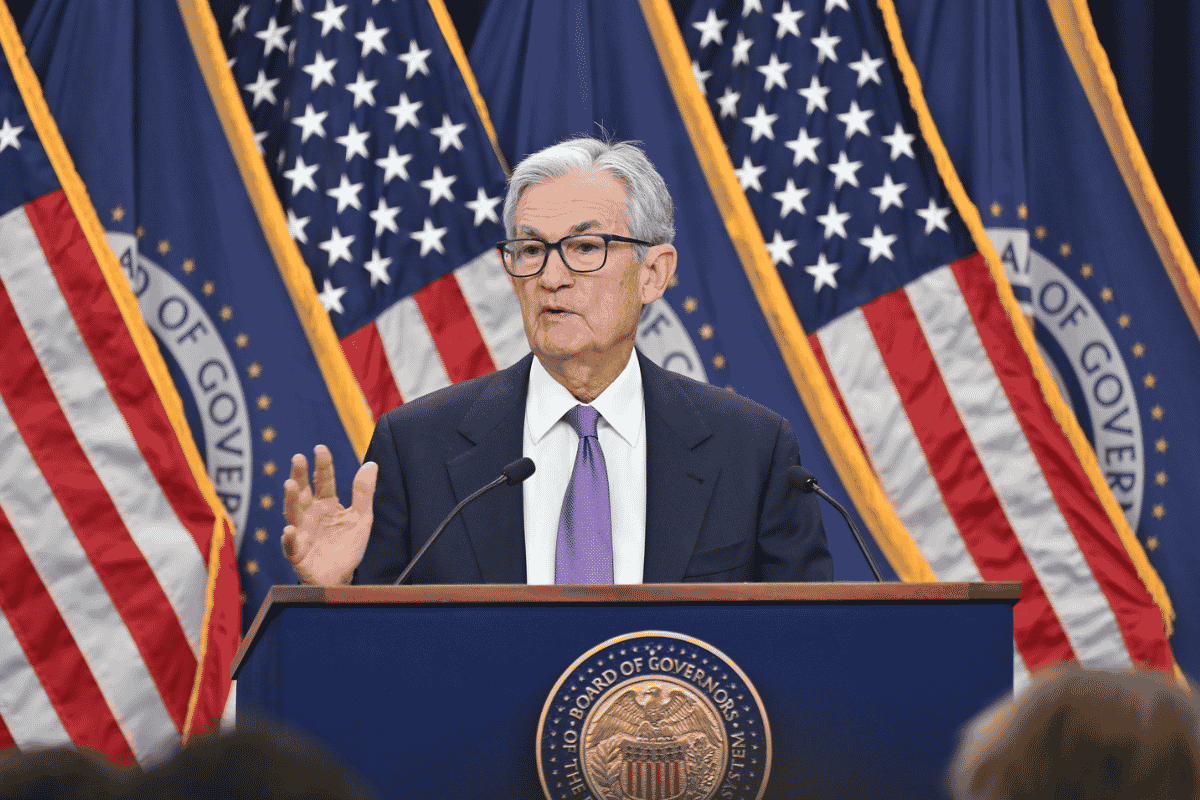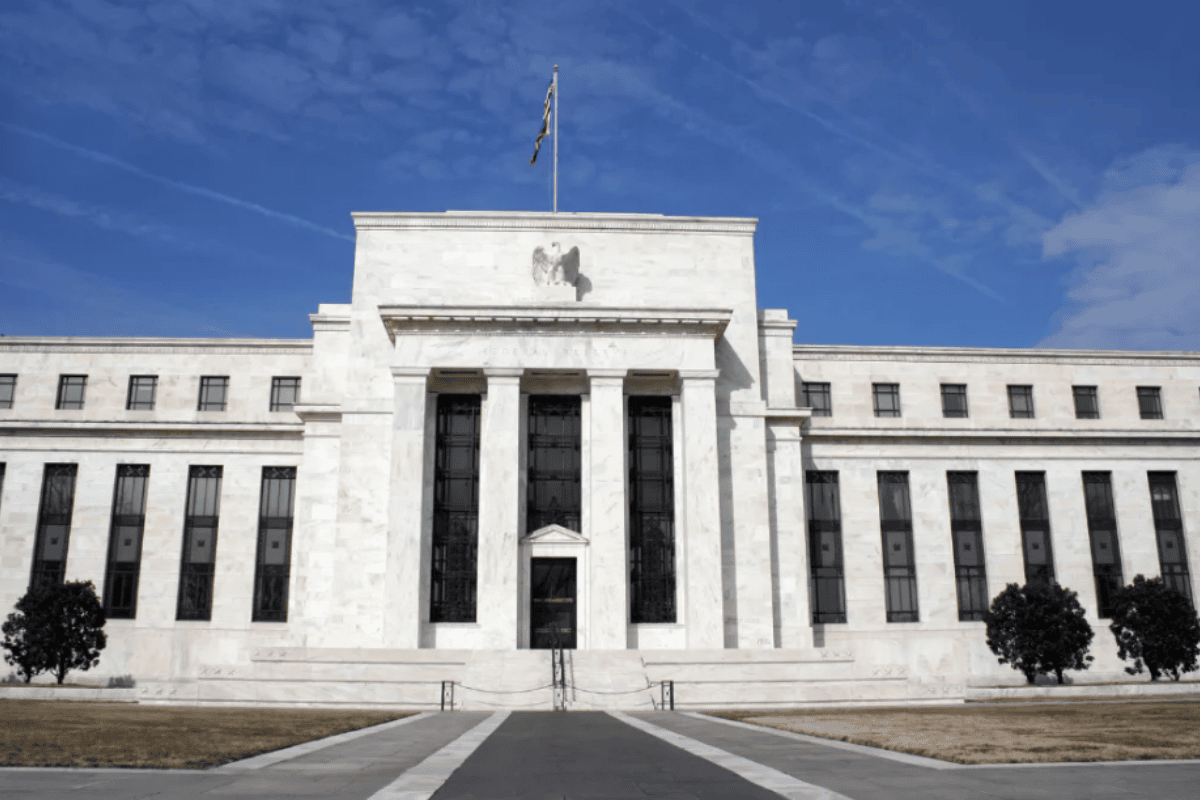
The U.S. Federal Reserve begins a new chapter this week with the arrival of Kevin Warsh as chairman of the central bank, bringing Jerome Powell’s eight years at the helm to an end. Powell will remain a member of the Board of Governors until January 2028, a decision that could influence the institution’s internal dynamics over the coming months.
This new phase comes at a delicate moment for the U.S. economy. Inflation remains elevated, while geopolitical tensions and rising energy prices linked to the ongoing conflict in the Middle East create the perfect backdrop for questions about when the next rate-cutting cycle will begin. In this context, several international asset managers agree that Warsh will bring his own style to the Fed, although views differ regarding the implications for monetary policy and markets.
More room for rate cuts
At Neuberger Berman, analysts believe the market remains focused on the central bank’s hawkish tone and is not clearly seeing the possibility of further rate cuts. The key idea is that Warsh views balance sheet policy and interest rate policy as complementary, meaning both tools can act simultaneously and gradual balance sheet reduction could occur alongside cuts to short-term rates rather than one happening at the expense of the other.
The asset manager’s hypothesis is that “the FOMC will remain in an easing cycle, with additional cuts bringing the policy rate to between 2.75% and 3.25% — broadly in line with the Fed’s own estimate of the neutral rate. In fact, market expectations of one or no cuts this year appear too conservative. Risks lean toward elevated inflation and delayed cuts, but the direction of travel is clear,” said Ashok Bhatia, CIO and Global Head of Fixed Income at Neuberger Berman.
For Vontobel, the main change will be in leadership style. “Warsh has openly expressed his desire to move away from the traditional consensus-based approach toward a more debate-oriented model,” said Michaela Huber, Senior Cross-Asset Strategist at the firm. The institution also emphasized that “Warsh made it clear he is a firm critic of forward guidance, arguing that it boxed the Fed into predetermined paths and reduced its ability to respond to real-time data. This approach could lead to a more dynamic (and perhaps unpredictable) Fed.” Warsh has also expressed confidence that advances in artificial intelligence could boost productivity and help contain inflation, creating room for lower rates.
“Warsh prefers trimmed mean or trimmed median inflation as the gauge to guide monetary policy. This could result in lower perceived price pressures than the indicator currently used by the Federal Reserve,” said Mickael Benhaim, Head of Fixed Income Strategy at Pictet Asset Management. This suggests interest rates could be lower under Warsh. “Currently, the trimmed mean inflation reading is 2.3%, more than 0.5% below the PCE indicator and the widest gap since the pandemic,” the expert noted.
The new Fed chairman has made it clear that he believes the current seven trillion dollars in government bond holdings are too large and has not hidden his intention to reduce them. “Over time, his preference for a smaller balance sheet, together with liquidity rules that encourage banks to hold more Treasury bills and fewer reserves, could create structurally higher term premiums on long-term debt and force private investors to hold fixed income with lower sensitivity to interest-rate changes,” the fixed-income strategist added.
Language and risks
At PIMCO, analysts believe the leadership change will affect the Federal Reserve’s language more than its decisions on rates. “Even so, we continue to expect that the next move will ultimately be a cut, and we still place the neutral interest rate at around 3%. However, the timing is uncertain. If the conflict with Iran and the energy shock prove more persistent, it could take longer for core inflation to moderate more clearly toward the Fed’s target, complicating the decision to ease monetary policy,” explained Tiffany Wilding, economist at PIMCO.
Finally, for eToro, a Fed led by Warsh will not necessarily imply more restrictive monetary policy, but it will represent a significant shift in how markets price risk. “A Federal Reserve under Warsh’s leadership would likely rely less on balance sheet expansion and signaling every move, and more on market valuation, private capital, and economic fundamentals. This points to a gradual transition toward a smaller and shorter-duration Fed balance sheet, with private banks playing a greater role in absorbing liquidity and government debt,” said Lale Akoner, Global Market Analyst at eToro.
This means that “short-term bonds could benefit from potential cuts once the energy crisis passes, while long-term bonds could see less upside potential if concerns about inflation and public debt keep yields elevated,” analysts at the firm explained. Financial companies, banks, and asset managers could therefore benefit, while highly leveraged and speculative growth companies may face more demanding market conditions.