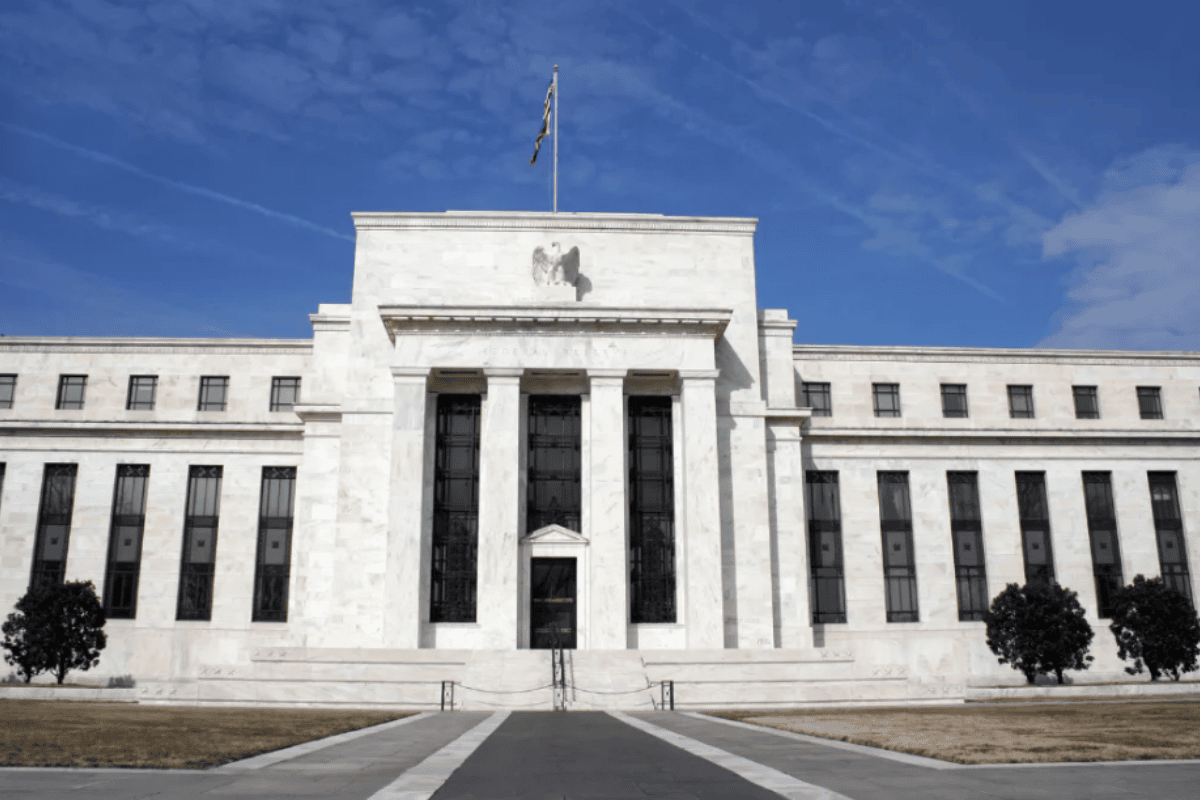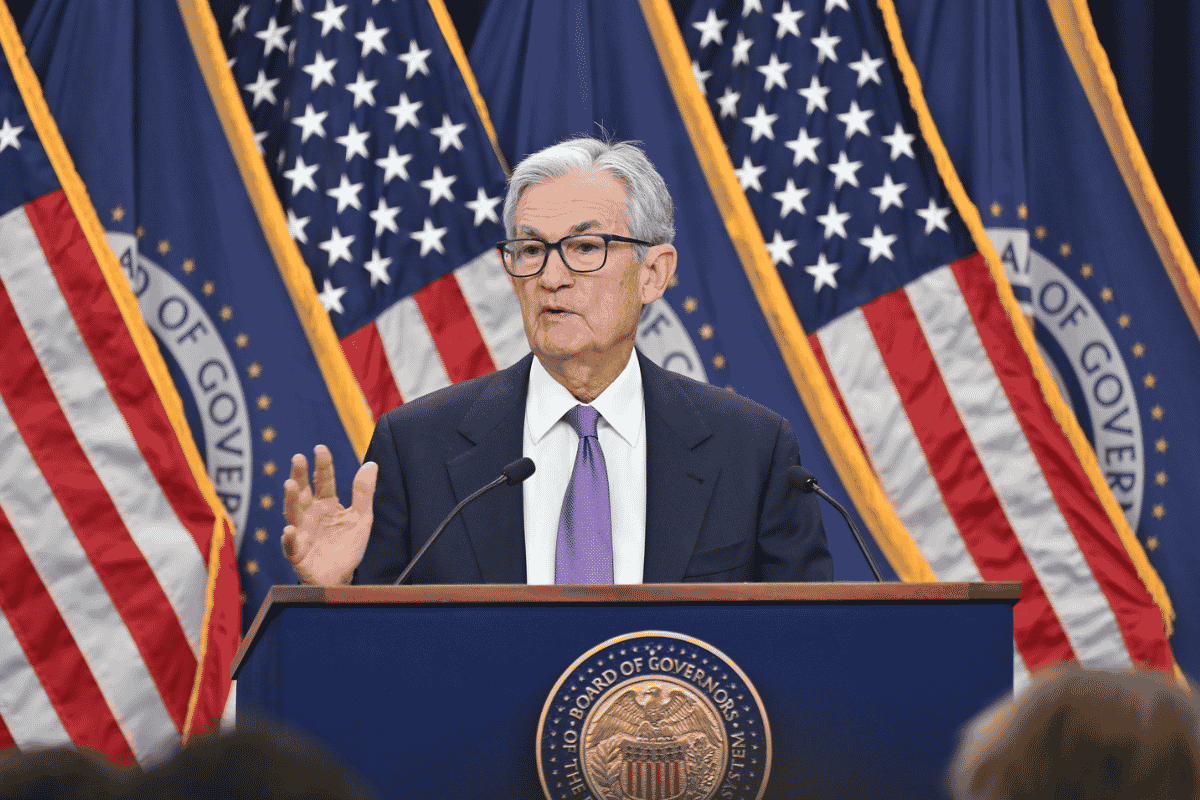
The Fed is expected to keep its benchmark interest rate unchanged at its meeting, despite pressure from the energy sector. According to experts, the information currently available to voting members of the FOMC does not allow for identifying any possible transmission effect of rising energy prices to core prices. So, what can we expect from this meeting?
According to Erik Weisman, chief economist, and Kish Pathak, fixed income analyst at MFS Investment Management, the overall message will be that monetary policy is in a good position to “wait and see” how growth and inflation prospects evolve. “As early as March 18, Chairman Powell downplayed economic projections, given the uncertainty related to the conflict. He is likely to reiterate that the outlook depends on the conflict. Although the uncertainty associated with the war in Iran has decreased since then, it remains very high. Nevertheless, the market will be very attentive to any change in tone regarding growth and inflation prospects,” they acknowledge.
What we do know for certain, as shown by the minutes of the March meeting, is that a minority view is emerging according to which rate hikes may be necessary to protect the inflation aspect of the mandate. “Chairman Powell may have to answer questions seeking to clarify what developments could tilt the FOMC in that direction. He will likely state that it is too early to make that judgment and that monetary policy is in a good position to balance risks on both sides of the mandate. This would be in line with most of the Fed’s communications since the March meeting,” say the experts at MFS IM.
Issues on the Table
For his part, Mabrouk Chetouane, Chief Markets Strategist at Natixis IM Solutions, believes that what is at stake in this meeting is twofold. “First, to anchor investor expectations regarding interest rates and inflation in order to avoid any undesired tightening of financial conditions; and second, to maintain a range of options available to address any type of scenario,” Chetouane notes.
In his view, this energy crisis could lead to a significant decline in aggregate demand. “We believe cyclical risks could materialize and that the Fed’s reaction function continues to place greater importance on economic activity and, consequently, the labor market. We maintain that the Fed could cut its benchmark interest rate by between 25 and 50 basis points between now and 2026, not to satisfy the wishes of the White House, but due to the need to support demand,” he adds.
Given this strong confidence that Powell’s Fed will opt for continuity, Marco Giordano, Investment Director at Wellington Management, recalls that central bank decisions will be determining factors for the global cycle in the coming quarters, as policymakers absorb this latest exogenous shock and act accordingly. “Throughout the month of March, central banks around the world chose to keep interest rates unchanged, citing rising geopolitical risks and uncertainty surrounding inflation prospects driven by energy prices,” he comments.
The Handover Arrives
Another of the most important aspects of the April meeting is that it will be Chairman Powell’s last press conference, if Kevin Warsh is confirmed soon. “He will likely be asked again about his decision to remain a Board member after the end of his term as chairman and how that decision could change if the Department of Justice investigation is closed. Most likely, he will repeat that he has not yet made a decision on the matter,” acknowledges Weisman.
What might a Warsh Fed look like? For Eiko Sievert, Head of Public and Sovereign Sector Ratings at Scope Ratings, if Kevin Warsh is confirmed as the next Chairman of the Federal Reserve, he is likely to advocate for interest rate cuts based on his view that AI-driven growth will not generate inflation.
“His appointment would point to a significant reduction in the intensity of supervision and a shift toward deregulation, as well as a more limited focus on the Fed’s dual mandate of ensuring stable prices and maximum employment. As a result, issues such as climate risk and social equity are likely to receive significantly less attention. Reducing the Fed’s balance sheet will be a priority, although implementation is likely to remain gradual to avoid undue market volatility,” Sievert emphasizes.
Finally, the expert sees it as likely that there will be changes in how the Fed communicates publicly, with less forward guidance on FOMC members’ expectations regarding future interest rates.
“With this background scenario, the June FOMC meeting will be subject to close scrutiny. Rate cuts carried out without data backing a decline in inflationary pressures would signal a weakening of the Fed’s independence,” he concludes.