The 2026 FIFA World Cup may influence the dynamics of the peso–dollar exchange rate through various macro-financial and microstructural channels; it is highly likely that for a month the Mexican currency will be immersed in a certain lull, but what happens afterward?
According to analysts, the key point is that the World Cup effect is not a long-term structural driver, but rather a transitory shock with potentially asymmetric effects, depending on the stage of the cycle and market positioning.
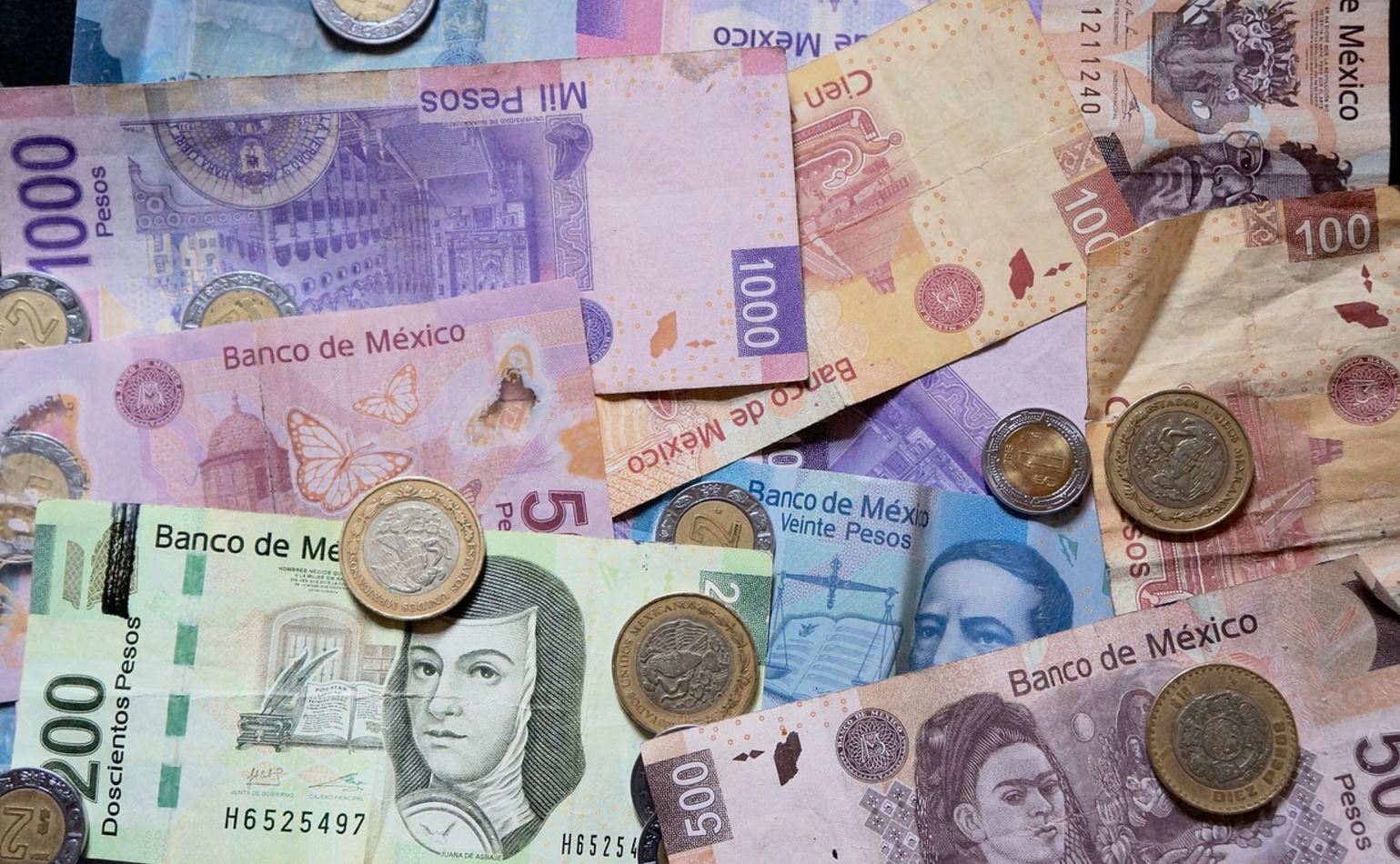
The Mexican peso is trading toward 17 units per dollar; so far this year it has recorded an appreciation of 4.05% despite a highly complex geopolitical context. The Mexican currency is once again being referred to as the “super peso,” and it is estimated that World Cup fever will keep it stable or lead to further appreciation.
The Football World Cup tends to generate a significant increase in aspects such as: revenue from international tourism (services account); spending by non-residents in Mexican territory; foreign currency inflows from events, sponsorships, and associated rights.
This implies a greater supply of dollars in the spot market, as well as potential marginal appreciation of the peso during the peak influx phase.
However, the impact is usually limited and short-lived, as part of the spending is channeled through international platforms (resulting in a smaller direct exchange-rate effect); in addition, there are offsetting effects from imports associated with the event.
USMCA in sight and geopolitics: the risks
The Football World Cup will last just over a month; afterward, everything will return to normal. The issue is that in the second half of the year, several factors will need to be considered in determining the trajectory of the most liquid emerging-market currency in global markets: the Mexican peso.
Funds Society spoke with Gabriela Soni, Head of Investment Strategies for Mexico at UBS, about the situation of the peso, especially for the second half of the year.
For the specialist, the renegotiation of USMCA as well as geopolitical risks are currently the factors most likely to determine the future trajectory of the currency.
“We see two main risks: a tightening of global financial conditions and uncertainty surrounding USMCA. In episodes of heightened risk aversion—in a context of elevated geopolitical tensions—exchange rate volatility, capital outflows, and pressure on the peso can arise. Even so, Mexico is better positioned than in previous episodes thanks to stronger domestic fundamentals. Regarding the USMCA review, although we expect the agreement to evolve rather than break down, the negotiation process could trigger episodes of volatility,” said the specialist.
According to Gabriela Soni, the peso strengthened in recent years thanks to a combination of idiosyncratic factors that differentiated it from other emerging markets: a highly favorable interest rate differential that attracted carry flows, the resilience of the U.S. economy that boosted exports and remittances, relatively solid macro fundamentals compared to its peers, and the nearshoring narrative. Together, these elements created an exceptionally favorable environment for the currency.
However, there are also other factors that could put pressure on the currency in the medium term; for example, the reduction of interest rates in Mexico, running counter to the global trend in a context of inflationary pressures.
“The room for Banxico to continue cutting rates exists, but it is increasingly limited and highly dependent on the environment. Banxico’s recent decision to resume the rate-cutting cycle reflects a delicate balance between a weak economy and an still complex inflationary environment,” the expert notes.
“Additionally, the interest rate differential with the U.S. has already narrowed significantly, which limits the support that carry had provided to the peso. In this context, although we anticipate that an additional cut could materialize, it will require clear evidence that inflationary pressures—including those derived from the oil shock—are transitory. Otherwise, the room for maneuver could quickly be exhausted, with implications for the exchange rate,” she says.
Regarding the imminent review (or renegotiation) of USMCA, Gabriela Soni explains: “In our view, trade disputes within the USMCA framework constitute the most likely risk today; although so far the peso has shown limited sensitivity to this uncertainty, supported by the strength of trade flows and the legal framework of the agreement itself, which guarantees its validity for ten additional years even in the absence of an extension agreement. In an extreme scenario—such as a threat of withdrawal by the U.S.—we would anticipate a short-term depreciation of the peso. However, we believe this movement would likely be transitory, as it could be interpreted as a negotiating tactic.”
For the UBS specialist, the peso will remain a resilient currency despite the periods of pressure that are anticipated.
“Our projections point to a gradual appreciation of the peso going forward, with levels of 17.7 by the end of the second quarter of 2026, 17.5 for the third, and 17.2 for both year-end and the first quarter of 2027. However, we anticipate a non-linear path, with episodes of volatility linked to both external and local factors, particularly around USMCA and monetary policy decisions in Mexico and the U.S.”
This year may not be another period of “super peso,” the UBS analyst believes: “The environment has changed: the interest rate differential between Mexico and the U.S. is smaller, the geopolitical context is more complex, and USMCA negotiations introduce a new source of uncertainty. Rather than a ‘super peso,’ 2026 is shaping up to be a period of relative stability with episodes of adjustment, where the currency could regain ground as global conditions stabilize,” she concludes.