After a 2025 that clearly demonstrated the diverging paths taken by various central banks around the world, all signs point to somewhat more stability in monetary policy in 2026. That said, attention remains on whether the recent arrest of Nicolás Maduro by the United States will have repercussions on oil prices and, consequently, on inflation and the actions of central banks.
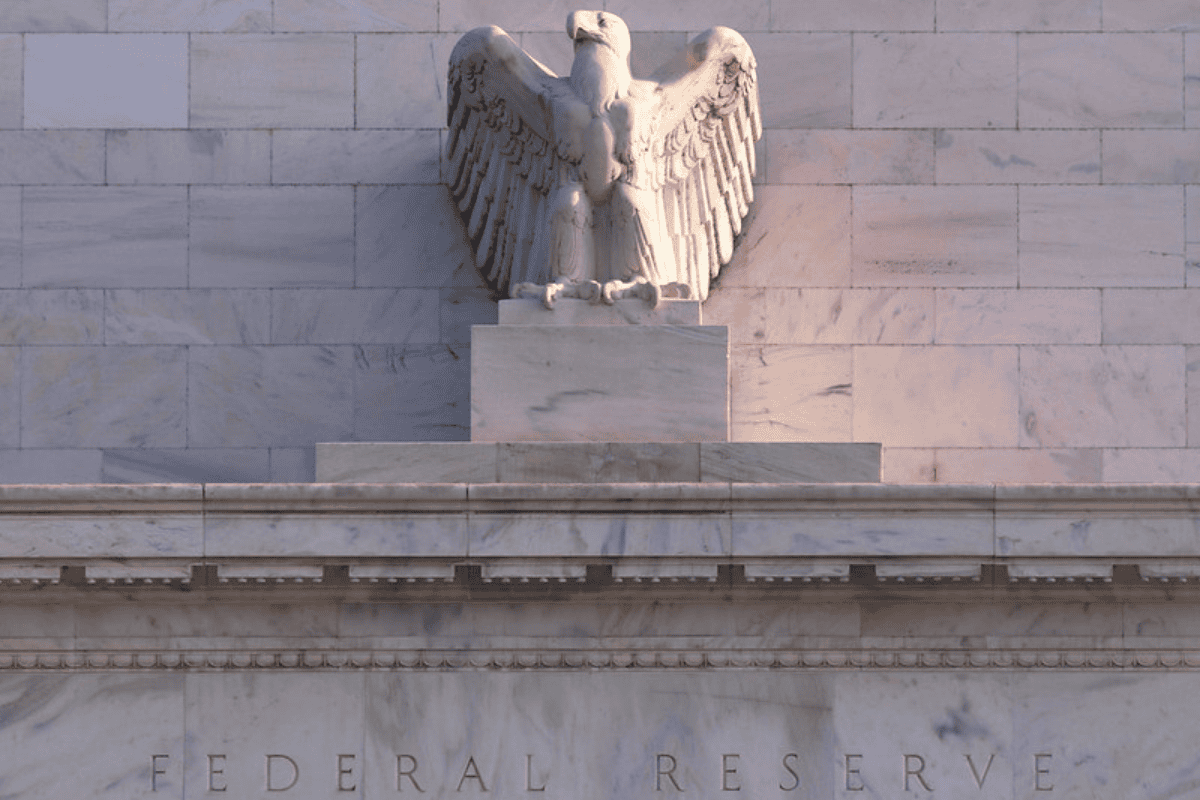
Without a doubt, the focus will be on the U.S. Federal Reserve. Its chair, Jerome Powell, reaches the end of his term in April, amid doubts about the future independence of the institution and with a member of the Federal Open Market Committee (FOMC), Lisa Cook, entangled in legal proceedings. “The Fed has many factors at play in 2026. Not only will a new chair take over, but the macroeconomic outlook remains uncertain. The labor market appears to be cooling without collapsing, while inflation remains stable,” notes Bret Kenwell, Market Analyst at eToro in the U.S., who questions whether the U.S. monetary authority “will be able to adopt a dovish tone if these factors persist in 2026, or whether its dual mandate will keep moderate measures in check.”
A similar view is held by Ray Sharma-Ong, Deputy Global Head of Bespoke Multi-Asset Solutions at Aberdeen Investments, who believes that “the Fed is between a rock and a hard place, with inflation remaining high despite a weakening labor market.” This disconnect “has widened the divisions within the Committee.”
That said, following the rate cuts in 2025 and the current context of the institution, “the Fed’s monetary policy is no longer a catalyst for the markets,” according to the expert. The reason is that with federal funds interest rates between 3.5% and 3.75%, the Committee considers that monetary policy is within the effective range of neutrality. Therefore, “the bar for new cuts is very high, implying that the monetary policy outlook is likely to remain static for some time.” As a result, with official interest rates on hold, “we no longer expect a broad-based beta rally in equities; market correlations may decrease, and fundamentals may gain greater importance.”
For Paolo Zanghieri, Senior Economist at Generali AM, part of Generali Investments, the economy continues to enjoy a solid foundation, but downside risks to employment remain more important to the FOMC than upside risks to inflation.
Now, following the December rate cut, “it can now wait for more data before deciding on the extent and pace of further rate cuts.” Here, Zanghieri‘s outlook is clear: the projected path for the official interest rate has not changed since September, with two more cuts of 25 basis points, one next year and another in 2027. “Our forecast of another rate cut next year aligns with what the Fed expects, but we believe the easing will stop there,” he notes, admitting that this forecast would only be modified in terms of timing, with a possible delay of the next cut to mid-year.
Europe
Nachu Chockalingam, Head of Credit at Federated Hermes, highlights the work done by central banks in recent years to reduce global inflation. From this point, she expects official interest rates to fall, but in general, “to remain slightly above pre-pandemic levels, especially in developed market economies.”
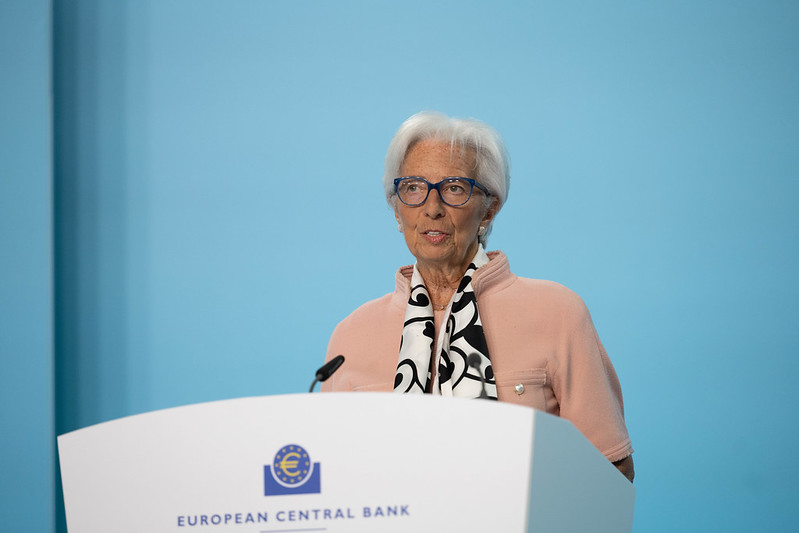
Her view is that the Federal Reserve and the Bank of England will continue cutting rates, “but the direction the European Central Bank (ECB) will take, having started to ease policy earlier, is a bit less clear.” Mainly because inflation in the eurozone is nearing the 2% target, “but the outlook remains uncertain due to global trade disputes and geopolitical tensions.”
The expert explains that short-term risks to the interest rate outlook persist, but she believes the situation would have to deteriorate significantly for the ECB to cut rates again in 2026. Some of these downside risks she mentions include any delayed adverse impact from U.S. tariffs, a stronger euro, the impact of Chinese imports, or delays in Germany’s fiscal stimulus. Political unrest in France, within the context of worsening fiscal conditions, is another potential risk, according to Chockalingam.
The Bank of England (BoE) will also generate market attention throughout 2026. David A. Meier, Economist at Julius Baer, expects two rate cuts from the BoE and a wait-and-see approach from Scandinavian monetary authorities. The BoE, the expert recalls, cut rates to 3.75% at its last meeting amid slowing inflation and weak growth but remained cautious about further easing. “We forecast two more cuts in 2026 and maintain a neutral outlook for the pound sterling,” he notes.
Meier also outlines his expectations for the Nordic central banks: Sweden’s Riksbank kept the policy rate at 1.75% at its last meeting, “with outlooks pointing to possible hikes in late 2026, supporting a bullish scenario for the Swedish krona.” Meanwhile, the Norges Bank, keeping rates at 4% due to persistent inflation, “strengthens the Norwegian krone as the highest-yielding G10 currency.”
Japan
Regarding Japan, Álvaro Peró, Fixed Income Investment Director at Capital Group, reveals that reflation continues amid positive economic growth and inflation above target. The expert explains that although the election of the new Prime Minister, Sanae Takaichi—who campaigned on a platform of fiscal stimulus, state investment, and financial repression—has raised market expectations for more flexible policy, the Bank of Japan (BoJ) has reiterated the need for further hikes in a context of yen weakness and reflationary pressures.
This view is shared by Homin Lee, Senior Macro Strategist at Lombard Odier. The expert expects interest rates in Japan to continue rising in 2026. “After having shielded Japan from deflation through years of accommodative monetary policy, we expect the BoJ to welcome signs of reflationary success with two interest rate hikes in 2026, the first likely in January,” he notes.
Latin America
Forecasts also extend to the largest Latin American economy: Brazil. At DWS, they suggest that the Central Bank of Brazil “appears willing to maintain its aggressive stance” and indicate that structural reforms, following next year’s elections, “could help unlock the country’s potential.”
This is the view of Yi Li-Hantzsche, Emerging Markets Analyst at DWS, who acknowledges that so far, Brazil’s central bank has shown an unwavering commitment to bringing inflation back to target, “despite pressure from the government and the close ties between Governor Galípolo and President Lula.” The expert believes that with a constructive electoral outcome and the prospect of credible reforms, “Brazil could finally unlock lower rates without putting its credibility at risk.”